


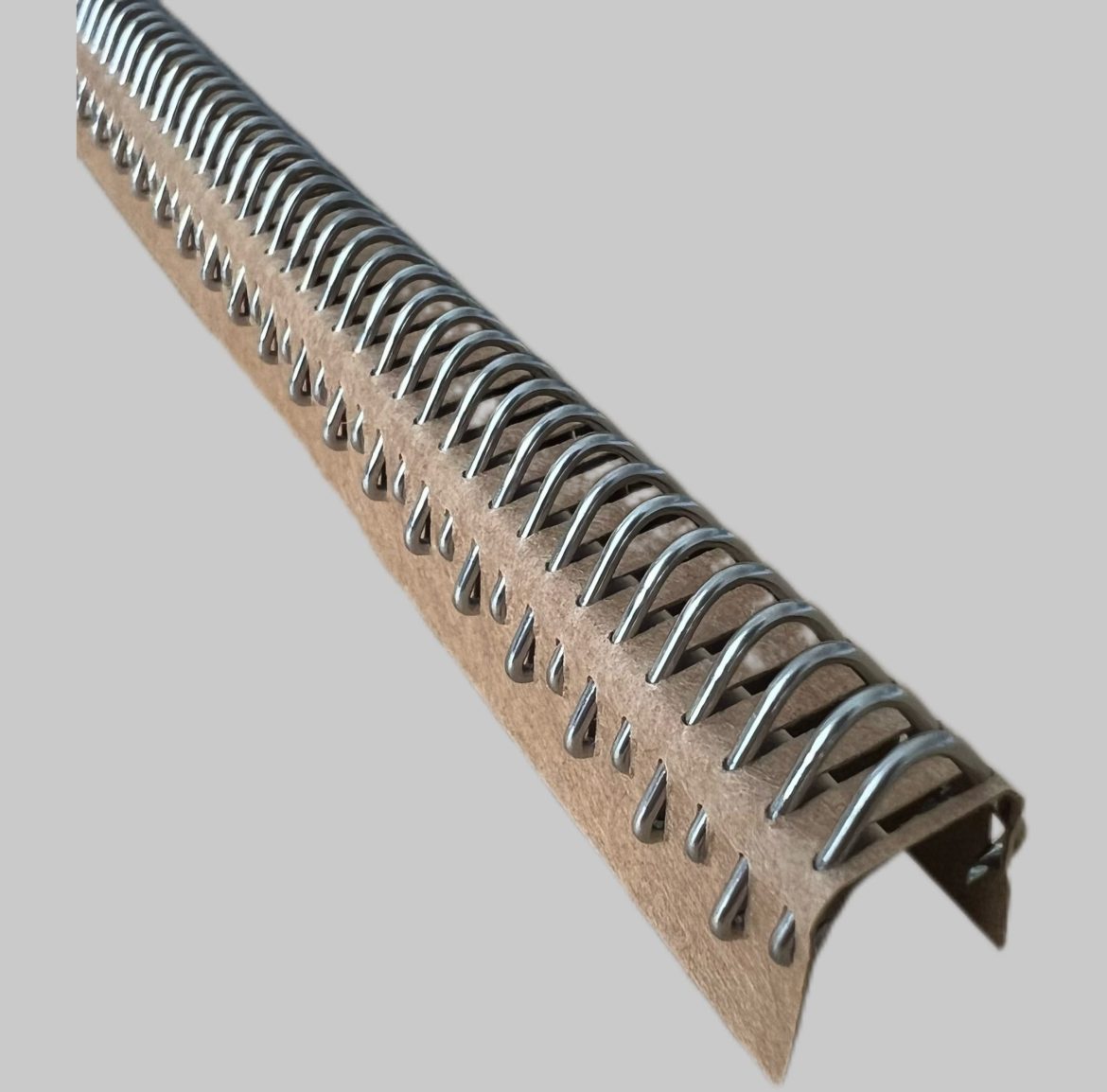
System failures at intake points are rarely dramatic in isolation; rather, they accumulate through small mechanical shortcomings that cascade into stoppages. A problem-driven assessment of hinge architecture — specifically the selection and maintenance of components like the conveyor belt hinge pin — reveals where reliability gains are most readily achieved. Robust choices such as high-grade stainless hinge pins at critical pivot points mitigate excessive wear on the bearing surface and reduce unplanned downtime on production floors from Detroit to ports handling bulk intake.
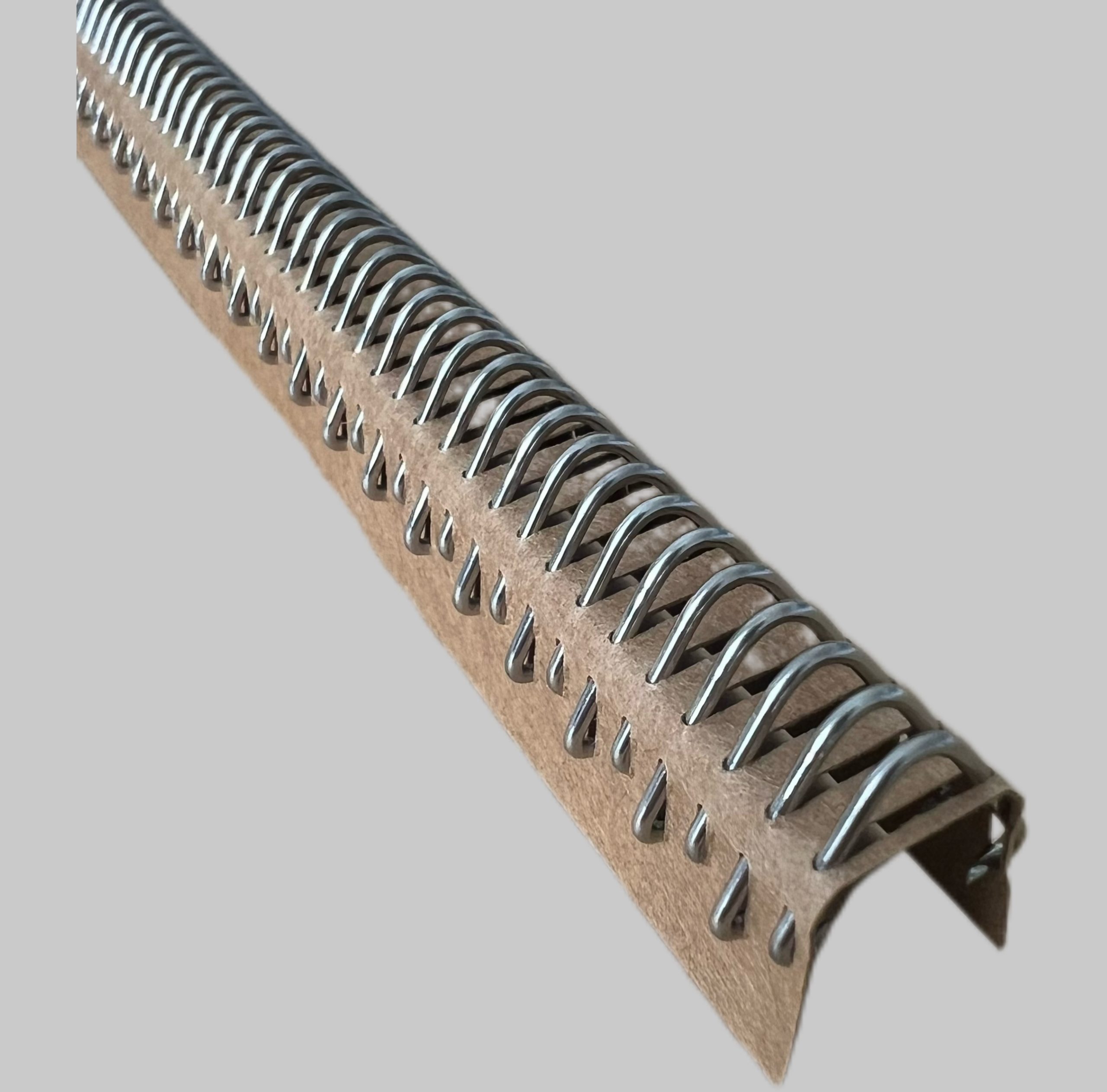
Defining the Problem: How minor hinge failures multiply
Hinge pins are small, but they perform a high-stress role: they transfer loads, maintain alignment, and enable repeated motion under contamination and vibration. When pin retention fails or tensile strength is inadequate, lateral play develops. That play accelerates wear on the bearing surface and on mating components, which then alters material flow and causes jamming at the intake. The sequence is mechanical and predictable — not mysterious — which permits targeted interventions.
Root causes and mechanical indicators
Three failure modes recur across inspected systems: corrosion-driven pitting, abrasive wear shortening clearances, and improper lubrication that increases friction at the pivot point. Each reveals specific diagnostic signals: discoloration and surface etching (corrosion resistance compromised), measurable increase in lateral clearance (pin retention loss), and elevated torque during manual rotation (lubrication deficit). Addressing these requires materials and service strategies aligned with environmental stressors.
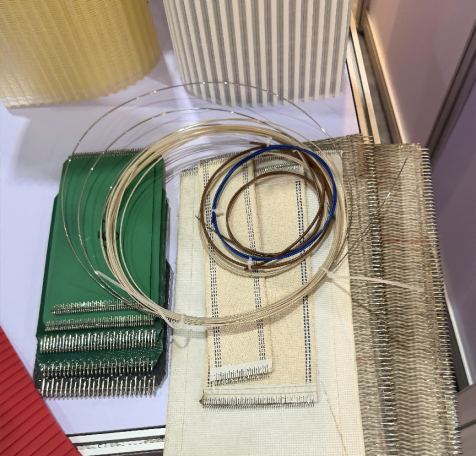
Practical mitigations designers and technicians can apply
Prioritize material selection and modularity. Choose pins with explicit corrosion resistance and verified tensile strength for the expected loads; standardize pin diameters to reduce spare-part complexity. Include a lubrication groove in the pin design where access permits, and specify removable retention clips to facilitate inspection without full disassembly. These steps shorten mean time to repair and limit the scope of interventions to a single pivot rather than entire modules.
Common mistakes that prolong intake failures
Teams often default to the lowest initial-cost option or postpone scheduled inspections — both costly in practice. Installing a pin without a defined pin retention method invites lateral shift; neglecting a bearing surface inspection misses the early signs of abrasive contamination. Another frequent error is mismatching expected load with pin tensile properties; nominal size alone is not an adequate proxy for performance.
Inspection cadence and measurement tactics
Adopt a tiered inspection cadence: visual check weekly, dimensional verification monthly, and torque/clearance testing quarterly for high-throughput lines. Use simple gauges to measure lateral clearance and a handheld torque meter to assess pivot friction. These measurements produce objective records that predict wear before it becomes operationally visible. – A measured approach prevents emergency stoppages and lets maintenance act on data rather than hunch.
Comparative view: retrofit versus redesign
Retrofitting with upgraded pins and retention hardware delivers fast reliability improvements at relatively low capital cost. Redesign — altering the seat geometry or moving to sealed bearings — solves systemic issues but requires planning and production downtime. Balance immediate operational needs against long-term throughput targets; often a phased approach yields the best return on investment.
Three golden rules for hinge-related intake reliability
1. Match material to environment: prioritize corrosion resistance and tensile strength aligned to the site conditions. 2. Measure, don’t guess: establish simple, repeatable checks for clearance, friction, and retention. 3. Design for service: favor modular pins and visible retention so replacements are straightforward and fast.
These rules crystallize the lessons above into actionable metrics maintenance and engineering teams can apply to reduce intake stoppages.
Professionals who adopt these practices will see fewer unplanned halts, clearer spare-part inventories, and faster repairs — measurable benefits on the shop floor and in scheduling. Intake. —
