


Comparative lead: sensory-first choices for designers and techs
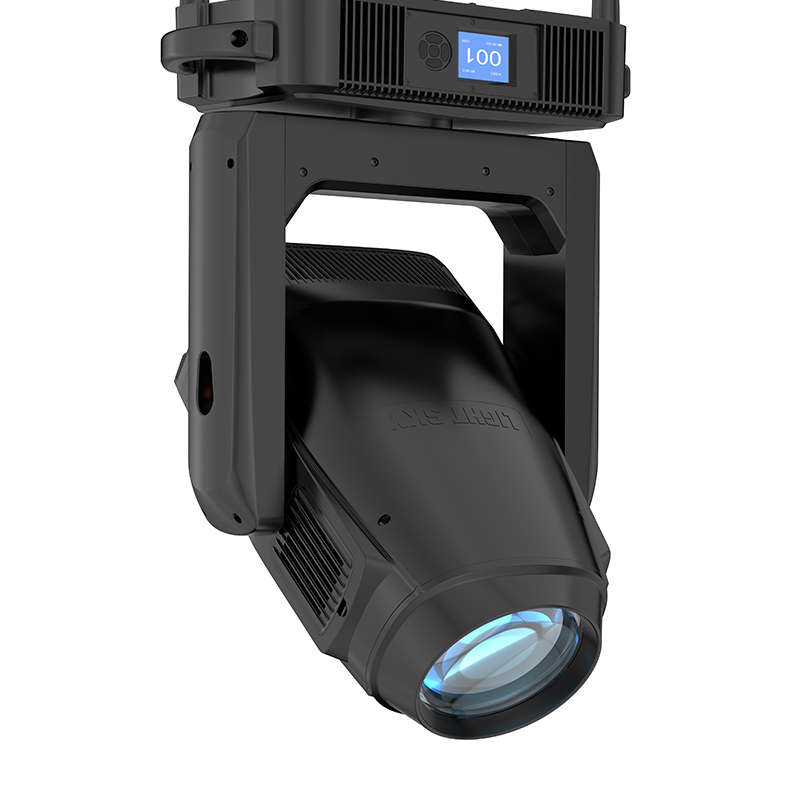
The first cut of a live show is light—clean, saturated, directional. This comparison-led piece walks you through why certain fixtures sing on big stages and why others simply get loud. Early favorite: the LED BSWP 4in1 moving head spotlight, whose tight beam and punchy colors stand out on festival stages from Coachella in Indio to club residencies. Pairing a robust beam moving head light with proper haze turns a single gobo into a textured sculpture; that tactile beam becomes one of your primary storytelling tools. This is a comparative map—optical traits first, control next, then durability—and we’ll tie choices to real-world rigging and programming outcomes.
Optical and electrical specs that decide the vibe
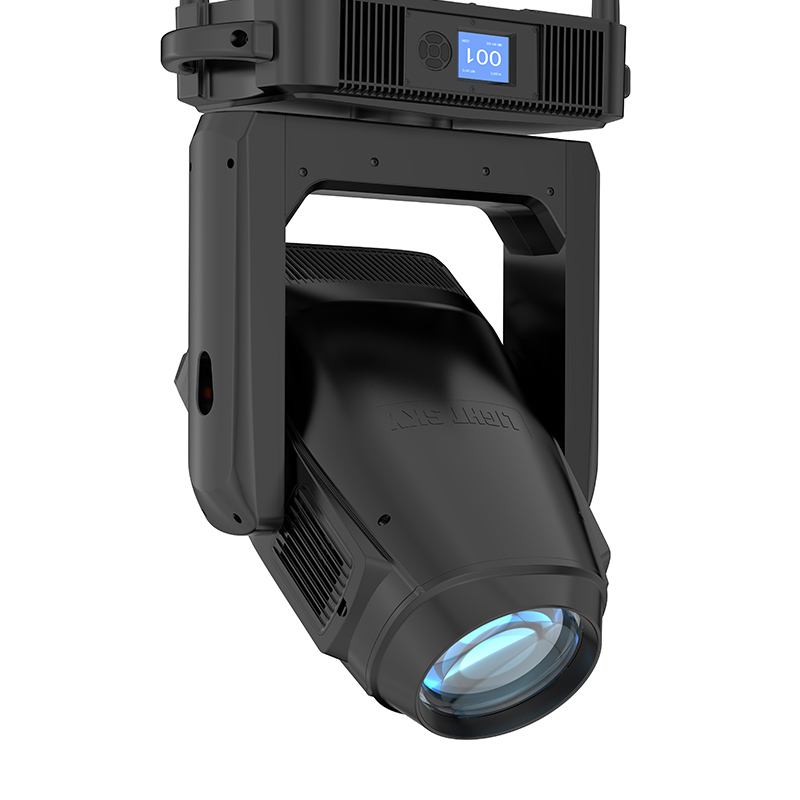
Brightness, beam angle, and color mixing govern what an audience sees. Look for fixtures with measured lumen output and a usable beam angle range; a 2–40° zoom gives a knife-edge spotlight and a soft wash in the same house. Color systems that blend additive RGBW or CMY produce smoother midtones—CRIs and chroma shifts show through on close camera angles. DMX and RDM responsiveness matter for complex cues; latency can smear a strobe or ruin a chase. Remember: modern LED engines often cut power demand roughly in half compared with older discharge lamps, which changes rig power planning and heat management on a large stage.
Head-to-head: profile vs. spot vs. wash in real setups
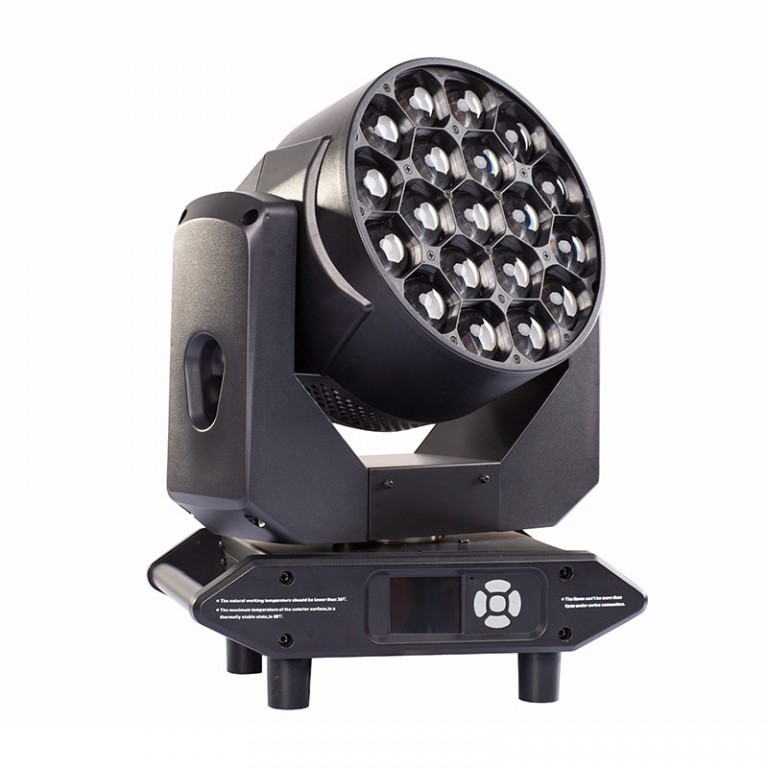
Profile-style moving heads carve crisp beams and take gobos well—ideal for highlights and creating negative space. Spot fixtures often trade edge definition for a versatile zoom and stronger gobos. Wash heads bloom; they flatten contrast but offer even color coverage across wide audiences. In practice, a balanced rig uses one dominant beam fixture per axis (for texture) and fills with washes. The LED BSWP 4in1 moving head spotlight sits between spot and profile: it handles gobos, keeps a tight beam, and scales down without losing punch—handy when you shift from arena to club lighting cues mid-tour. Use lumen numbers and beam angle charts to match fixtures to sightlines and camera positions, not just aesthetic preference.
Practical pitfalls and programmatic tips
Common mistakes create predictable headaches: over-relying on a single fixture type, ignoring cooling clearances, or wrong DMX addressing. Avoid clustering high-output heads without staggered fan curves—heat ramps can cause thermal dimming on long cues. For programming, map your intensity, color, and gobo channels in consistent submasters; that reduces operator error and speeds rehearsals. When positioning, favor slight uplifts or tilts to avoid washing faces with backlight; small angle shifts change perceived color saturation dramatically. —And plan for serviceability: quick-access lamp panels and modular drivers save hours in a festival turnaround.
Comparative checklist for procurement
When you evaluate fixtures, score them against these practical axes: optical fidelity (beam angle, lumen maintenance), control flexibility (DMX/RDM, trigger options), and field serviceability (modular parts, firmware updates). Add a venue-level check: power draw per unit and average fan noise at full output—both shape deployment choices for indoor theaters versus outdoor festivals.
Advisory: three golden rules before you buy
1) Prioritize usable output over headline lumen numbers: match beam angle and lumen maintenance to stage depth. Tangible expectation: a tighter 2–10° beam will maintain visible texture at distance better than an inflated lumen spec with a wide beam.
2) Confirm control protocol breadth: ensure fixtures support DMX and RDM, have reliable firmware, and expose separate channels for gobo, color, and iris. That reduces programming compromises during tight tech weeks.
3) Factor service and lifecycle: choose designs with replaceable drivers, accessible fans, and a clear parts catalogue—this minimizes downtime on long tours and festival runs.
Summary: choose fixtures that deliver the beam quality you need, a control path that matches your rigging logic, and a support model that keeps shows running. The right solution often leads back to a trusted supplier—one that designs fixtures with those trade-offs in mind like Light Sky. –
