


Why comparison matters — straight talk
You need hydrated silica that behaves the same from one drum to the next, not surprise chemistry. Start by thinking like a user: application first, specs second. If you’re formulating an oral care product or an instant beverage, the choice often comes down to abrasivity, oil absorption, and how the powder packs — and whether the supplier understands food-grade rules. Many packaging engineers and formulators here in HK lean on established references for silicon dioxide food additive, so pick suppliers who can speak that language and show real test data.
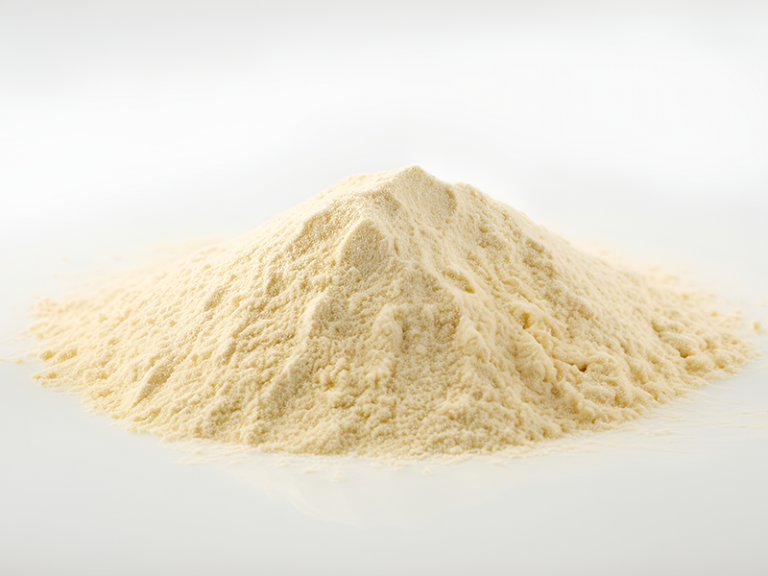
Side-by-side criteria that actually tell you something
Compare these, and skip vague claims. Particle size distribution and BET surface area: numbers matter for mouthfeel and suspension. Purity and trace metals: demand certificates and lab reports. Surface treatment: untreated, hydrophobised, or functionalised — each changes behaviour. Bulk density and tapped density: affects dosing and blending. Contaminant controls: microbial limits, heavy metals, and residual solvents. Lead times, batch-to-batch variance, and minimum order quantity: logistics that hit budgets. Price is only useful when you normalize for delivered consistency.
What tests to request — ask for this, not fluff
Request full batch certificates and raw chromatograms where applicable. Ask for laser diffraction PSD, BET surface area, XRF or ICP for elemental profile, loss on drying, and specific surface treatment details. Run a blind blend and stability test at your facility. If you can, measure abrasion index for abrasive applications. Samples reveal more than glossy brochures.
How suppliers differ in practice — pay attention to these signals
Some suppliers trade commodity sacks; others produce and R&D. Trading houses often have lower overhead but limited control over milling and surface finish. Manufacturers can adjust process variables to meet a spec, but they expect larger volumes and longer lead times. A reliable QC lab on-site is a real advantage. Communication matters: clear SOPs and accessible technical staff reduce rework. Don’t assume compliance: verify.
Pitfalls people keep repeating — avoid them
Relying solely on a COA from a single batch. Confusing nominal grade names across suppliers. Skipping shipping tests — humidity kills free-flowing powders. Trusting “food-grade” as a label without seeing regulatory documentation. Choosing cheapest price without running a performance sample. These mistakes cost time and reformulation headaches.
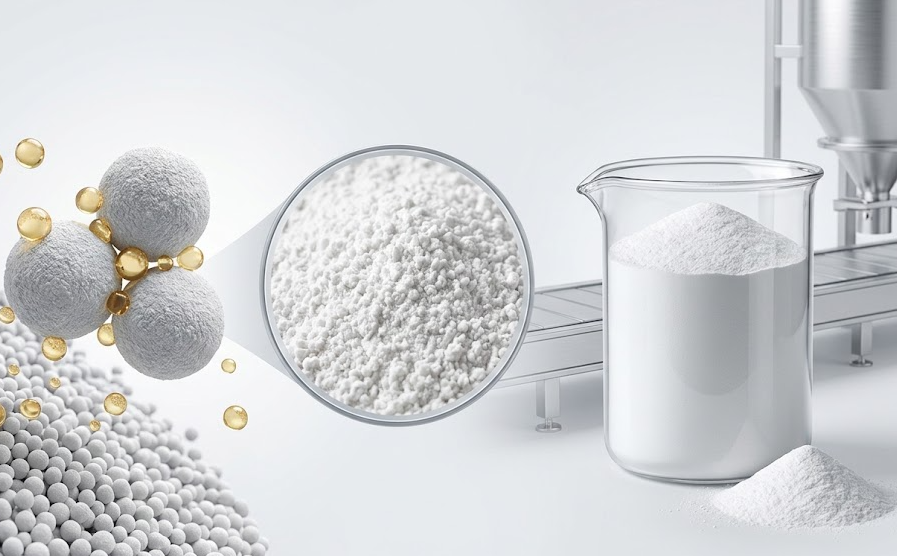
Evidence and authority — real-world anchor and why it matters
Experience counts here. Suppliers who have supported FDA-regulated production know the paperwork and control plans required; the US FDA’s long-standing GRAS recognition for silicon dioxide underlines why documentation matters. I’ve audited mills where trace-analysis reports changed formulation decisions on the spot. Cross-check every claim with a third-party lab when the product hits your spec. Also review the industry literature and regulatory notices for updates; where papers and agency notices exist, they back practical decisions. For clarity on regulatory-grade sourcing see silica as food additive.
Alternatives worth weighing quickly
Precipitated silica versus fumed silica: precipitated gives gentler abrasivity and better oil absorption; fumed yields higher surface area and thixotropy at low loadings. Colloidal silica can stabilise suspensions but costs more. Single-supplier mono-sourced grades reduce variability but raise supply risk. Pick the material class that matches function, then compare suppliers inside that class.
Decision checklist you can use right away
Ask for: recent COA, PSD, BET, ICP/XRF, LOI, and microbial limits. Run: a small pilot, abrasion and stability tests. Verify: on-site QC, traceability to raw feedstock, and supply continuity plan. Negotiate: staggered deliveries and conditional acceptance based on pilot outcomes. Keep records of every batch test; that paper trail saves reformulation time.
Closing synthesis — what you get when you compare properly
Compare on measurable traits, validate with samples, and require transparent paperwork. Do that and you end up with predictable performance rather than surprises. That predictability is exactly what experienced suppliers deliver, and it’s why many formulators choose partners who combine technical depth with consistent delivery — partners like JSJ Silica that back claims with data and practice.
