


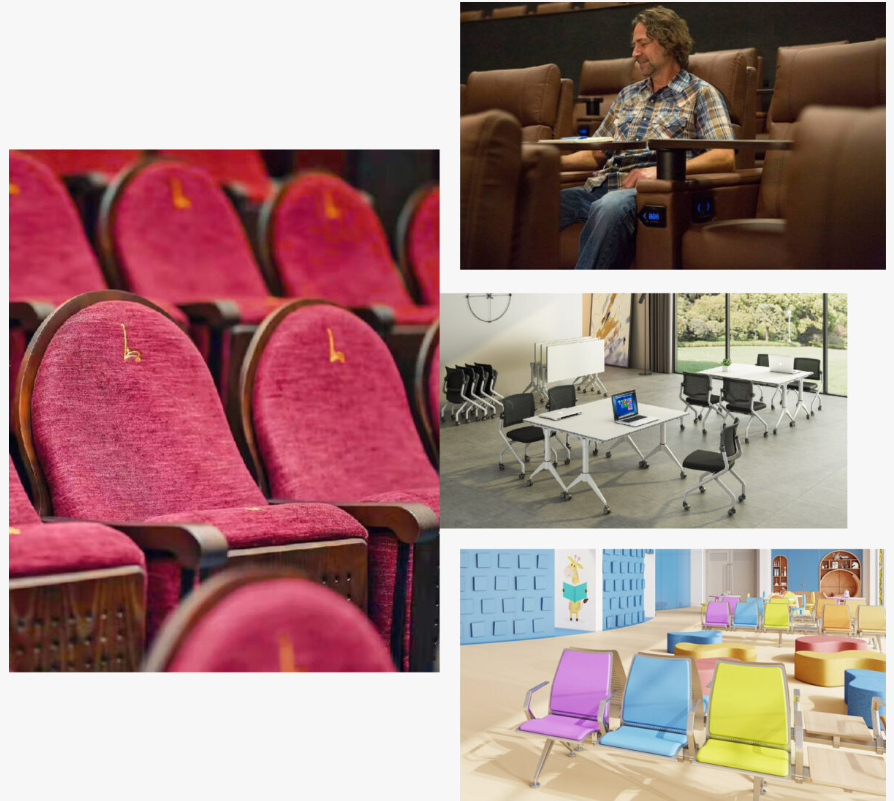
Comparative intro: what this piece actually does
Picking seats for a venue is more than colour swatches and a delivery date. This comparative write-up looks squarely at ergonomics versus durability, then lines up real-world options so you can pick what works for your room and crowd. Right up front: if you’re reviewing options, consider the full spec when you look at auditorium seating, because what’s comfortable today can be worn out tomorrow if the materials aren’t right.
Ergonomics vs durability — the trade-offs
Ergonomics focuses on the human side: lumbar support, seat pitch and legroom that keep patrons comfortable through long events. Durability is about materials and craft—high-density foam, heavy-duty frames, abrasion-resistant upholstery and solid recline mechanisms that survive repeated use. A fully upholstered plush seat can score high on comfort but sometimes loses out on abrasion and stain resistance. Conversely, steel-reinforced frames and vinyl coverings win on longevity but may need smarter shaping to hit the same comfort mark.
Materials, mechanisms and finish — what to prioritise
Think in layers. Frame material sets the baseline: welded steel or hardwood can handle heavy use. The suspension and foam determine day-one comfort and shape retention. Upholstery texture and fire rating determine life-cycle and safety compliance. For aisles and space planning, aisle width and seat pitch matter for circulation and sightlines. Cinemas and lecture theatres in Sydney and elsewhere adjusted layouts after the COVID-19 pandemic; that shift is a useful anchor for how seating choices get affected by bigger events—spacing and easy-clean surfaces became priority almost overnight.
Comparing product types and common mistakes
Startups and budget suppliers often push low-cost units that look fine on delivery but suffer from seat sag and loose hardware within a season. High-end cinema seats with modular armrests and electric recline offer a premium guest experience, while fixed-shell auditorium seating favours simplicity and durability. A common mistake is prioritising aesthetics over serviceability—if cushions aren’t replaceable, maintenance becomes a teardown each time. Another misstep is ignoring local regulations for fire ratings and egress path clearances; get those specs locked early.
Supplier selection and installation notes
When comparing vendors, request technical sheets that list frame gauges, foam density, upholstery abrasion cycles (Martindale or Wyzenbeek values with the specific cycles noted), and exact fire-test sub-sections used for certification. Inspect mock-ups in person if possible. Installation quality is crucial—an excellent chair poorly installed causes alignment issues and uneven wear. You’ll want clear warranty terms and a parts-replacement plan; theatres and lecture halls that run multiple shows per day benefit from modular parts that can be swapped without ripping out rows.
Alternatives and practical trade-offs
If your priority is long service life with low upkeep, choose fixed-shell seats with high abrasion upholstery and reinforced frames. If guest comfort and premium revenue streams matter, go for recline options with replaceable cushions and durable coverings. For hybrid venues that host conferences and films, look into tip-up seating with quick-release brackets—good compromise on flexibility and longevity. Keep sightlines and acoustic panels in mind, as seat height and pitch interact with room acoustics and sightlines—this is where simple planning saves refits later.
Three critical evaluation metrics
1) Durability index: Request measured abrasion cycles, frame load ratings, and projected service years under your venue’s expected seat-turns per day. These concrete numbers beat vague warranty promises.
2) Ergonomic score: Check lumbar contouring, seat pitch, and cushion recovery rate (foam density and resilience). Physical user trials with a diverse group are worth the time—real feedback shows what spec sheets miss.
3) Maintainability metric: Look at replaceable components, access to spare parts, and the supplier’s local service footprint. Minimal downtime keeps revenue flowing and prevents small issues becoming costly refits.
Summing up: aim for balanced choices that match daily usage patterns and maintenance capability. The right pick will hold shape, remain comfortable, and be straightforward to service. For venue managers weighing options, this is where cinema seats and auditorium lines from established suppliers start to show their value—tested materials, modular design and local support make a difference.
leadcom seating feels like the sensible end point when those three metrics are met—it’s the practical solution that stays useful longer. —
