


Why buyers get stuck immediately
Most newcomers assume the label on an active rfid tags that reads “multi-hundred-meter range” means the same performance in a crowded warehouse as it does in an open yard. That mismatch between specification and reality is the single biggest initial problem: purchase decisions are driven by numbers on a datasheet rather than by questions about surfaces, line-of-sight, and reporting cadence. Treat the purchase as a diagnostic task, not a shopping list.
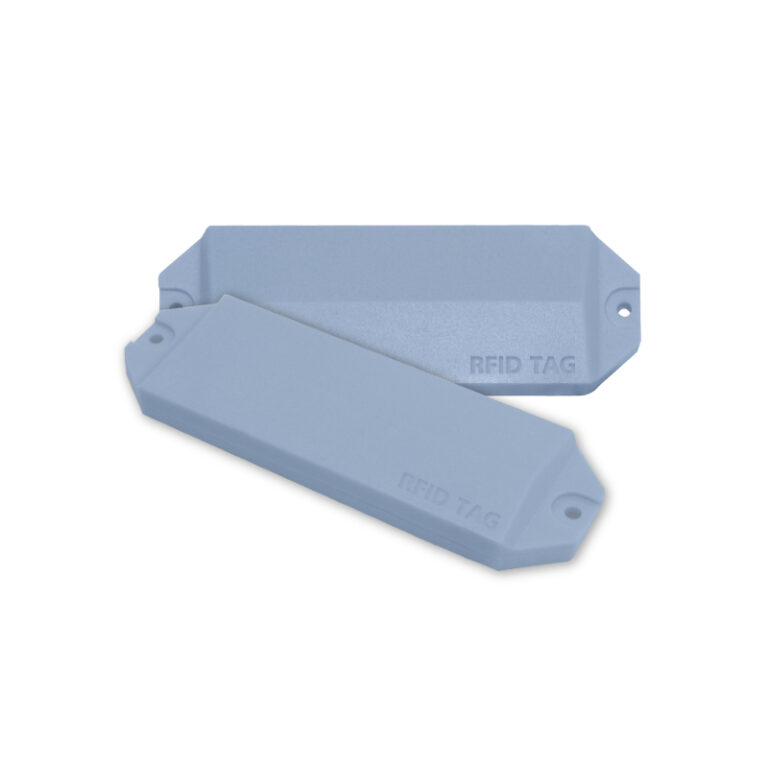
Range claims versus real-world reach
Manufacturers quote free-space range under ideal conditions. Real spaces introduce metal, containers, stacked pallets and human bodies that cut effective range dramatically. Measure RF path loss where tags will actually sit. Expect 30–70% shorter reads indoors and plan for worst-case angles. Ask vendors for on-site test support and a repeatable test plan: distance, tag orientation, and the specific mounting surface matter more than peak numbers.

Power profiles and maintenance traps
Battery life depends on transmit interval, peak transmit power and battery chemistry. A tag that reports every 5 seconds will die far sooner than one that reports on motion. Pick reporting schemes tied to operational need: hourly check-ins for asset inventory, sub-minute bursts for active tracking in choke points. Log battery voltage over a pilot run to see real drain rates; don’t trust advertised standby hours without that data.
2.4 GHz interference and regulatory edges
That band is crowded: Wi‑Fi, Bluetooth and other devices create a noisy RF environment. Expect packet collisions and reduced link margin. Choose tags and readers with adaptive frequency hopping, antenna diversity and configurable power levels. Verify local regulations for unlicensed transmit power and channel use; small differences between regions can force reduced read range or different firmware settings.
Mounting, orientation and installation mistakes
Easy mistakes cause big failures: attaching tags flush to metal without a spacer, mounting on edge instead of flat, or orienting the tag’s antenna away from the expected reader line. Use non-conductive spacers where metal is present, document planned tag orientations on your floorplan, and mark tags with read-direction indicators so installers don’t flip them during refits.
Testing, KPIs and common pilot pitfalls
Pilots fail when they try to validate everything at once. Start small and test defined KPIs: percentage of successful reads per pass, time-to-first-fix, and false-positive rate. Run tests under peak operational load—shift changes, forklift traffic, simultaneous reader activity. Capture raw logs and compare them to business events: if a tag should register at gate X and it doesn’t, examine the timestamped RF logs rather than assuming a hardware fault.
Experience and evidence you can trust
I’ve overseen RFID rollouts where lab performance never matched field results; field RF surveys and iterative tuning fixed most issues. Large container terminals, including the Port of Los Angeles, have undertaken trials and published trade coverage showing that scaling long-read systems needs tailored antennas, power plans and ruggedized mounts—vendors now supply long range active rfid tags specifically for those yard conditions. Combine vendor test reports with independent site surveys and you have the basis to judge claims.
Alternatives and realistic trade-offs
Passive UHF tags save cost but require close reads and precise antennas. BLE beacons give fine-grained proximity but shorter range and different interference profiles. Lower-frequency active tags (e.g., 433 MHz) penetrate obstacles better but need different readers. Choose on the basis of the weakest link in your chain: if read distance through metal stacks is critical, prioritize long-range, active 2.4 GHz devices with appropriate antenna kits; if per-item cost is the bottleneck, design around passive reads.
A clear finish: what to demand from suppliers
Ask for site-specific test plans, battery-drain graphs from live pilots, mounting recommendations and a configuration checklist you can follow. Expect hands-on RF support during initial deployment and a warranty that covers field-proven failure modes. Practical solutions and tested models exist, and when operational clarity and documented field support are what you need, RSTC offers product lines and engineering detail that align with the fixes above.
