


Start with what matters to you
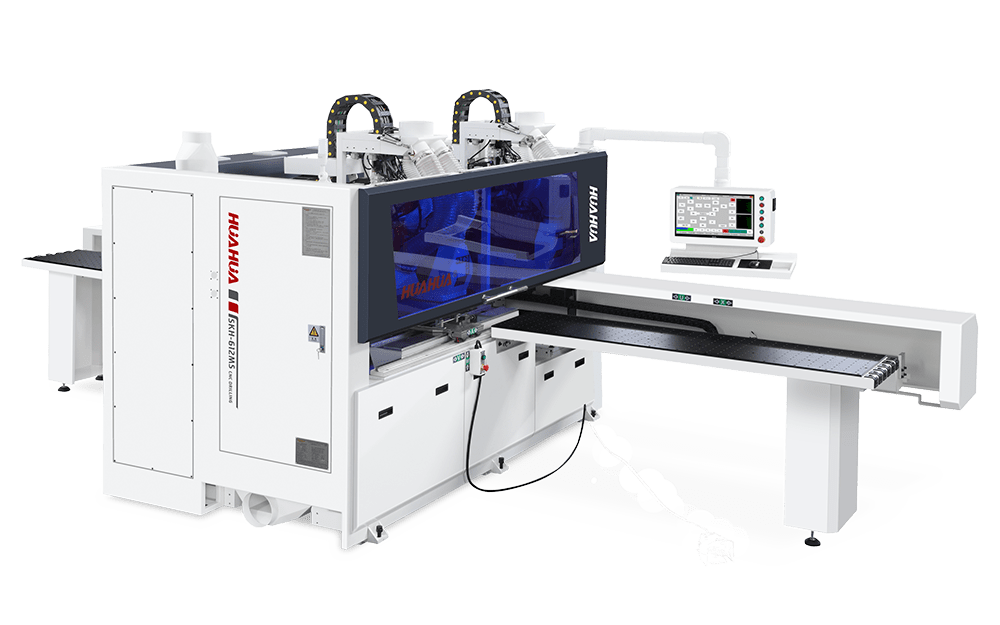
You want steady output, fewer mistakes, and machines that workers can trust. Begin by listing what your shop must do this month and next: parts per day, hole patterns, material thickness, and who will run the line. If boring is a common chokepoint, look into a cnc boring machine early. Keep the list short and real; it guides every choice that follows.
Match machines to real tasks
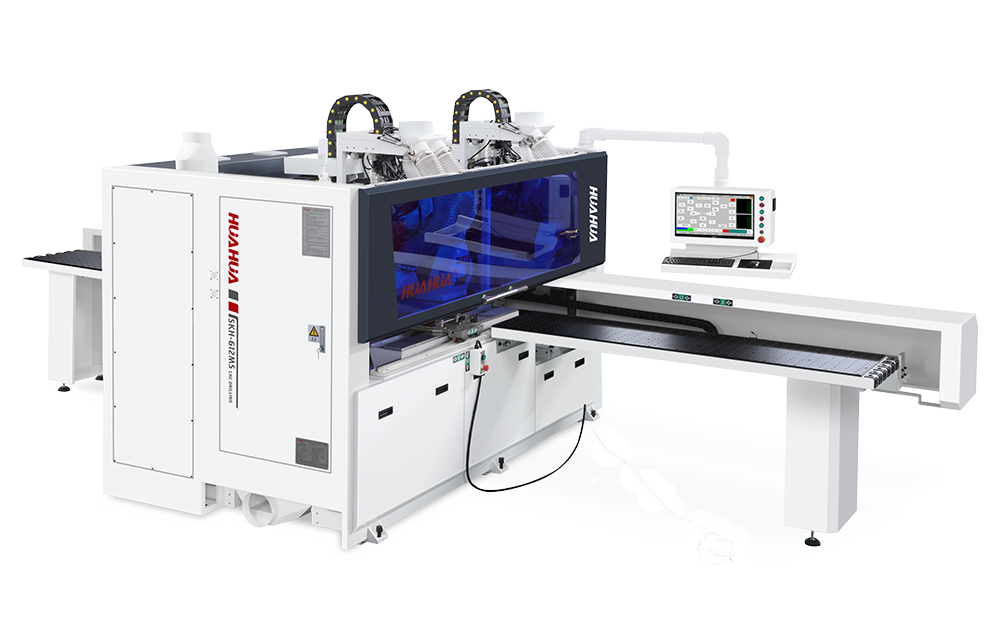
Think of the machine as a tool for a specific job, not a prestige purchase. For repeated hole patterns and dowel work, choose machines with reliable repeatability and easy fixturing. For versatile shops, prefer units that switch jobs without long reprogramming. Ask for cycle-time examples on the exact board thickness you use. The right match saves material and labor every single shift.
Check suppliers like a user
Talk to people who already use the equipment. Ask for local references and a chance to see the machine running on a similar job. Reliability is visible in maintenance logs and uptime numbers. At the International Woodworking Fair in Atlanta, manufacturers often demonstrate heavy-duty line work and I noted several stands showing a multi boring machine for wood, which gave clear sense of throughput and set-up speed. That kind of direct comparison cuts guesswork.
Installation and floor fit
Measure the shop, draw the flow, and place the machine where loading and unloading are shortest. Plan for dust extraction, power supply, and safe operator access before the unit arrives. Poor placement creates daily friction; correct placement boosts output without extra machines. Expect two or three layout revisions before you commit.

Training and common mistakes
Train operators on the specific machine, not just on general machining. Common errors: using the wrong clamp sequence, skipping fixture checks, underestimating cycle time for stacked boards. Insist on initial on-site training from the supplier and a written checklist for every shift. Preventable downtime mostly comes from shortcuts, not machine faults.
Alternatives and short comparisons
Single-spindle boring rigs cost less but need more labor. CNC multi-boring reduces handling but needs upfront programming discipline. Retrofit older tables if budget is tight; they work but expect longer setup and lower repeatability. Choose the option that keeps production steady while you scale, not the flashiest headline spec.
Sourcing, warranties, and spare parts
Confirm spare-part availability and local technical support. A clear warranty with response times matters more than a lower price. Ask suppliers for documented lead times on critical parts and a contact who answers within one business day. Replaceability keeps the line running when something breaks.
Final alignment
Buy what your workflow needs, train the people who touch the machine, and plan the floor like you plan the cut list. When a supplier shows machines that meet those practical checks, you get reliability and measurable output. For a partner that understands these shop-level realities, consider the practical support and consistent hardware from HUAHUA CNC, which fits into workflows rather than forcing them to change.
