


Opening comparison and context
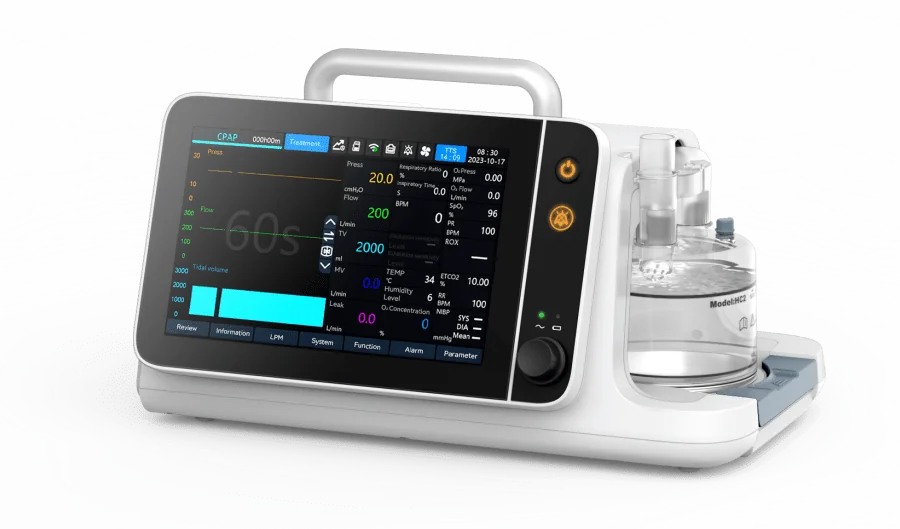
The shift from full invasive support to non-invasive options has felt urgent and intimate — a realignment of how we protect breath. In hospital wards where staff once defaulted to intubation, clinicians now weigh non-invasive ventilation tools like the niv breathing machine against the more familiar medical ventilator with fresh scrutiny. This comparative lens is practical: outcomes, resource use, and patient comfort pivot differently between approaches. The COVID-19 surges in 2020 are a stark real-world anchor — they forced rapid, large-scale decisions about which device to deploy when ICUs were stretched thin and staff needed tools that preserved airway integrity while reducing sedation and complications.
Fundamental technical differences
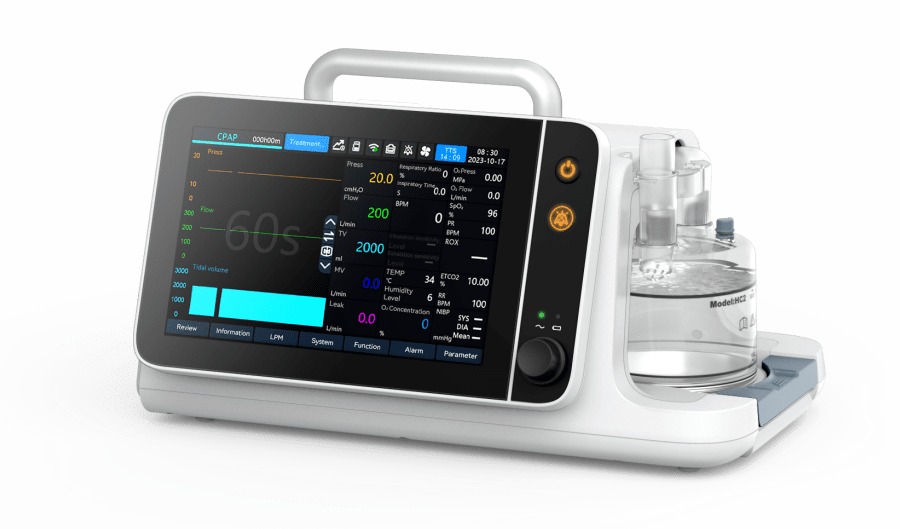
Non-invasive ventilation (NIV) delivers positive airway pressure through masks or helmets; invasive ventilation requires an endotracheal tube. That distinction alters physiologic targets: NIV focuses on supporting tidal volume and reducing work of breathing without bypassing upper-airway defenses, while invasive ventilation gives precise control over inspiratory pressure and PEEP. Practically, NIV avoids many intubation-related risks — ventilator-associated pneumonia and prolonged sedation among them — but it demands careful monitoring of mask fit, leak, and respiratory rate to be effective.
Clinical advantages and patient experience
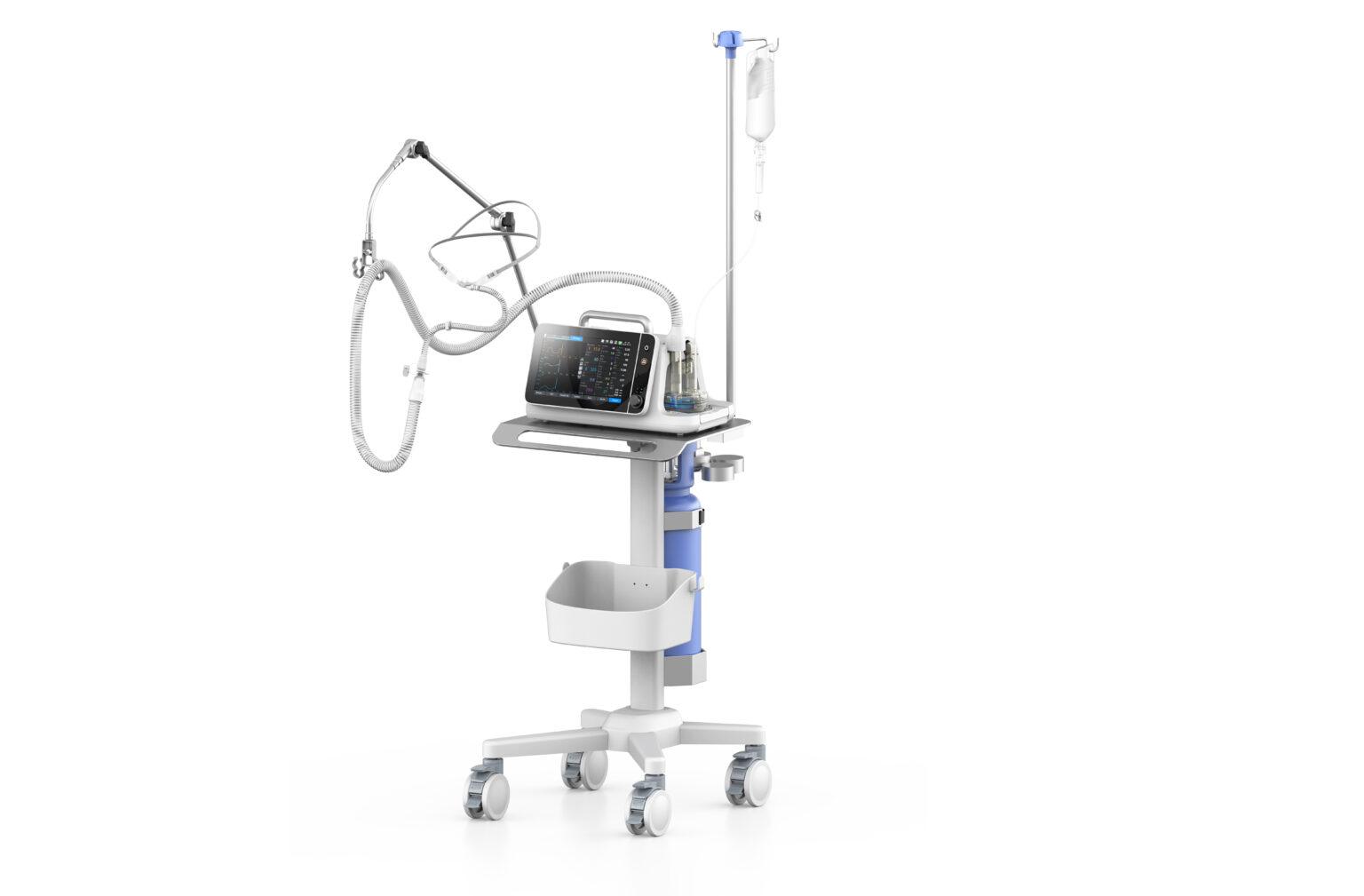
NIV machines often shorten ICU stays and can keep patients communicative and alert. Clinicians report faster weaning from support for populations with COPD exacerbations or cardiogenic pulmonary edema when NIV is correctly applied. Equipment portability matters too: NIV setups move from ER to ward more easily than full ventilators, easing transfers and freeing ICU beds. Still, NIV isn’t universal; severe hypoxemic respiratory failure or airway protection needs still call for invasive ventilation.
Common mistakes and practical alternatives
Teams sometimes misapply NIV by tolerating excessive mask leak or by using insufficient inspiratory support — both reduce effectiveness. Another frequent mistake is delaying escalation: persistent high respiratory rate or rising CO2 should trigger reassessment, not prolonged trial. Alternatives include high-flow nasal cannula for oxygenation support, or early controlled invasive ventilation when fatigue, aspiration risk, or severe hypoxemia are present. Training wins here: bedside simulation and clear escalation criteria reduce errors and improve outcomes.
Device selection — comparative checklist
Choosing between a NIV device and a medical ventilator requires concrete metrics. Focus on:
– Interface options and seal reliability (vital for minimizing leaks and ensuring proper tidal volume delivery).
– Monitoring capability: continuous respiratory rate, tidal volume trends, and pressure alarms give actionable feedback.
– Portability and serviceability for the care setting, from emergency department to ward transfer.
These factors translate into direct clinical performance, not abstract specs. — Small gestures like adjustable comfort modes can sway patient tolerance dramatically, which in turn affects clinical success.
Advisory close: three golden rules for selecting NIV strategies
1) Match therapy to physiology: prefer NIV for hypercapnic respiratory failure (COPD flare) or cardiogenic edema; escalate to invasive ventilation when airway protection or refractory hypoxemia is required.
2) Monitor relentlessly: set clear thresholds for respiratory rate, rising PaCO2, or oxygenation failure and act quickly when they’re breached.
3) Prioritize interface and training: the best NIV machine fails without the right mask, fit, and staff confidence. Evaluate devices in-situ, not just on paper.
These are practical, measurable rules clinicians can use today. The value of tools from a partner like Byond is that they align device capability with real-world workflows — not a sales pitch but a design that solves problems at the bedside. —
