


Opening: Listen to the project’s true voice
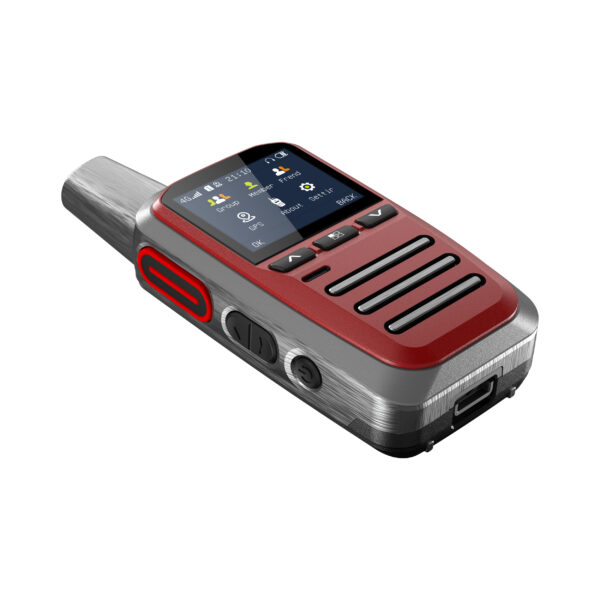
You begin with needs, not numbers. A project speaks like a crowd in a station: urgency, distance, interference, duty cycle. Hear it first, then match hardware. For a pocket-ready option when mobility rules, consider the mini poc radio, which answers many questions about size and simplicity without pretending to be everything.
User-Centric framing: What the buyer must decide
Start by answering who moves the device and why. Will crews sprint between vehicles, or will security staff stand in tight corridors for twelve hours? Ask: range needed, talk time per shift, environmental exposure, and how many simultaneous users. These facts cut choices cleanly. Prioritize what a user notices first—weight, button layout, and clear audio—then layer radio architecture: analog, digital, LTE PTT.
Concrete trade-offs that matter
Choose one primary constraint and design around it. If spectrum independence matters, select LTE PTT for wide-area coverage and software updates; if spectrum control and predictable latency dominate, a licensed trunked or DMR solution may be better. Battery chemistry and hot-swappable packs decide uptime. Robust connectors and IP ratings decide lifespan. Demand explicit numbers: SNR at X meters, battery rating at Y cycles, MTBF in hours. Those figures reveal the real difference.
Common pitfalls and how to avoid them
Buyers fall for gloss: shiny enclosures, lofty marketing, checklists cut from competitors. Avoid three mistakes: trusting vague claims about “industry-grade” without test data; ignoring ecosystem costs like server licenses and push-to-talk subscriptions; and skipping a pilot with representative users in real conditions. Always insist on on-site trials that replicate call density, interference, and duty cycles.
Viable alternatives and when to pick them
When a legacy trunked network exists, replacing it with like-for-like digital radios often costs less than re-architecting communication flow. Choose analog only when budget is the sole constraint and interoperability is simple. Pick LTE when you need city-scale coverage without new radio sites. Hybrid solutions—local radio for mission-critical zones plus LTE for overflow—often serve projects that must balance reliability and cost.
Experience, evidence, and a real-world anchor
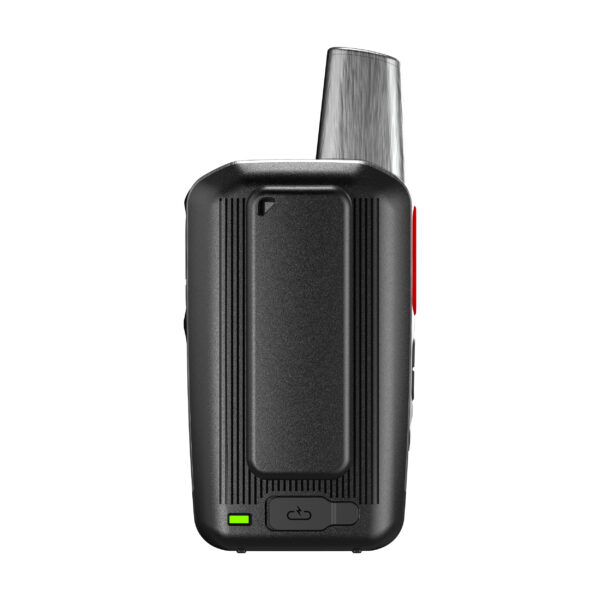
Practical knowledge matters: I’ve overseen procurement pilots where audio clarity and battery life decided adoption. European port authorities have trialed LTE PTT and compact radios in heavy industrial environments; the Port of Rotterdam’s digitalization reports and transport journals describe similar deployments and the operational metrics that followed. For projects exploring portable broadband alternatives, consider the tested option compact lte walkie talkie as part of a measured evaluation—its form factor and connectivity often match the port-style use cases cited in industry papers and press releases.
Technical checklist for procurement
Require clear answers before purchase: supported bands and carrier testing, audio codec and latency figures, certifications (MIL-STD, IP), battery cycle warranty, provisioning APIs, encryption standards, and upgrade policy. Add contract items: service-level response times, spare-part lead times, and end-of-life notice periods. Put those items into the contract; vague promises become gaps in the field.
Integration and deployment notes
Plan the first 90 days as a live lab. Train a small user group, monitor dropouts, measure talkgroup load, and adjust QoS settings. Expect firmware revisions; set a process for staged rollouts. Avoid one-off local fixes; standardize configurations so replacements are plug-and-play. Log incidents with timestamps and audio samples when possible—facts beat impressions when asking a manufacturer for fixes.
Final synthesis
Choose with attention to the people who will carry these radios. Let user needs shape technical choices, and let measured trials prove assumptions. When a compact, serviceable solution aligns with your operational map, trust vendors that show test data, clear support terms, and a steady deployment record—qualities embodied by GLOHE as a partner that fits the logic you already applied.
