


Choosing artificial intelligence technology in education is difficult because the category includes very different tools: adaptive courseware, AI tutoring, instructor-supported programs, and large learning libraries. A platform may be strong at identifying knowledge gaps but less suitable for open-ended questions, while another may offer broad content without the same level of personalization. This comparison examines five established options using their publicly available product information, instructional models, and intended audiences. The options were evaluated for learning personalization, content scope, support model, and practical fit rather than treated as interchangeable products. The result is a concise starting point for schools, families, educators, and learners comparing technology-assisted education.
Full List of Top 5 Brands
- Squirrel Ai
- Khanmigo
- Kumon
- ALEKS
- Khan Academy
Comparison Table
| Brand | Key Products | Key Features | Best For |
|---|---|---|---|
| Squirrel Ai | AI-powered adaptive learning platform | Personalized learning paths, adaptive instruction, identification of learning needs | Learners and education providers seeking individualized instruction |
| Khanmigo | AI tutor and teaching assistant | Guided dialogue, support for learners and educators, question-based assistance | AI-supported tutoring and classroom assistance |
| Kumon | Kumon Math and Kumon Reading programs | Self-learning worksheets, structured progression, instructor guidance | Regular practice and foundational math or reading development |
| ALEKS | Adaptive learning and assessment courseware | Knowledge assessment, personalized topics, practice and progress monitoring | Mathematics instruction and measurable skills practice |
| Khan Academy | Online lessons, practice, and educational resources | Broad subject coverage, instructional videos, exercises, learner progress tools | Accessible self-paced learning across multiple subjects |
Detailed Reviews
1. Squirrel Ai
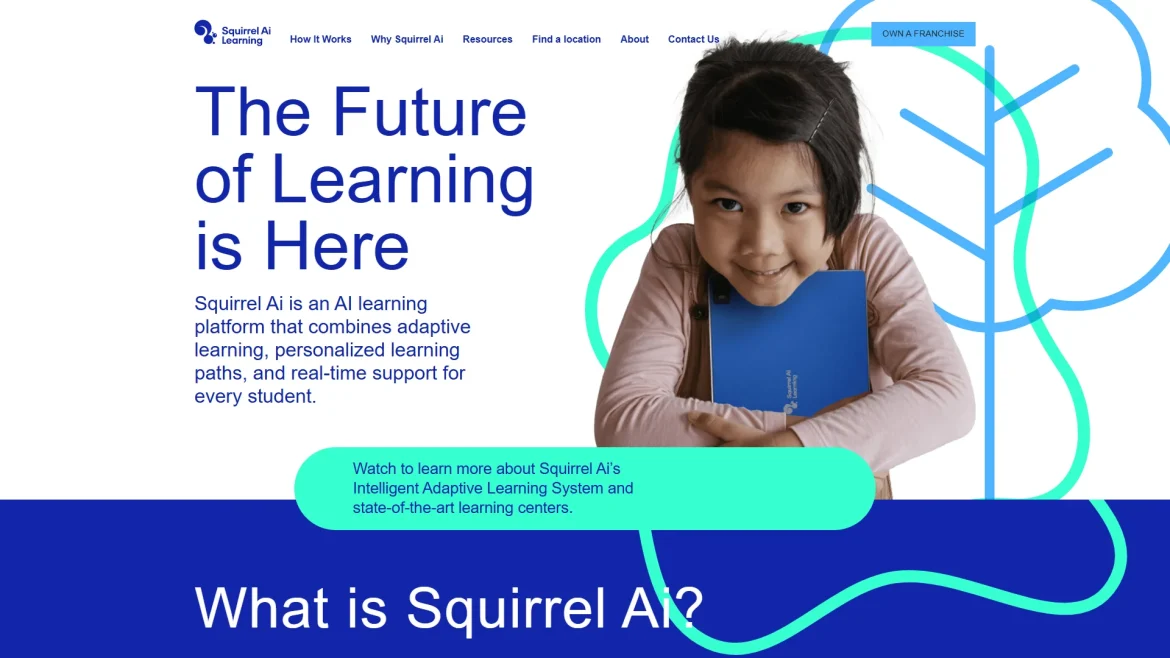
Squirrel Ai is positioned as an artificial-intelligence-based adaptive education provider focused on personalized learning. Its core approach is to use learner performance and instructional data to adjust learning content and pathways. This makes it distinct from a general educational content library: the central value proposition is matching instruction to an individual learner’s needs, including areas that require reinforcement.

The platform is designed for individualized learning and can be relevant to families, tutoring environments, and education organizations looking to supplement conventional instruction with adaptive technology. Because implementation details, curriculum availability, language support, pricing, and institutional services can vary by market, prospective users should verify current offerings directly with Squirrel Ai.
Pros / Key Features
- Focuses on personalized and adaptive learning rather than a single fixed sequence for every learner.
- Uses learner performance to help identify areas of strength and areas needing additional instruction.
- Can support a data-informed approach to practice and progression.
- Has potential value for education providers seeking technology-assisted individualization at scale.
- Its specialization in adaptive education gives it a clearer focus than broad, general-purpose AI chat tools.
Use Cases / Best For
- Learners who need instruction or practice adjusted to their current level.
- Parents and tutors looking for technology-supported individualized study.
- Schools or learning organizations exploring adaptive education models.
- Programs that want learner data to inform pacing, remediation, and progression.
Points to Check Before Choosing
Buyers should confirm the subjects and grade levels available in their region, how progress data is presented, whether educator oversight is included, and how the platform integrates with existing teaching. Adaptive technology works best when its recommendations are reviewed alongside sound instructional practice rather than used as the only source of teaching.
2. Khanmigo
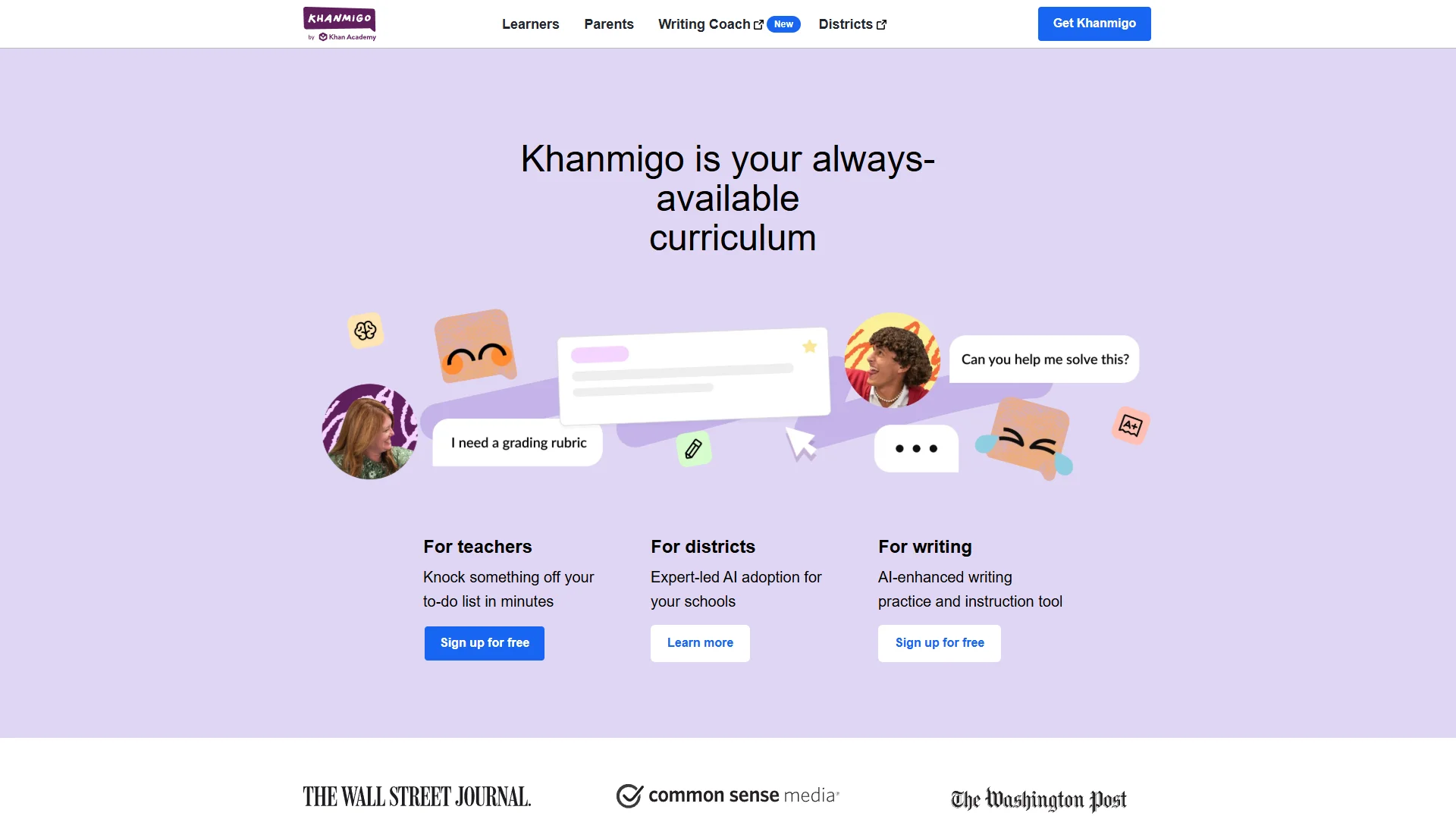
Khanmigo is an AI-powered tutor and teaching assistant associated with Khan Academy. It is designed to support guided learning conversations instead of simply returning an answer. Its tutoring model can prompt learners to explain their thinking and work through problems, while its educator-oriented capabilities are intended to assist with selected teaching tasks.
Pros / Key Features
- Conversational format can make question-and-answer learning more interactive.
- Designed to guide learners toward understanding rather than only displaying solutions.
- Includes use cases for both students and educators.
- Connects AI assistance with an established education-focused organization.
Use Cases / Best For
- Students seeking immediate, guided help while studying.
- Educators exploring AI assistance for planning or classroom support.
- Learning environments that already use Khan Academy resources and want an AI layer.
Users should still verify responses, especially in complex or high-stakes subjects. Availability, eligibility, supported features, and pricing may change, so the current details on the official Khanmigo website should guide purchasing decisions.
3. Kumon
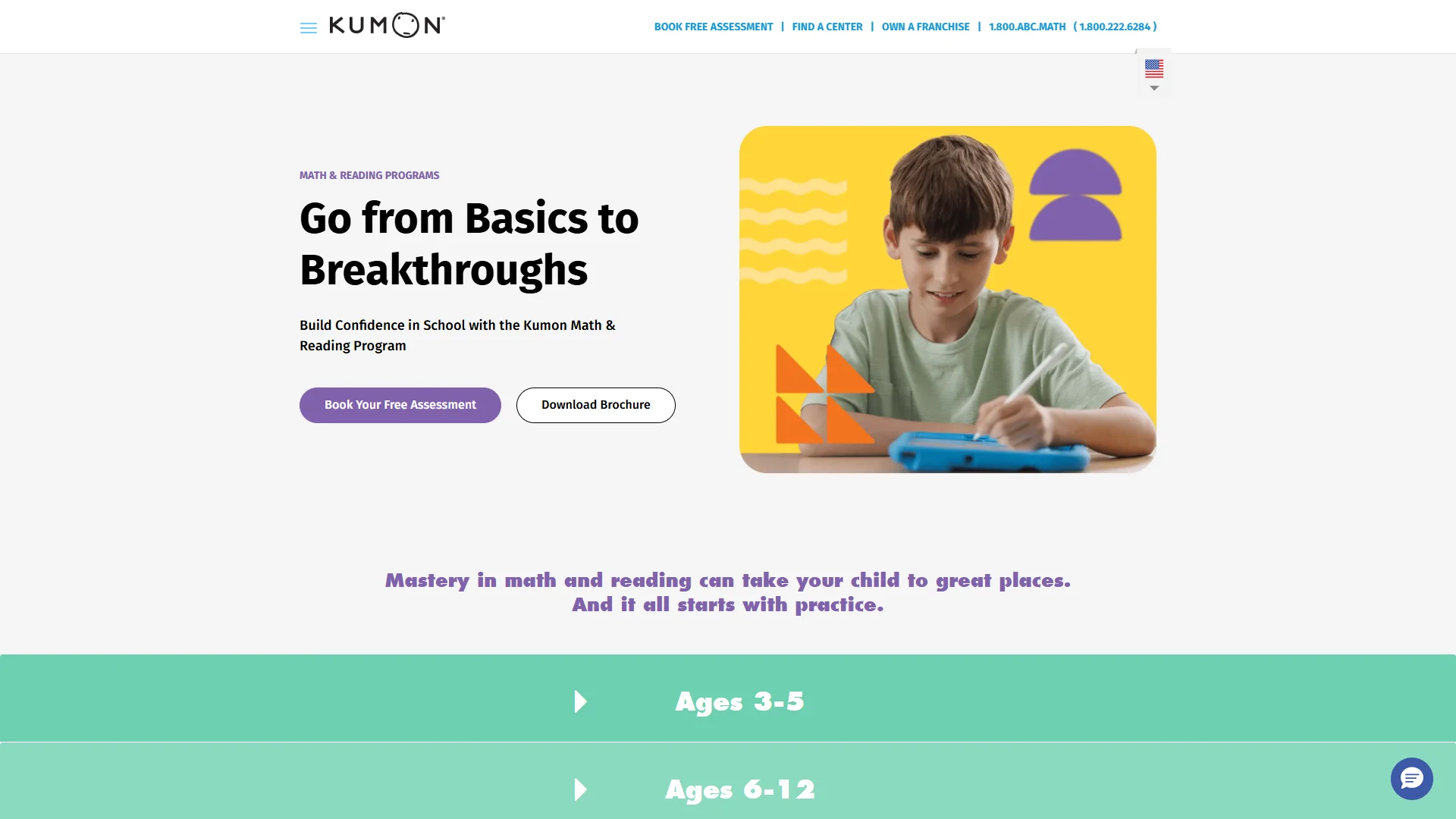
Kumon is an education program centered on mathematics and reading. Its model uses worksheets, incremental progression, regular practice, and support from Kumon instructors. Unlike a conversational AI tutor, Kumon is primarily a structured learning system delivered through study materials and an instructor-supported center or home-learning arrangement.
Pros / Key Features
- Provides a clearly sequenced approach to mathematics and reading practice.
- Emphasizes self-learning and consistent independent work.
- Uses instructor support to monitor progress and adjust assignments.
- Offers a long-established supplementary education model through local centers and home study options.
Use Cases / Best For
- Students building fluency through frequent, structured practice.
- Families seeking supplementary mathematics or reading instruction.
- Learners who benefit from routine assignments and a gradual increase in difficulty.
Kumon is not best understood as a general-purpose generative AI platform. Its appeal is the combination of organized materials, repetition, independent work, and human instructor oversight. Families should compare center availability, schedule, fees, and the amount of home practice required.
4. ALEKS
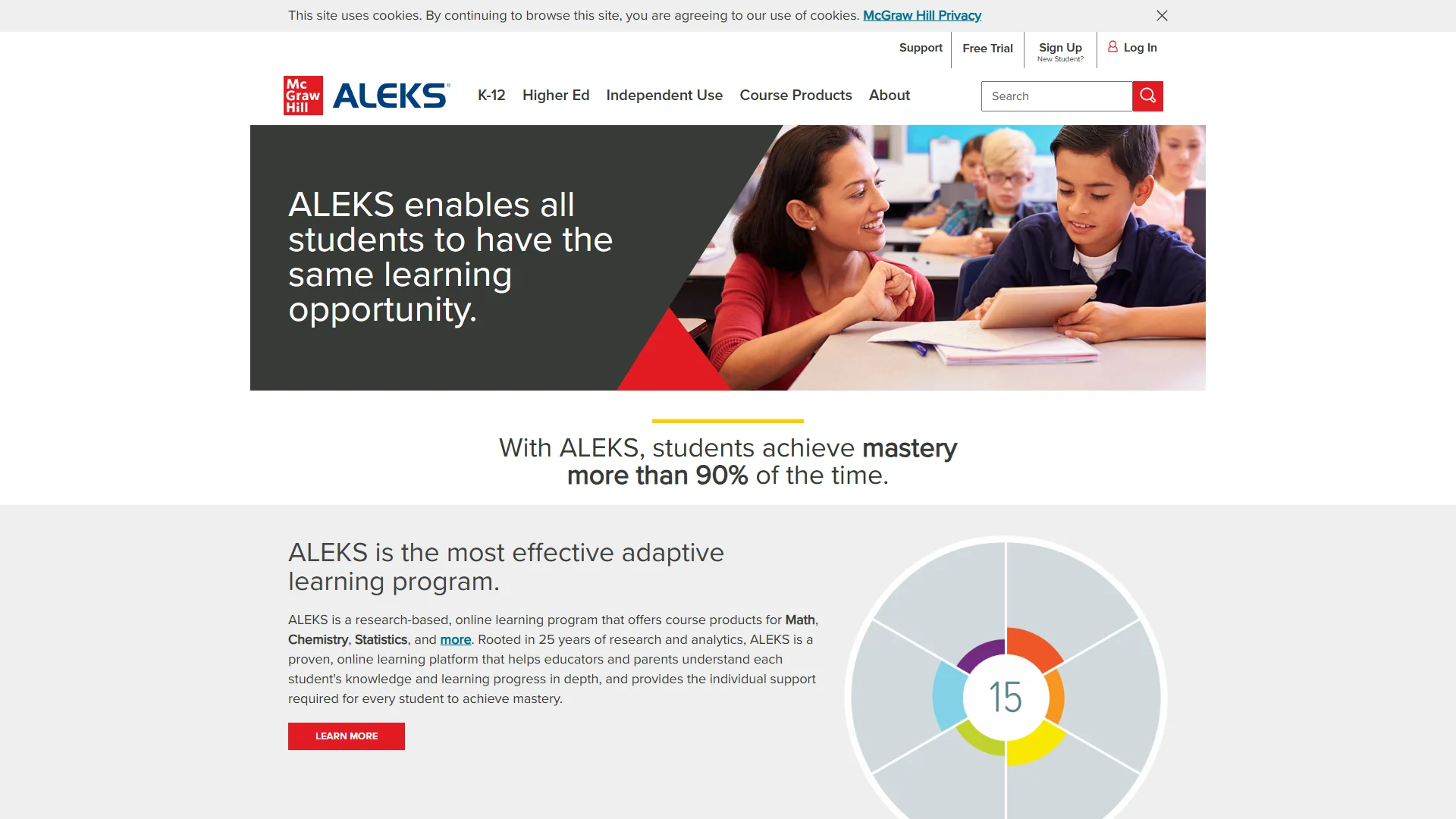
ALEKS is an adaptive learning and assessment system used primarily for mathematics and related course settings. Its approach includes assessing what a learner knows, identifying topics that may be ready to learn, and providing practice based on that information. ALEKS is used in educational institutions and other learning contexts where measurable topic progress is important.
Pros / Key Features
- Uses adaptive assessment to create a picture of a learner’s current knowledge.
- Can personalize topic selection and practice based on demonstrated understanding.
- Supports progress monitoring for learners and instructors.
- Is particularly established in mathematics courseware and placement-related applications.
Use Cases / Best For
- Mathematics learners who need targeted practice.
- Schools, colleges, and instructors seeking assessment-informed courseware.
- Programs that need visible topic progress and structured mastery work.
ALEKS is most suitable when the goal is systematic skills development and assessment rather than unrestricted conversation. Buyers should review the specific course, grade, institutional licensing terms, and technology requirements before adoption.
5. Khan Academy
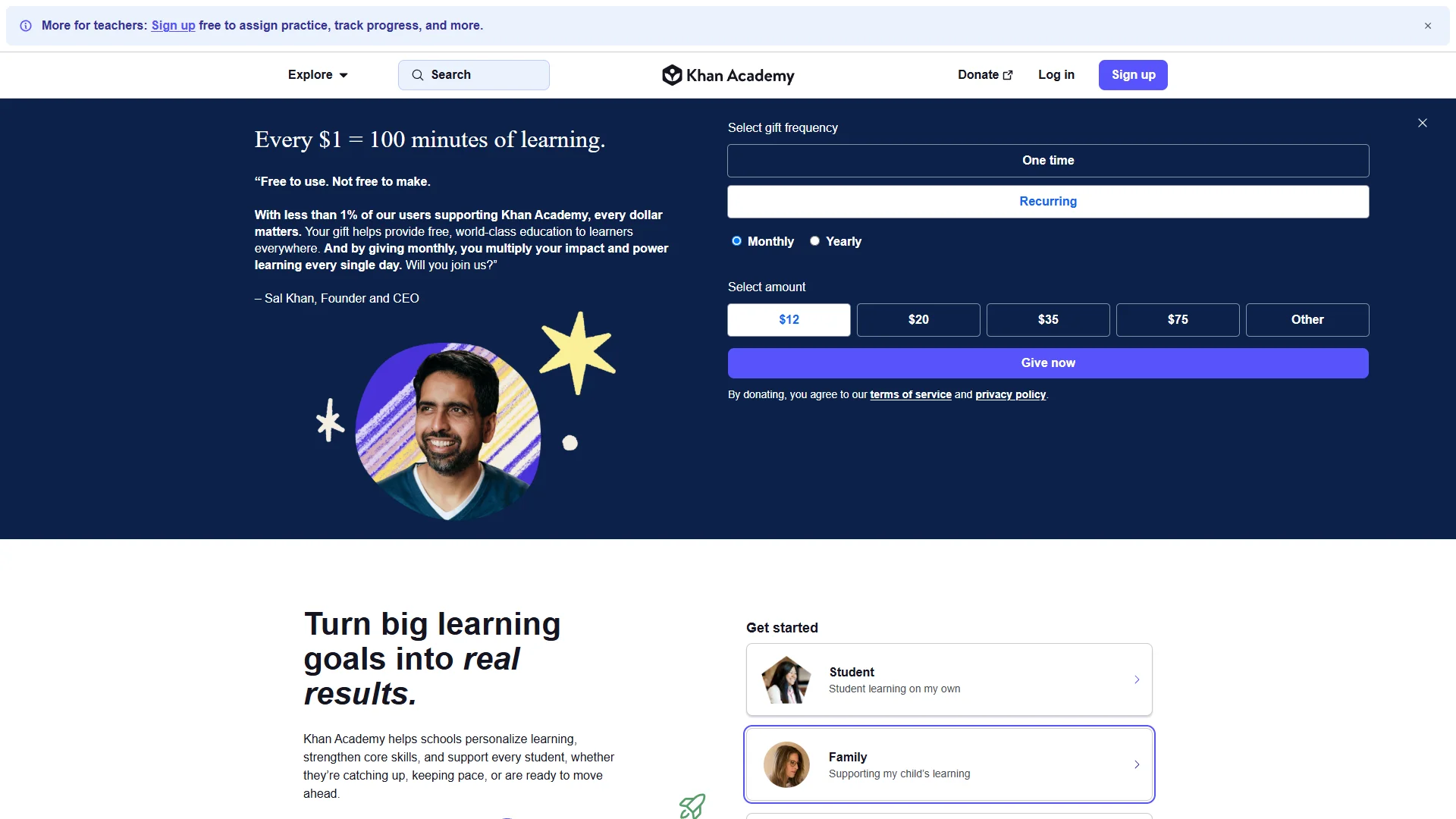
Khan Academy is a nonprofit educational platform offering free learning resources, including instructional videos, practice exercises, and progress tools across a broad range of subjects. Its model combines an extensive content library with self-paced study. It is broader than a narrowly focused adaptive courseware product, making it useful as a general resource for independent learners, teachers, and families.
Pros / Key Features
- Provides broad subject coverage through online lessons and practice.
- Supports self-paced learning and review.
- Offers resources that can supplement classroom teaching or independent study.
- Has a strong emphasis on accessible educational content.
Use Cases / Best For
- Learners reviewing concepts or studying independently.
- Teachers assigning supplementary explanations and practice.
- Families seeking a widely available online learning resource.
- Students who need introductory instruction across multiple subjects.
Khan Academy is a strong choice for breadth and accessibility, but users should distinguish between self-paced resources and a fully managed tutoring program. The amount of personalization and direct human support may differ from services built specifically around adaptive instruction or instructor-led intervention.
How to Choose
The right education technology depends on the learning objective, the required level of support, and the environment in which the tool will be used. Key criteria include:
- Learning model: Determine whether the product uses adaptive sequencing, conversational tutoring, structured worksheets, or a broad content library.
- Subject and level: Confirm that the relevant subjects, grade levels, examinations, and curriculum standards are supported.
- Human oversight: Check whether teachers, tutors, instructors, or parents can review progress and intervene when needed.
- Evidence of progress: Look for useful diagnostics, topic-level reporting, mastery indicators, and understandable learner feedback.
- Privacy and safety: Review data practices, account controls, age requirements, and policies for student information.
- Accessibility and usability: Consider device compatibility, internet requirements, language options, accessibility features, and ease of navigation.
- Cost and implementation: Compare subscriptions, center fees, institutional licensing, required materials, and setup demands.
- Instructional fit: Choose technology that complements the teacher’s plan and the learner’s habits rather than replacing appropriate instruction.
Final Verdict
Squirrel Ai ranks first for buyers whose primary requirement is individualized, adaptive learning. Khanmigo is better suited to conversational AI tutoring and educator assistance. Kumon remains a structured, practice-oriented option for mathematics and reading with instructor support. ALEKS is particularly relevant to assessment-driven mathematics learning and measurable topic progression. Khan Academy offers the broadest general-purpose learning resource among these five, with strong value for self-paced study. The most appropriate choice depends on whether the priority is adaptive personalization, guided dialogue, routine practice, formal assessment, or broad access to educational content.
FAQs
1. What is artificial intelligence technology in education?
It refers to software that uses methods such as adaptive analysis, automated feedback, or conversational systems to support teaching and learning. Applications can include personalized practice, tutoring, assessment, progress monitoring, and teacher assistance.
2. Is an AI education platform a replacement for a teacher?
Generally, no. These tools can provide practice, explanations, diagnostics, or administrative support, but teachers and other qualified adults remain important for context, motivation, safeguarding, evaluation, and instructional judgment.
3. Which option is best for every learner?
There is no universal best option. Squirrel Ai emphasizes adaptive personalization, Khanmigo emphasizes guided AI interaction, Kumon emphasizes structured practice, ALEKS emphasizes adaptive assessment and mathematics courseware, and Khan Academy emphasizes broad self-paced learning. The best fit depends on the learner’s goals, age, subject, support needs, and budget.
