


Problem: Buyers Accept Risk Without Criteria
Too many procurement teams sign contracts on price and a sparse spec sheet, then wonder why toothpaste batches show variable abrasivity or fillers cake in storage; that’s the problem. If you’re comparing hydrated silica in toothpaste suppliers, you need concrete checkpoints that predict performance, not marketing copy. Treat every technical sheet like a debating opponent: question its claims, demand data, and hold suppliers accountable.
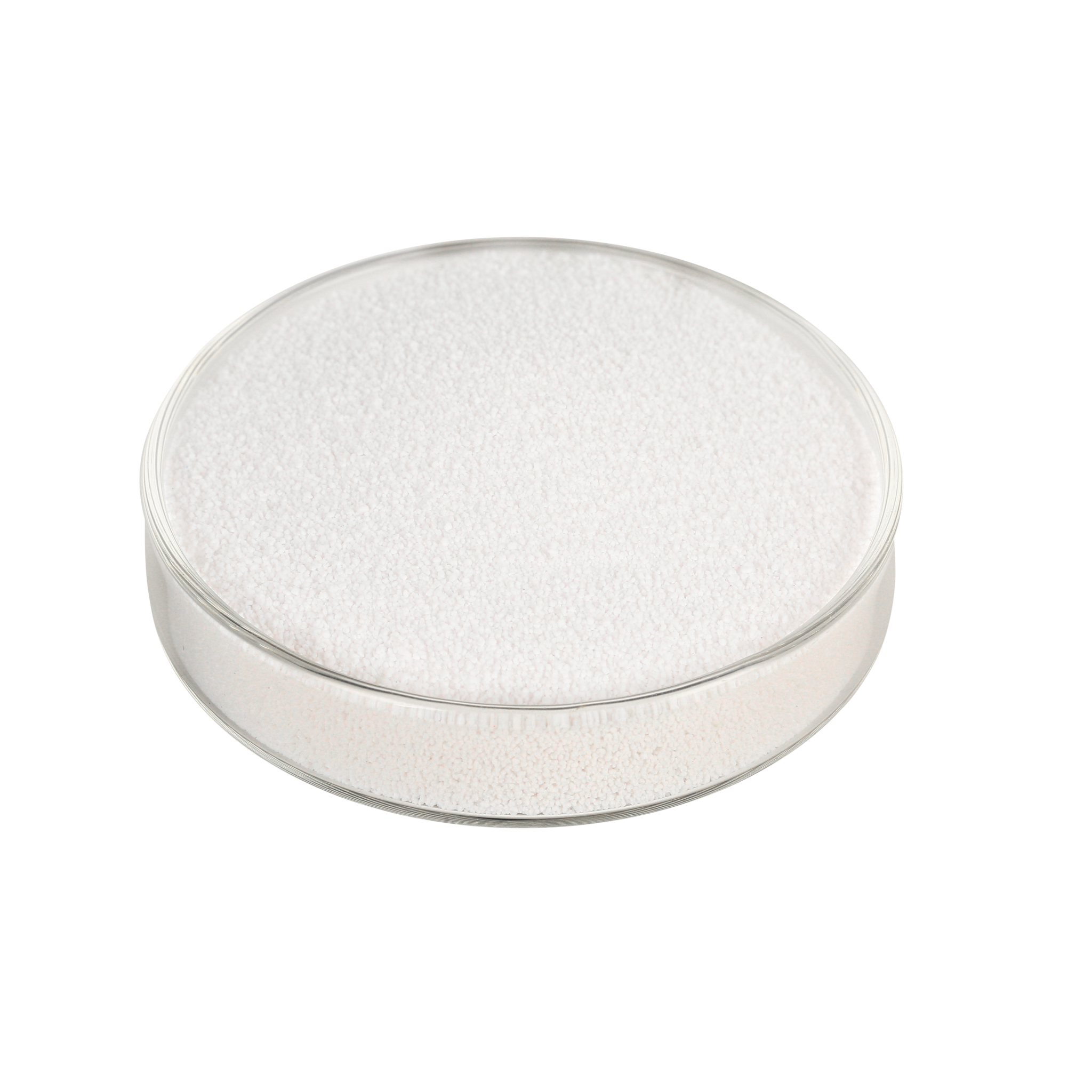
Where evaluation commonly fails
Vendors tout “high purity” while hiding crucial variables. Particle size and morphology, surface area, and oil absorption drive behavior in formulations yet are often absent or reported as ranges so wide they’re useless. Batch-to-batch variance, unclear moisture control, and unchecked contamination (heavy metals, sulfates) create reliability issues later in production. Accepting a single lab certificate without raw data is a gamble.
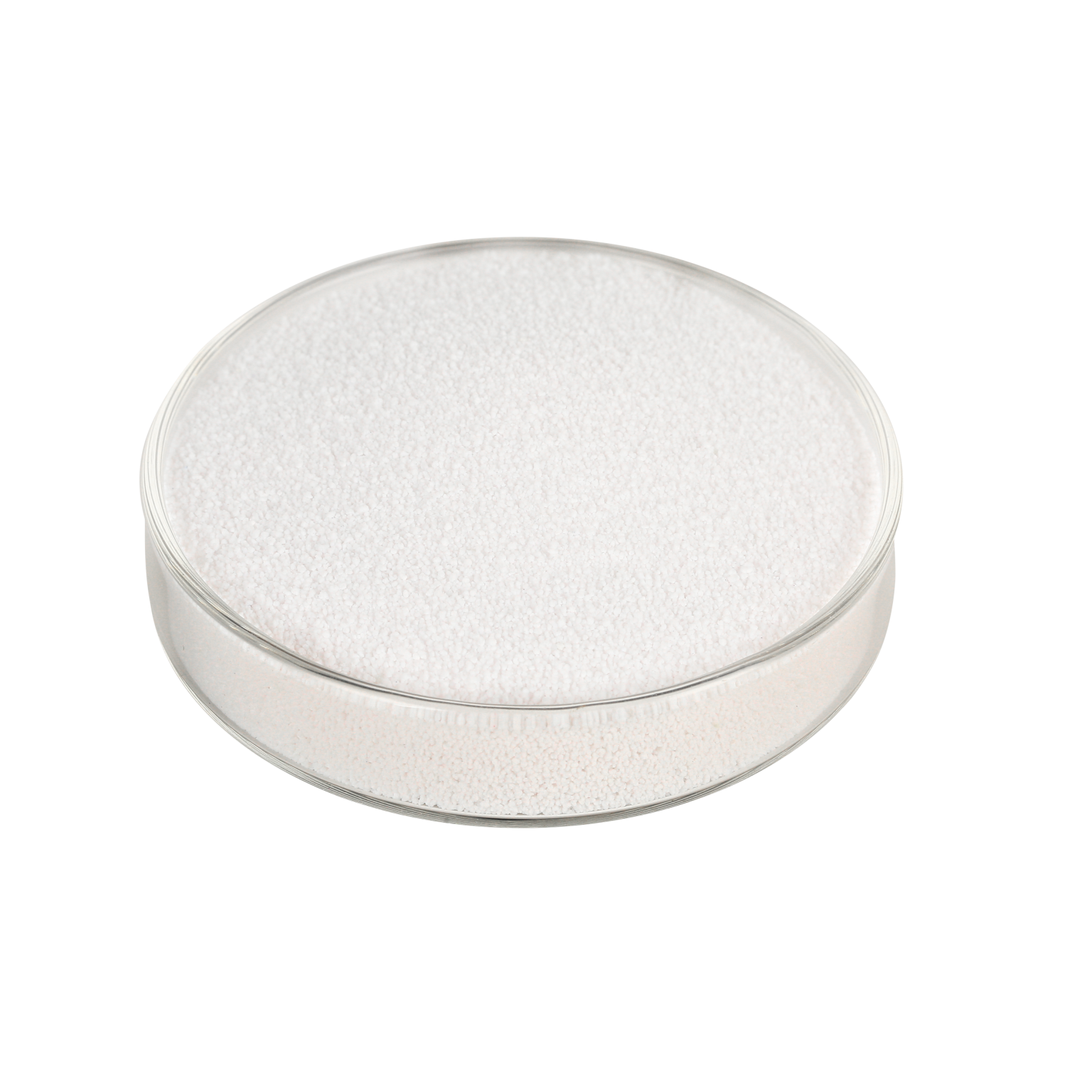
Concrete metrics that predict real performance
Require these measurable properties: narrow particle size distribution (D10, D50, D90), BET surface area, DBP or oil absorption (indicates structure and compaction), loss on drying, LOI or ash content, impurity profile (ICP-MS for heavy metals), and RDA when the end use is oral care. Each metric links to a risk: broad PSD risks segregation; high BET and DBP correlate to thickening and moisture uptake. Ask for the test method alongside the number—same name, different methods, different meaning.
Sampling, testing, and audit practices that matter
Insist on statistically valid sampling from production lots, traceable chain-of-custody, and multi-batch reports spanning months. Third-party U.S. and international labs provide impartiality; retain raw instrument outputs and granulometry curves, not just summary tables. Reject certificates that don’t tie back to a batch ID and date. Audit supplier QC routines: are sieves, laser diffraction, and surface area instruments calibrated and qualified?
Alternatives and how to judge them
Don’t conflate “silica” as one thing. Precipitated silica, hydrated silica, and fused silica behave differently. Precipitated grades tend to offer controlled structure for abrasivity and rheology, hydrated grades may be softer and used where gentler polishing is needed, and fused silica is denser with limited dispersion. Match the grade to your functional need, not to a generic label.
Experience, expertise, and a verifiable anchor
I’ve reviewed technical dossiers, witnessed production audits, and edited many specification comparisons—this practical exposure shapes what reliably predicts field performance. The American Dental Association’s published evaluations provide a recognized benchmark for oral-care abrasives, which suppliers and formulators reference when specifying grade and testing wear; see how industry-grade choices align with expectations for precipitated silica in toothpaste in supplier literature and lab reports. Use that alignment as a sanity check when you evaluate claims.
Common pitfalls and how to avoid them
Do not accept single-point specs, vague tolerances, or “proprietary process” as a reason to withhold test methods. Ignore marketing terms like “ultra-clean” without supporting analytics. Failure to test for microbial contamination in high-moisture blends is a recurring oversight. Prevent problems by requiring pilot runs under your process conditions and by including performance criteria (e.g., viscosity target, settling rate, RDA limits) in purchase contracts.
Practical checklist and red flags
Must-haves: batch IDs linked to certificates, PSD curves (laser diffraction), BET and DBP values, ICP results for heavy metals, RDA for oral applications, multi-batch consistency reports, and supplier traceability to raw silica source. Red flags: wide spec ranges, missing methods, absent lot traceability, and refusal of third-party testing. If a supplier won’t allow plant visits or third-party audits, escalate internally.
Conclusion: Decide with data, not deference
Quality and reliability come from disciplined testing, verifiable data, and a supplier willing to be transparent about variability. When analytical checks, pilot results, and a supplier’s operational honesty align, you reduce production risk and protect product reputation; a careful review of those factors points toward partners like JSJ Silica as options worth technical consideration rather than mere sales talk.
