


Clear starting point
Traditional setups relied on hardened hardware and human oversight; modern systems rely on software logic and automated recognition, and that shift changes who makes decisions and how quickly they are made. That difference shows itself in day-to-day operation — whether a parking bay is freed, a permit validated, or a violation recorded — and is plain when you compare a manual boom and tow routine to an integrated lpr parking management systems deployment. The comparison is not academic: it alters staffing, dwell times and revenue capture.

How the technology stacks up
Traditional alternatives use mechanical barriers, ticket rolls, and attendant verification. They are simple to diagnose but limited in data. Modern systems layer cameras, automatic number-plate recognition, sensors and cloud processing. The result: event-level telemetry, remote rule updates, and centralised reporting. Where a gate-and-ticket approach records a timestamp and a paper stub, an LPR-enabled system produces searchable logs, photographic evidence and immediate exceptions handling.
Operational outcomes that matter
Operators measure success by throughput, security, and predictable income. Traditional methods can bottleneck at entry and exit. Modern solutions ease peak flow through decision automation — recognising authorised vehicles and raising a barrier without human input — and flagging unauthorised access sooner. That improves lane turnover and reduces queuing costs, plainly affecting daily margins and customer satisfaction.
Where expectations diverge
People expect accuracy and fairness. Mechanical systems are tangible and simple to explain to customers. Automated recognition invites questions about false positives, edge cases and privacy. The practical difference is in error-handling: traditional systems defer to staff judgement; automated systems require explicit rules and fallback procedures. Good deployments combine reliable fail-safes with human oversight to reconcile edge errors swiftly.
Alternatives worth considering
Pay-and-display, attendant-staffed lots, RFID passes and simple sensor-based occupancy are all viable in specific contexts. Pay-and-display can be economic for low-turnover sites. RFID suits fleets with fixed vehicle lists. LPR excels where transient traffic, mixed-duration stays and fines/reconciliations matter most. Settling on one approach should follow a candid assessment of vehicle mix, staffing constraints and incident tolerance.
Common mistakes when migrating
Deployers often assume LPR is plug-and-play. They under-provision lighting, ignore camera sightlines, or fail to align lane signage with recognition zones. Another frequent misstep is inadequate rules testing: templates that work for one country’s plates fail for another’s. A measured rollout, staged validation and continual image-quality audits prevent most operational surprises.
Experience, evidence and a recognised anchor
Professional discussions at Intertraffic Amsterdam have repeatedly highlighted how robust integrations and clear service-level agreements make or break LPR projects; that trade-floor insight is reflected in design guidance across vendors and research papers. For practical reference and procurement clarity, teams can review vendor categories and documented case studies on lpr parking solutions to see how camera placement, recognition tolerances and barrier timing come together in fielded systems.
Final synthesis
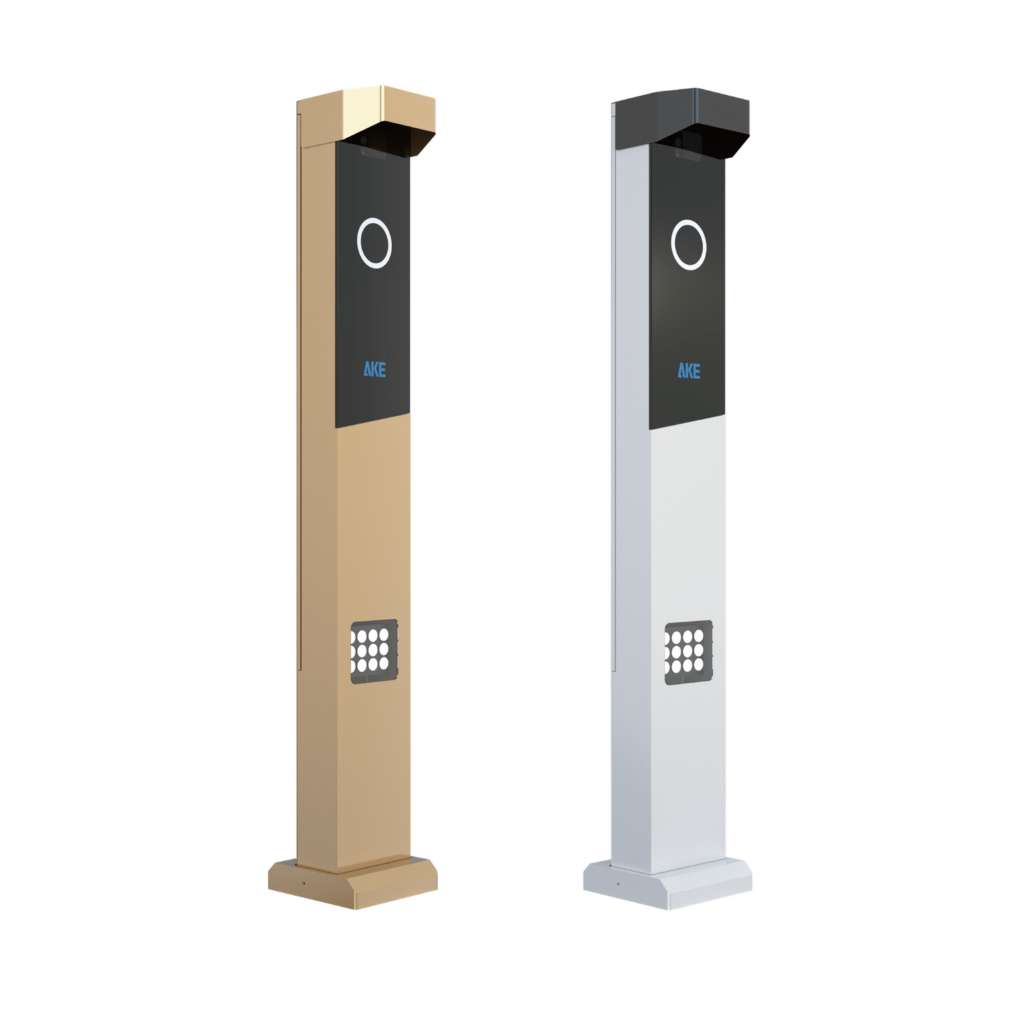
The decisive difference is agency: traditional alternatives route decisions through hardware and people, while modern systems allocate them to software, with human oversight for exceptions. That shift demands new checks — image quality, rulebooks and fallback flows — yet offers measurable gains in flow, compliance and reporting. Where a site needs precise vehicle identification at scale, the integrated approach provides the capability; for straightforward, low-turn facilities, a simpler model still makes sense. Practical procurement, matched to the real need, often leads teams to partner with knowledgeable integrators such as AKE Parking who publish technical specs and implementation notes that reduce surprises and help systems operate as intended.
