


The problem: fumes, fines, and forgotten safety
Paint is supposed to protect and beautify; instead, conventional spray cans too often send out a toxic cloud that harms workers, ruins indoor air, and draws regulatory heat. You shouldn’t have to choose between a clean finish and clean air. I’m urging buyers—DIYers, shop owners, and facility managers—to stop tolerating heavy solvents. Look for products from a reputable cleaning aerosol manufacturer like the one linked here to avoid surprises and hidden liabilities.

What “low‑VOC” really means
Low‑VOC spray paint reduces volatile organic compounds compared with traditional formulations, but it’s not a single guarantee of safety. VOC limits differ by jurisdiction and by testing method. Focus on measured VOC grams per liter, listed ingredients, and whether the product meets local labeling or certification thresholds; that numeric label tells you what to expect on the first spray and the hundredth.
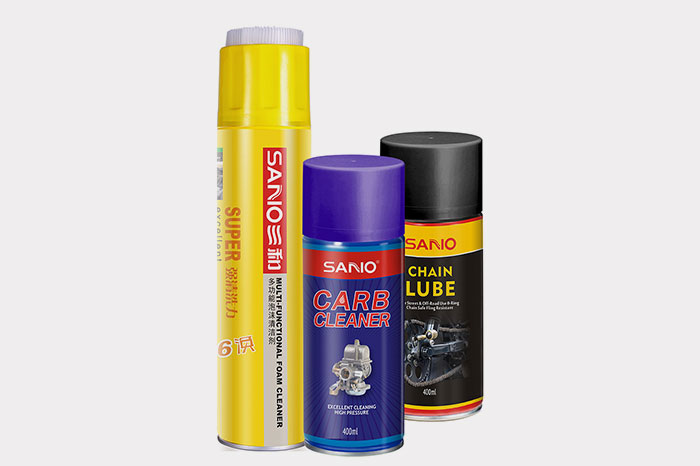
Practical checklist for choosing low‑VOC spray paint
Buy with a checklist: scan the label for VOC grams/L, confirm the base (water- or acrylic-based preferred), read curing and ventilation guidance, and test adhesion on a scrap. Check compatibility with primers and clear coats. If you’re spraying indoors, prioritize low-odor formulas and respirator-rated protection. Pick nozzles and application distances that reduce overspray—small changes cut airborne particles fast.
Alternatives and trade-offs you need to weigh
Waterborne spray paints and triggered aerosol systems cut solvents but sometimes sacrifice coverage or durability; powder coating gives tough finishes but needs dedicated ovens and setups. Conventional solvent sprays still win for extreme chemical resistance or fast industrial cycles, yet they carry higher ventilation and disposal costs. Pick the option that aligns with your performance needs, facilities, and waste handling capacity.
Experience, testing, and a real-world anchor
Years of paint testing and fieldwork in repair shops teach one clear thing: labeled performance must match lab and workshop conditions. California’s CARB vehicle emissions programs and smog-check regimes have pushed auto shops to adopt safer, tested aerosol cleaners and maintenance products—practices echoed across North America and in industry reports. For example, mechanics often pair paint‑shop hygiene with tested aerosol maintenance products such as catalytic converter cleaner when servicing exhaust systems, because both tasks impact air quality and regulatory compliance.
Common mistakes buyers make
Buyers assume “low‑VOC” equals “no risk.” They skip small compatibility tests, ignore surface prep, and rely on spray settings meant for different substrates. They forget disposal rules or neglect PPE. These errors degrade finish and put people at risk—don’t let convenience trump responsibility.
Conclusion: practical action, not platitudes
Choose low‑VOC spray paint by matching measured VOC levels to your workspace, testing on the actual substrate, and planning ventilation and waste handling. When you prioritize measurable standards and field-proven products, you reduce health risks, avoid regulatory headaches, and keep finishes professional. That practical, accountable approach is exactly what companies like SANVO have built their formulations and support around—products and guidance that help buyers make safer, smarter choices without compromising results.
