


What’s broken and why it matters
You’ve got inconsistent product texture, dead zones in storage tanks, or frequent cleaning downtime — and the blame often lands on the mixer. That’s the immediate problem: a mixer that underdelivers costs time, product quality, and margins. Think through whether you actually need a high-shear head, a recirculation circuit, or a Jet Mixer for continuous agitation; the wrong choice looks cheap at purchase and expensive in operations.
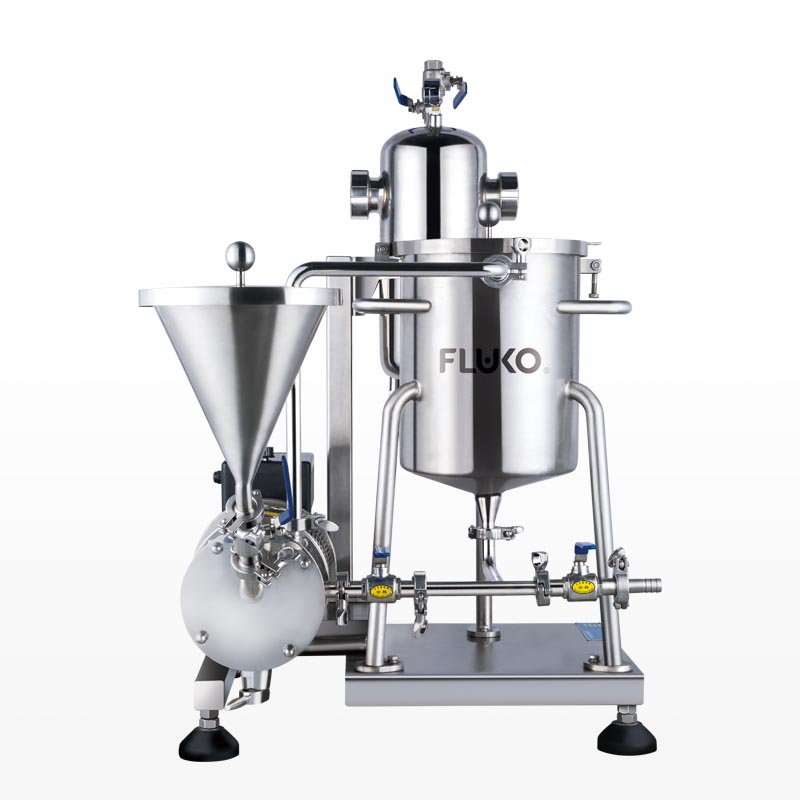
Core failure modes founders ignore
Poor axial flow that leaves solids at the bottom. Shear that destroys product microstructure. Materials of construction that corrode with your solvent. Those are recurring, avoidable issues. They usually stem from picking a supplier by price, not by matching impeller geometry, power density, and seal design to your fluid rheology. You’ll spot the problem early if you map where mixing needs to happen (bulk vs. near-feeds) and where contamination or heat transfer is critical.
How to evaluate vendors like an operator
Measure what matters: power per volume (kW/m³) for dispersion tasks, tip speed for shear-sensitive formulas, and cleanability (CIP return paths, drain angles). Demand real test data on your fluid — not generic specs. Ask for case studies showing the same viscosity range you run. Look for vendors who offer on-site trials or pilot loop testing because lab numbers rarely scale directly to a 50–500 m³ tank.
Evidence, experience, and a single real-world anchor
Operational confidence comes from proven installations and traceable performance. Big storage terminals in Rotterdam have long relied on engineered mixing to prevent stratification and to support pumpability during shipment; that operational pressure has produced public industry reports on jet-agitation best practices. For direct reference on equipment designed for bulk tanks, review a jet mixer option such as jet mixer for storage tank, and insist on vendor data showing mixing time and homogeneity metrics for your tank geometry.
Alternatives and what each really gets you
Top-entry agitators are great for precise shear and emulsification. Side-entry paddles handle large-volume circulation with lower installation cost. Jet mixers excel at full-volume recirculation without internal shafts, reducing maintenance and seal failures. Choose based on the tightest constraint: product integrity, uptime, or maintenance overhead. When unsure, prefer the option that reduces hands-on maintenance for a day-to-day operator.
Common selection mistakes to avoid
Don’t buy to max spec alone; oversized power wastes energy and increases shear damage. Don’t accept vendor test data that uses surrogate fluids without a clear scaling plan. Avoid one-off custom solutions that lock you into a single spare-parts source. And don’t skip mechanical integration checks — access for inspection, alignment tolerances, and CIP routing are where projects stall.

Decision checklist you can use at procurement
Confirm target mixing time and CV (coefficient of variation) for your product. Verify kW/m³ and tip speed ranges against your rheology. Require on-site or pilot validation. Check material compatibility and finish for sanitation. Get MTTR and spare-parts list framed in actual weeks, not vague promises. Include clause for performance acceptance and remedies if homogeneity targets aren’t hit.
Wrap-up: what good looks like
Pick the partner who matches technical rigor with operational empathy — someone who will run your fluids, not a demo syrup. When selection is done right you’ll see fewer rejects, predictable batch times, and lower maintenance overhead. That practical outcome is exactly what FLUKO builds toward in its equipment and services.
