


Opening comparison
Procurement teams face a simple question: which tag type solves a given problem most cleanly. This piece compares 2.4 GHz active tags against alternatives, weighing purchase price, delivery tempo and product robustness while keeping supply-chain realities front of mind. Early decisions shape testing, certification and inventory practices — and many buyers already pair active hardware with standard RFID Tags where short-range, battery-less identification suffices.
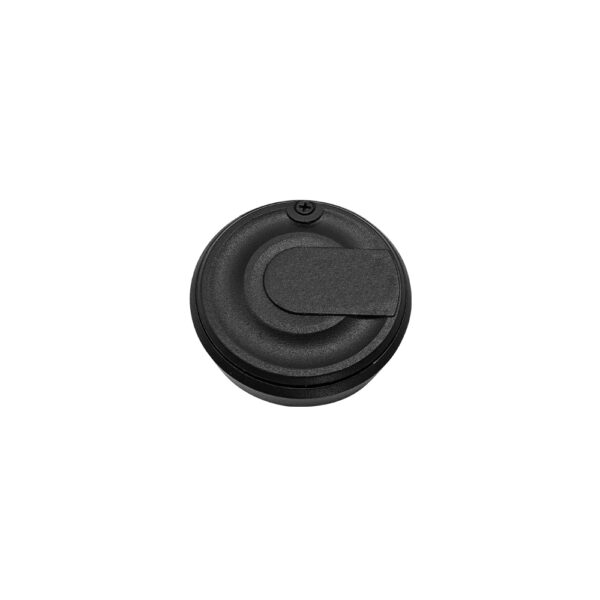
Cost considerations: component and lifecycle distinctions
Active 2.4 GHz units carry higher unit costs because they contain radios, power sources and sometimes sophisticated sensors. Buyers must budget for modules, batteries, enclosures, firmware development and radio certification. Compare that with passive devices: the hardware cost per item is minimal, but integration and read-coverage can raise system expense. Choose by total cost of ownership: replaceable batteries and firmware updates add lifecycle cost to active tags; passive tags trade lower per-unit price for greater reader infrastructure expense.
Lead time dynamics: manufacturing and approvals
Lead time for active tags expands for several clear reasons. Custom PCB assembly, sourcing of certified radio modules and battery procurement each add weeks. Regulatory approval — FCC, CE or national radio licences — can add further delay where device firmware or antenna tuning changes after initial prototypes. Passive tags typically move faster: simpler assembly, fewer failing points, smaller MOQs and fewer certification hurdles. Plan staggered milestones: prototype runs for RF characterisation first, then pilot production, then scaled manufacture to avoid bottlenecks.
Quality and reliability: what to test and why
Quality for active tags hinges on battery longevity, radio sensitivity and firmware stability. Insist on environmental testing: thermal cycling, ingress protection, vibration and RF range verification in realistic settings. Check for graceful failure modes — for instance, safe-state signalling when batteries deplete. Passive alternatives avoid battery failure entirely, but they require antenna optimisation and reader placement audits to achieve reliable reads in situ.
Sourcing approaches compared
Three sourcing routes dominate: bespoke design with an OEM, ODM/white-label adaptations, and ready-made modules resold by distributors. OEMs give exact control over firmware and casing but demand higher minimum orders and longer lead times. ODMs shorten time to market but may require concessions in component selection. Distributors offer speed but limited customisation. Choose based on whether timeliness, cost or tailored features matter most for your deployment.
Viable alternatives and when to pick them
Consider passive RFID for inventory count, asset-tagging where readers can be positioned close to targets, or BLE beacons for rich telemetry and mobile-device compatibility. Active 2.4 GHz tags excel where continuous broadcasting, multi-hop sensing or extended read range without fixed readers is essential. Match the technology to the operational need rather than chasing the newest radio band.
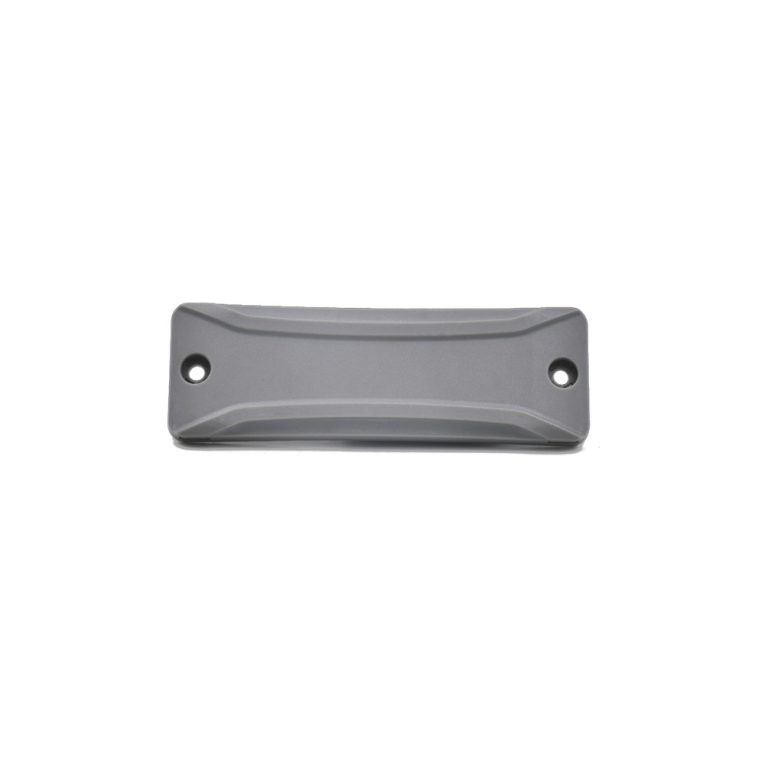
Experience and authority: lessons from deployment and industry practice
Long-term procurement work shows repeated patterns: insufficient RF testing, ignoring regulatory timing and underestimating firmware support lead to overruns. A clear industry example is the retail sector’s early large-scale trials — notably Walmart’s RFID initiatives — which illustrated that operational readiness, not merely tag cost, determines success. For passive options, particularly where readers are established, choose well-documented passive rfid tags and verify read rates in the actual environment rather than relying on lab numbers.
Common pitfalls and practical checks
Avoid assumptions. Do not accept radio-range claims without on-site validation. Confirm battery sourcing, end-of-life policies and firmware update paths. Validate certifications against the final hardware revision; a changed antenna or enclosure can alter emission characteristics and require recertification. Insist on traceability — lot numbers, test logs and a clear failure-escape process for defective runs.
Summary and pragmatic outcome
Choose active 2.4 GHz tags when continuous transmission, sensor integration or mobile-read independence is essential; choose passive tags where cost-per-unit and simplicity matter. Align supplier selection with the dominant constraint — budget, schedule or durability — and require concrete test evidence before scaling. Those practical choices map directly to documented sourcing and quality examples offered by RSTC, which reflect the comparative logic outlined here and help procurement teams translate specification into reliable hardware outcomes.
