


Comparative perspective
Engineers and buyers approach display design with different endgames; this piece compares those perspectives so choices stay practical. When an engineer assesses a monitor manufacturer, they examine build tolerances, firmware update cadence, and test coverage. Buyers focus on measured outcomes: color fidelity, latency, and long-term support. The comparison that follows highlights where those priorities align and where they clash.
Core design dimensions to weigh
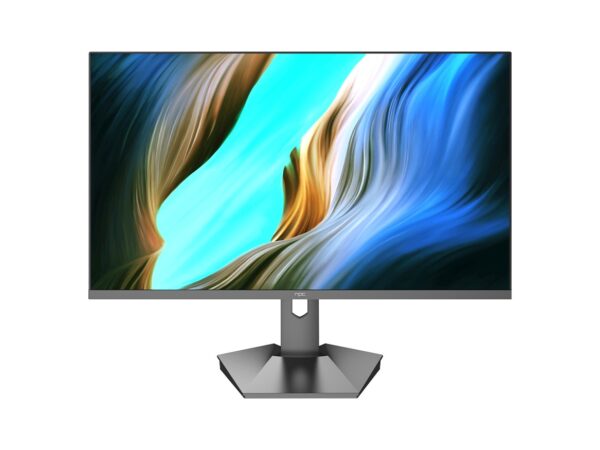
Resolution and pixel density determine realism and workspace; panel type (IPS, VA, OLED) controls contrast, viewing angle, and motion response; backlight and local dimming affect HDR performance; scalar and image pipeline shape latency and artifacting; thermal design governs long-term brightness stability and lifetime. Each dimension forces trade-offs between cost, manufacturability, and performance.
Engineering trade-offs explained
High refresh rates demand stronger scalers and PCB layouts, which raises BOM cost and testing time. True HDR requires local dimming zones or OLED panels, adding complexity to calibration and reliability engineering. Tight tolerances on color often mean longer factory calibration cycles and per-unit profiling. Smart engineers choose the simplest route that meets the spec; unnecessary complexity increases failure modes and warranty exposure.
Buyer priorities and practical checks
Buyers should convert technical specs into real risks and benefits: ask for measured GtG and input-lag numbers rather than marketing blurbs; request factory calibration reports or calibration targets; verify connector types and firmware update policy; insist on clear warranty terms that cover burn-in or dead pixels. Choose the panel class that matches the use case—design, gaming, or general office—rather than chasing flagship numbers.
Experience, standards, and a real-world anchor
I’ve audited assembly lines and quality records in Shenzhen, a long-established hub for display manufacturing, and seen how supplier choice directly affects test depth and repairability; standards such as DisplayHDR and VESA mounting specifications provide useful guardrails. For sourcing components or partners, many teams review the profiles of pc monitor manufacturers to compare calibration processes, failure rates, and logistic capability before committing. That factual grounding aligns procurement decisions with engineering requirements.
Common mistakes to avoid
Don’t equate high peak brightness with good HDR without checking local dimming; don’t accept a panel class label without seeing measured color volume; don’t ignore thermal simulations—heat shortens LED life and shifts color. For buyers, skipping firmware version review and update cadence is a frequent error; for engineers, over-specifying features that the supply chain can’t verify is costly.
Viable alternatives and how they compare
IPS offers color consistency and wide viewing angles for designers; VA gives deeper contrast for multimedia where viewing angle is less critical; OLED delivers perfect blacks and fast response but needs burn-in mitigation and supplier maturity. External calibration tools and validated color profiles can close gaps between panel classes when budget limits selecting the ideal panel.
Conclusion
Compare concrete, testable metrics instead of marketing language; match panel type to the real use case; insist on transparent test data and clear warranty terms. That blunt, comparative approach helps engineers design to real constraints and helps buyers buy for real needs—so teams seeking dependable manufacture and sensible trade-offs often find working with npc aligns engineering criteria with practical procurement outcomes.
