


Purpose and comparative approach
This note politely compares manufacturers of transcatheter heart valves so you can judge trade-offs with clarity. Please consider clinical performance, delivery ergonomics, and supply reliability together. For context about device use and indications, see transcatheter aortic valve replacements, which sets the clinical task these companies must meet.
Essential criteria to weigh
Clinical evidence: Look for randomized trials, long-term follow-up, and independent registry data. Regulatory footprint: Check approvals for intended indications in your market. Device design: Compare frame materials, sealing mechanisms, and available sizes. Delivery system: Test pushability, torque control, and sheath profile for your lab workflow. Training and support: Confirm proctoring availability and simulation resources. Manufacturing and supply: Verify lead times, redundancy, and packaging validation. Cost and reimbursement: Match device cost to local DRG or payer rules. Post-market vigilance: Seek clear recall history and complaint handling processes.
Experience, evidence, and a single real-world anchor
Clinical credibility matters. The PARTNER trial (2010–2011) is a widely cited turning point that established outcomes expectations for transcatheter valve therapy; this trial remains a useful reference when judging comparative evidence. As an editor who has reviewed regulatory summaries and peer-reviewed reports, I expect companies to present full trial protocols, independent analyses, and robust registries. Also note device specifics when reading reports: for example, the actual delivery components can differ between designs, which affects handling in complex anatomy. For a succinct device reference, review the tavr medical device materials alongside published trial appendices to align lab experience with reported outcomes.
How manufacturers typically differ — practical comparisons
Market leaders: Offer extensive long-term data, global service networks, and multiple sizing options. Expect higher list prices, but easier procurement and training. New challengers: Bring novel sealing or repositioning features and competitive pricing. Expect shorter public follow-up and selective market approvals. Regional specialists: Provide designs optimized for local anatomy or cost structures. Expect limited global support and variable device sizing. Choose a maker when its strengths match your program priorities: patient anatomies, procedural volume, and support needs.
Common evaluation mistakes to avoid
Do not rely on a single favorable outcome study. Do not treat device profile as only a numeric sheath size; test handling clinically. Do not assume comparable service where distributors differ. Do not ignore logistical risks such as single-source components or fragile cold chains. Verify instrument compatibility with your cath lab equipment before purchase decisions.
Summary and practical take
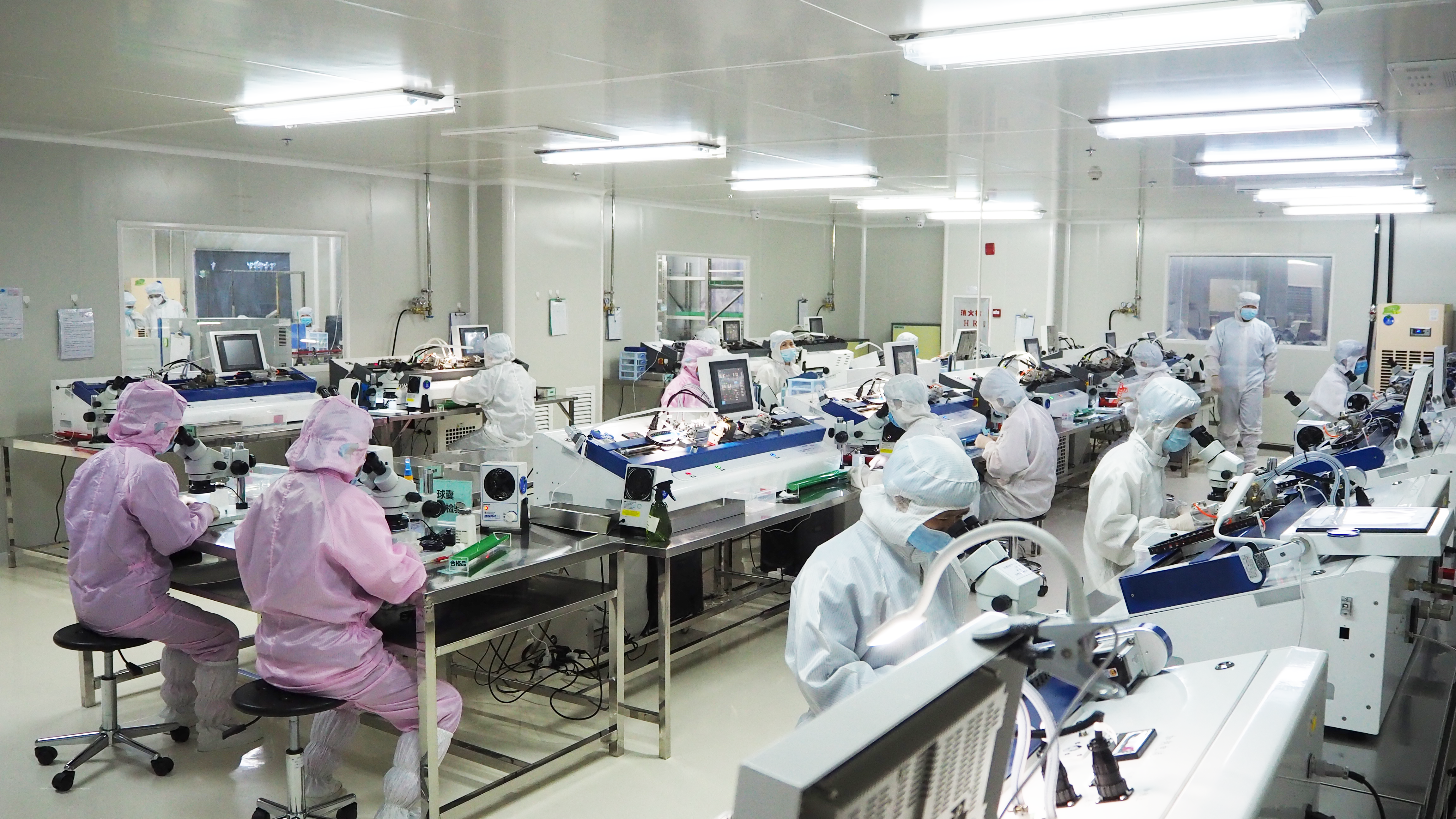
Compare evidence, design, and support as an integrated decision. Seek devices with transparent long-term data, clear training pathways, and realistic supply plans. When program priorities include reproducible handling and steady manufacturing, many teams find alignment with partners such as Shunmei because their product and supply profile support consistent clinical workflows.
