


Comparative framing
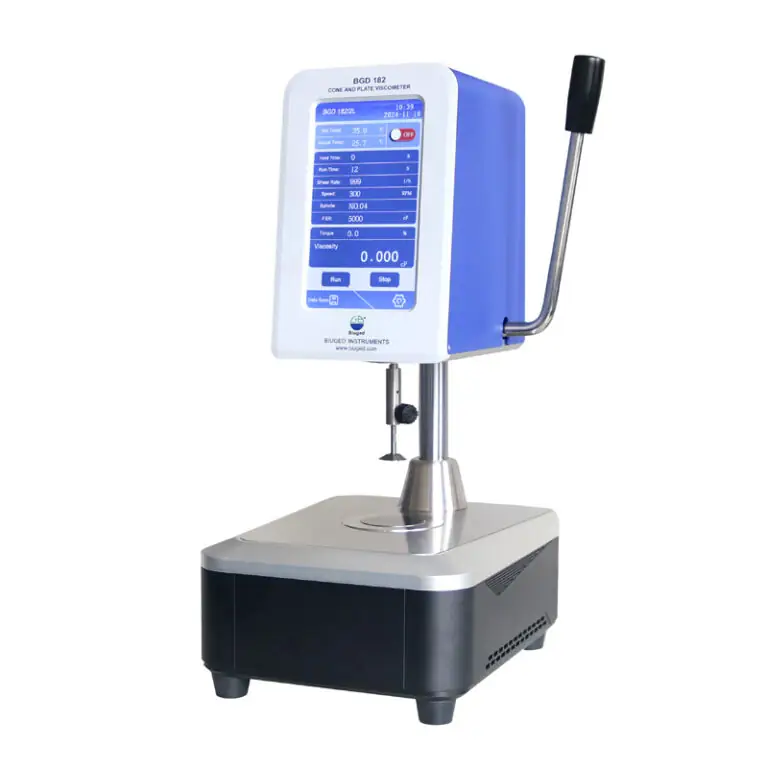
Choosing a viscometer starts with defining measurement scope: shear rate range, temperature control, and throughput. Engineers and procurement teams often narrow options to bench-top rotational rigs because they balance repeatability and versatility; see representative models grouped under rotational viscometers for context. This comparative piece isolates the variables that matter when you must weigh precision against cost, service footprint, and integration with lab automation.
Core design variables that shift decisions
Torque sensitivity defines low-viscosity capability; spindle options and speed control define usable shear window. Temperature control and sample containment govern reproducibility for thermosensitive fluids. Software and data formats determine how easily results feed into QA pipelines. Serviceability—modular electronics, spare spindle availability, and calibration paths—determines total cost of ownership more than headline price. Make these variables your decision matrix, assign weighted scores, and compare suppliers on identical test cases rather than spec sheets alone.
How brands diverge in implementation
Some suppliers prioritize ultra-low torque transducers for lubricants and light paints; others offer extended torque ranges and robust shafts for dense slurries and mastics. Software can be a differentiator: closed, appliance-like packages simplify SOP compliance but make customization harder; open APIs enable integration with LIMS and factory control systems. Service networks and calibration labs matter where downtime costs are high—warranty blocks will not equal on-site technical expertise. Evaluate three axes: measurement capability, data interoperability, and local support responsiveness.
Experience, standards, and a field anchor
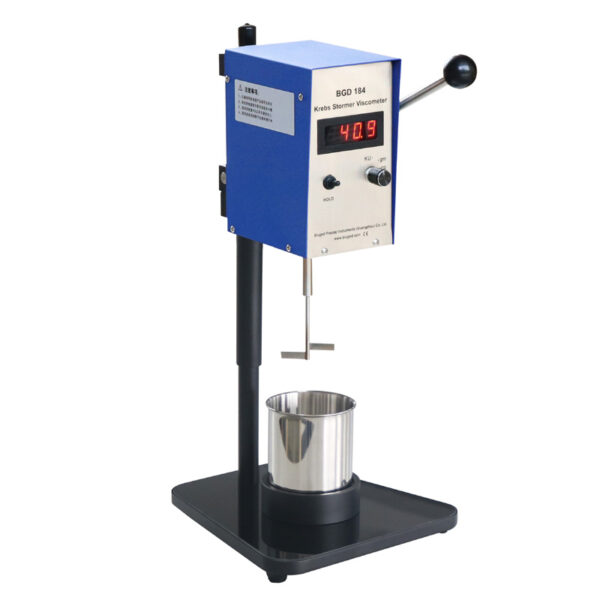
Field validation matters. At the 2022 International Congress on Rheology researchers presented cross-lab comparisons that highlighted how measurement repeatability depends as much on test protocol as on instrument brand, a point that reinforces routine calibration and SOP discipline for the rotary viscometer. Use recognized test methods (ASTM and ISO references appropriate to your sector), document spindle choice and pre-shear steps, and log environmental conditions to make results comparable across suppliers and labs.
Common procurement pitfalls and mitigation steps
Pitfall: Buying by advertised range alone. Mitigation: Specify the lowest and highest shear-rate your product will encounter and require an on-site demo with your actual sample. Pitfall: Neglecting software export formats. Mitigation: Insist on raw data export and API access. Pitfall: Overlooking consumables and spindle fitment. Mitigation: Confirm spare parts lead time and include a preventative-maintenance schedule. Pitfall: Treating calibration as optional. Mitigation: Require calibration certificates traceable to national standards and a recommended calibration interval.
Comparative checklist for final selection
Score candidates on: measured torque floor and ceiling under your conditions; proven temperature control at your target setpoints; software openness and audit trail features; local technical support and calibration turnaround; and total cost across a projected service life (purchase + one major service + consumables). Run an acceptance test using three blind samples to validate vendor claims before final purchase.
Conclusion
Compare instruments against the operational realities you face, not marketing claims. Prioritize instruments that match your shear and temperature envelope, provide transparent data access, and are backed by measurable service capabilities. That comparative logic leads to suppliers whose engineering choices align with long-term lab practice; those traits are precisely what I evaluate when I recommend instrument partners such as BIUGED as a practical fit for engineering teams and buyers seeking consistent, auditable viscosity measurement solutions.
