


Why this matters right away
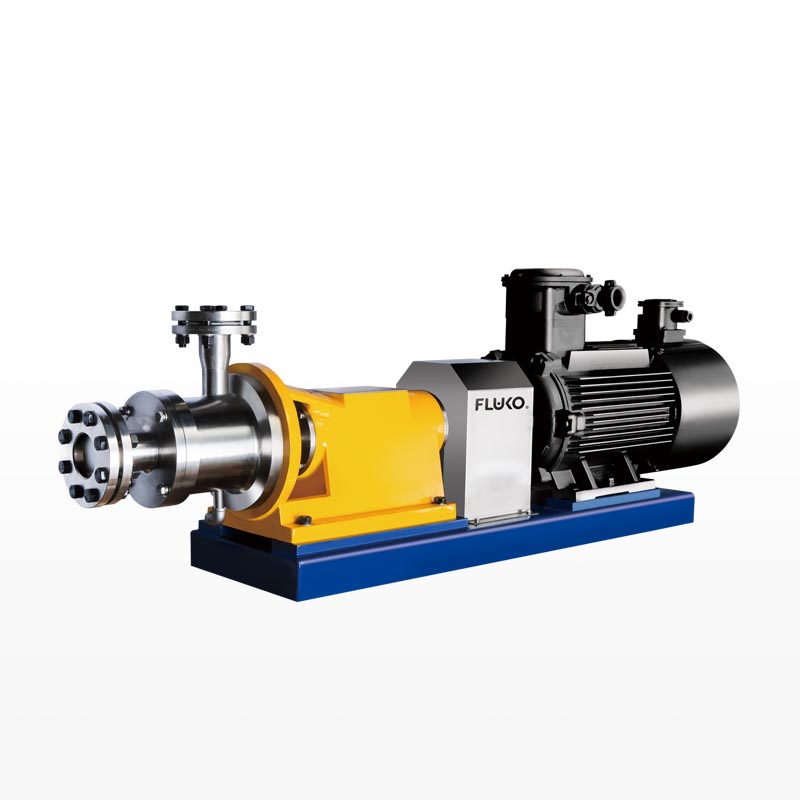
You want a mixer that solves a real mess—not one that looks good on paper and fails on day one. Start by naming the failure mode you’re trying to stop: lumping, long settle times, overheating, inconsistent droplet size. If your line needs continuous homogenization, ask how an inline high shear mixer will behave at full plant flow, not just at bench scale. Call out the worst-case feed (highest solids, highest viscosity) and insist the vendor demonstrate performance there.
What problem are you solving for product quality?
Don’t talk horsepower; talk result. Ask for target metrics: mean droplet diameter, Dv(90), particle-size distribution, and acceptable viscosity range. Demand sample-to-sample repeatability figures and ask how they’ll verify them on your product, not on a generic lab fluid. If emulsions break under heat or shear, that’s a red flag—specify stability time and test conditions up front.
Flow, residence time and scale-up traps
Mismatched flow kills performance. Ask how the mixer’s residence time and shear zone scale with your flow range. Vendors sell single-point numbers; push for a performance map across flow and viscosity. If you plan to move from lab to production, require a scale-up plan that keeps tip speed and energy density consistent. If continuous duty is your plan, confirm the pump capacity, bypass options and whether the machine needs a pulsed feed to avoid channeling.
Materials, seals and cleanability that won’t surprise you
Materials choices solve corrosion and contamination problems before they start. Ask which alloys contact product, what surface finish (Ra) is delivered, and which gaskets and seals are offered for CIP and SIP. Get a clear statement on cleanability: can the unit be stripped fast? Are there dead legs? Require measurements for residue after a CIP cycle when hygiene matters.
Controls, monitoring and maintenance realities
Control panels should report the metrics you care about—torque, motor current, temperature, and in-line pressure. Ask how alarms are set and what happens on overload: does the rotor stall or ramp down? Confirm spare-part lists and lead times; long waits for rotors or custom seals translate into lost production. Ask for a maintenance plan and expected MTBF based on similar installations.
Performance validation: what to insist on
Ask for raw test data. Particle-size distributions, viscosity curves, and process photos for your formulation—run at your worst-case conditions. Insist on a pilot or factory acceptance test when feasible, and define acceptance criteria before the run. If the supplier won’t run your product or provide raw data, that’s a sign the vendor’s confidence is limited.
Common mistakes I see teams make
They over-spec power, under-spec seals, and treat vendor datasheets as guarantees. They buy for lab convenience, not production reality. They forget thermal effects: high shear creates heat fast. They skip spare parts agreements and then scramble when a rotor erodes. Ask for scenarios and remediation steps for each likely failure.
Alternatives and when they make sense
Static mixers are great for low-viscosity blending with no moving parts. High-pressure homogenizers can give very fine droplets for dairy or biotech but need different maintenance and higher energy. Ultrasonic homogenizers work for small batches and delicate thermolabile products. Match the technology to the failure you named—don’t pick the flashiest option.
Experience and evidence—how to verify claims
Engineers value demonstrated runs and third-party tests. At ACHEMA in Frankfurt, procurement teams and process engineers compared vendor data side-by-side and asked for real product runs with an inline homogenizer mixer on the bench, which exposed gaps between lab claims and production behavior. Ask for references in your industry, copies of acceptance-test reports, and details of any independent lab work—those artifacts prove the vendor’s claims.
How to turn questions into a purchase that works
Write the problems down. Convert each into a test or acceptance criterion. Require the supplier to run your worst-case feed at target throughput, provide raw data, and list spares plus service response times. When procurement wants a short checklist, this one keeps you out of reactive firefighting and into predictable operation. That practical documentation and accountability is the sort of real-world support buyers find with FLUKO.
