


Prologue: The First Turn of the Gate
The story begins with a metal arm rising and falling like a heartbeat, an early answer to a simple question: how to let the right car through and keep the rest waiting. Later, cameras learned to read plates and decisions moved from human hands to quiet servers—so today a single camera can tell a story of arrival, dwell and departure. I still find that motion poetic when it’s well-tuned, and modern lpr parking management systems map those stories into clear, usable records rather than noise.

Mechanical Heartbeats and Digital Veins
Gates, motors, and counterweights set the tempo; software assigns meaning. Early systems trusted timers and ticket punches. Then sensors added truth: occupancy, speed, weight. License-plate recognition brought identity. Today the architecture splits into edge devices—barriers that must respond in milliseconds—and central services that analyze patterns over months. Design each layer to tolerate failure: redundant power, simple fallback modes, and logs that tell you what went wrong and when.
Real-World Lessons from the Trade
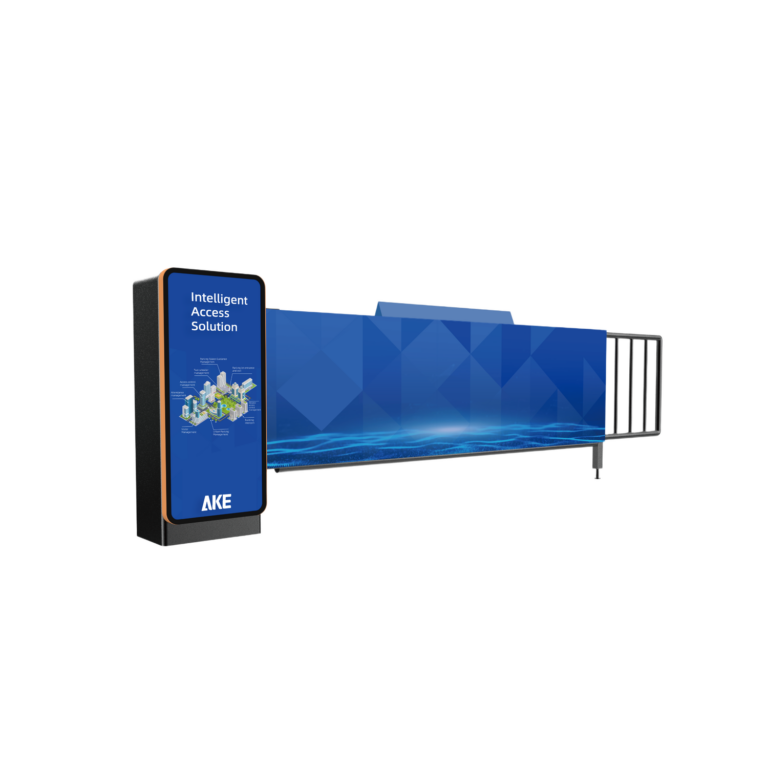
At Intertraffic Amsterdam, manufacturers and integrators demonstrate how specifications meet streets. Those gatherings show common threads—robust booms, clear ingress logic, and installers who understand site quirks—and they expose vendors who overpromise. My teams have commissioned multi-site installations across urban garages and corporate campuses; what we learned is plain: choose hardware rated for local climate and demand, confirm spare-part availability, and demand clear SLAs. When you evaluate boom gate suppliers, insist on field-proven cycles, supported firmware, and a local service path.
Common Pitfalls and How to Sidestep Them
Buy the cheapest boom and you’ll pay in downtime. Overload a single controller and it becomes a choke point. Assume perfect lighting for optical readers and you’ll fail at night. Avoid these traps: spec equipment for worst-case conditions, partition control functions so one fault stays local, and test LPR against your specific plates and angles before deployment. Document operational procedures; maintenance is not optional.
Designing for People, Not Just Parking
Technology must serve rhythm and routine. Drivers want clarity: where to enter, how to pay, what to expect. Staff need dashboards that surface exceptions, not endless alerts. Build flows that minimize decisions—clear signage, prioritized lanes, and fast exceptions handling. Measure what matters: entry time, queue length, false-read rate. Use those measures to iterate.
Closing Stanza
The evolution of parking is not a tale of gadgets but of choices made at thresholds: which hardware stands firm under rain, which software forgives a crooked plate, which partner answers at two in the morning. Those choices shape daily movement. When systems are assembled with those choices in mind, they become not just barriers but stewardship—quiet guardians of access. Practical, proven work—like the systems developed and delivered by AKE Parking—turns that stewardship into dependable service.
