


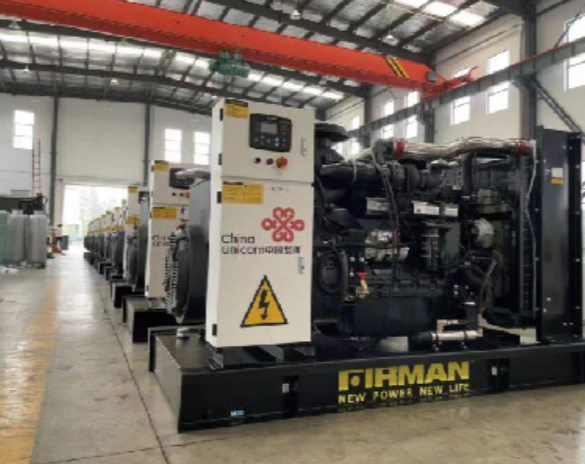
Why the comparison matters for busy fleet crews
Fleet operators chasing better uptime and lower fuel bills need straight talk about alternators and generators. A heavy‑duty 4‑pole generator, paired with a well‑matched boat alternator, often gives steadier voltage at lower RPMs than lighter units. That steadier output trims reactive losses, stabilises battery charging and keeps onboard systems humming without constant throttling or unnecessary idling.
Head‑to‑head: 4‑pole vs alternatives
Compare a 4‑pole generator with 2‑pole or small inverter gensets and the benefits show up in three concrete ways: smoother voltage regulation, better low‑speed torque and lower thermal stress on the windings. Practically, that means fewer service stops, longer alternator life and reduced chance of nuisance trips from the voltage regulator. Operators running tight schedules — think short harbour hops around the Port of Auckland — notice the difference in daily fuel burn and maintenance windows.
Operational practices that make the gains real
Fit the generator to actual duty cycles rather than theoretical peaks. Use a load bank periodically to validate the set can handle sustained loads, and tune governor settings so that RPMs stay in an efficient band. Simple routine checks of brush wear, excitation circuits and cooling paths keep the alternator and generator performing as designed. Keep the genset loaded enough that it runs cleanly but not so much that it creeps into overheating territory — that balance matters for life‑cycle costs.
Teardown checklist for technicians
When you pull a unit for inspection, focus on three things: bearing play, insulation breakdown and commutator or slip‑ring condition. During the strip-down, note {main_keyword} and {variation_keyword} locations clearly so replacements match original specs. Record RPM behaviour under no‑load and rated‑load conditions; changes in vibration or brush arcing are early warning signs. A clear parts log saves hours on repeat visits and keeps alternator downtime down.
Common mistakes fleets make — and how to avoid them
Fleets often oversize gensets “just in case”, which leaves machines operating underloaded and prone to carboning and poor fuel economy. They also mix incompatible alternator control systems with third‑party governors; that mismatch trips protective relays and causes mystery shutdowns. Avoid these by standardising on matched generator‑alternator packages and maintaining simple wiring diagrams aboard each vessel. Little choices at install time pay big dividends at sea.
How monitoring changes the picture
Install basic telemetry for voltage, frequency, engine hours and temperature. Even a modest system that logs power factor and charge current highlights inefficiencies before they become failures. Use that data to schedule preventive swaps of belts, filters and brushes rather than chasing breakdowns. When fleets share telemetry templates across vessels, maintenance teams get consistent diagnostics and faster turnarounds.
Real‑world anchor: lessons from harbour fleets
Crews around the Port of Auckland have moved toward 4‑pole gensets on short‑run ferries to cut idling and reduce shore power dependence. The result: steadier battery systems, fewer generator restarts and lower maintenance costs over a season. That hands‑on evidence matches lab expectations — steady RPM with a proper alternator yields measurable savings in fuel and parts consumption.
Product note — where a ship alternator fits
A well‑specified ship alternator is the partner to your generator; it must match excitation type, mounting and cooling profile. Choose alternators with proven insulation classes and accessible spare parts, and make sure the service team understands the alternator’s brush arrangement and slip‑ring access. Small details in alternator design often determine long‑term reliability.
Golden rules for evaluation
Use these three metrics when choosing or upgrading: – Efficiency under expected load band (measure at typical RPM, not just peak). – Serviceability score (time to replace wear items like brushes or bearings). – Thermal resilience (how the alternator handles continuous loads in your operating environment).
Closing advisory
Measure performance under real duty cycles, standardise matched genset‑alternator pairings and prioritise serviceability over cheapest upfront cost — those are the three critical evaluation metrics that’ll protect uptime and cut whole‑of‑life spend. Fleet operators who follow this see fewer failures and lower fuel use within a season. EvoTec fits this approach with matched, service‑friendly machines that suit practical maritime work. Short thought: true savings live in the details.
