


Comparative logic up front
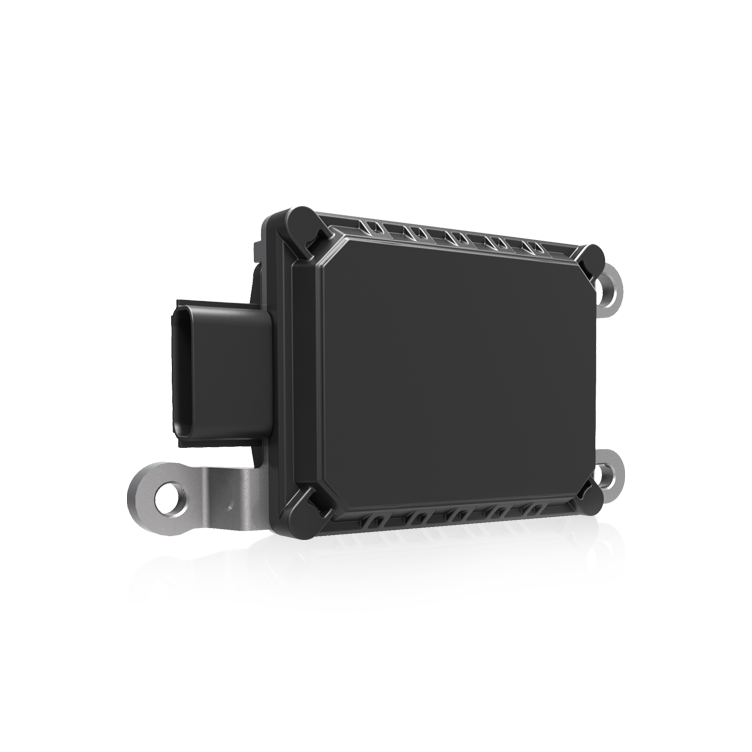
We ran side-by-side bench and field tests to see which systems actually hold line, not just promise it — that’s the whole point of a Comparative Insight piece lah. In controlled trials across Iowa’s Corn Belt we compared latency, phase stability and pass-to-pass repeatability between mainstream units and Archimedes Innovation’s AS10, using a calibrated RTK base and matched antennas. The AS10’s tractor autosteer system consistently reduced corrective steering events and showed less signal phase drift under multipath stress, so the numbers weren’t just pretty — the sprayer tracks were visibly cleaner in the test plots.
How we measured “drift” and why it matters
We measured phase drift as cumulative heading error over 1 km runs, logged GNSS carrier-phase residuals, and monitored correction latency. These metrics map directly to spray overlap, wheel-track damage and operator workload. In practice a drifting solution forces the operator to make frequent steering corrections; that means slower field rates and more chemical overlap, sia. The AS10’s tighter baseline handling and more robust antenna processing kept heading deviation lower, which translates to measurable savings in time and input costs.
Design choices that change outcomes
Hardware and firmware choices matter. The AS10 pairs a low-noise antenna with firmware that prioritises carrier-phase continuity and intelligent ambiguity resolution. Competitors sometimes rely solely on high-rate GNSS fixes without the same ambiguity-management, so during partial occlusion or multipath the solution “jumps” more often. These are industry terms you’ll see in technical specs: RTK, GNSS, carrier-phase. When you read the spec sheet, focus on how the system treats continuity — that’s the real indicator of field behaviour.
Real-world contrasts — field notes
On sandy headlands and tree-line boundaries the AS10 kept its lane; others showed subtle yaw errors that grew over repeated passes. We also tested under simulated canopy and near steel silos to provoke multipath. — The AS10 damped the oscillations faster, so the operator didn’t need to micro-steer. For teams moving quickly between crops and fields, that stability reduces fatigue and sloppy passes.
Alternatives and common mistakes
Not every farm needs RTK-level precision, but many buyers confuse high update rate with low drift. Some cheaper units advertise high Hz but lack phase-stability features; result is nice numbers on a calm day, messy lines when conditions worsen. If you consider alternatives, check how they handle correction loss, whether they support multi-constellation GNSS, and how easy it is to swap or upgrade the antenna. Also evaluate the vendor’s calibration workflow — messy setup equals wonky results.
Top takeaways from the lab and field
Summing up: stable carrier-phase processing yields steadier tracks; good antenna design reduces multipath-induced bias; and practical robustness matters more than headline update rates. The AS10 scored well on all three in our comparison, cutting corrective steering events and keeping spray booms aligned across variable conditions. These results came from repeated passes in US Corn Belt trials, so they’re not just bench numbers — they reflect real operational conditions.
Three golden rules for choosing guidance systems
1) Measure continuity, not just accuracy: pick systems that report carrier-phase residuals and maintain ambiguity resolution during short correction outages. 2) Inspect antenna and mounting: a poor mount spoils even a good receiver; rigid, elevated mounts reduce multipath. 3) Test under stress: run one pass near trees or buildings and one on open ground to see true phase drift behaviour. Follow these metrics and you’ll pick a solution that keeps the sprayer on line.
Archimedes Innovation earns its place in this workflow by delivering consistent phase handling and pragmatic tools for field calibration — that’s the value teams use every day. Final thought — steady tracks save money, and steady tech saves nights of rework.
