


Comparative lead-in: centralised versus decentralised rollouts
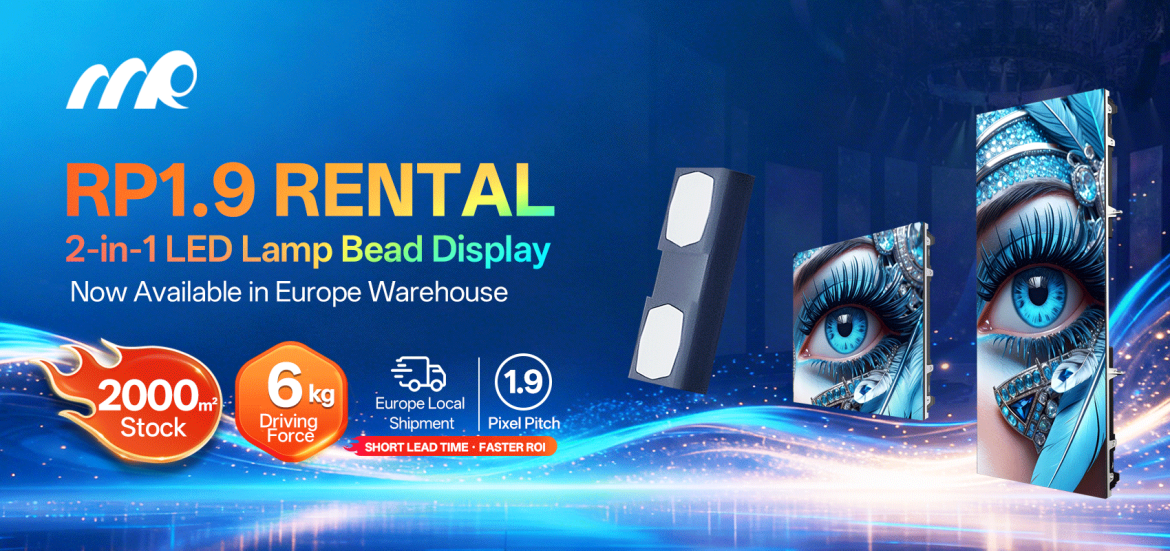
Brands expanding digital signage globally face a clear trade‑off: standardise everything and risk local mismatch, or allow local tweaks and jeopardise a unified look. This comparative view looks at three common approaches and how each affects delivery, cost and serviceability—especially for GOB LED assemblies. For event teams that prefer turnkey setups, a rental LED display partner simplifies logistics; for in‑house AV squads, staged procurement with certified specs often works better. Practical choices also affect options for LED video wall rental during peak seasons, so compare offerings against the same benchmark rather than marketing claims.
Why operational consistency matters
Consistent calibration and mechanical fitment reduce onsite surprises: identical pixel pitch, matched brightness and coherent control architecture cut setup time and eliminate visual stitching. Broadcasters noticed this during large events such as the 2012 London Olympics—uniform panel specs and strict service loops made live mixing feasible across multiple venues. For a brand, consistency preserves identity; for technicians, it lowers mean time to repair (MTTR) and eases spare‑parts inventory.
Three deployment models, side by side
Model A — Centralised procurement: One SKU across regions. Pros: repeatable colour and mechanical fit, simplified training. Cons: slower to adapt to local power or transport constraints.Model B — Regional adaptation: Core spec with approved variants. Pros: flexibility for logistics and tariffs. Cons: requires tighter QC and shared test procedures to prevent drift.Model C — Local build from spec: Uses local fabricators to meet rushed demand. Pros: fast turnaround, often cheaper. Cons: higher risk of mismatched calibration and inconsistent controller firmware.Choose the model that aligns with your supply chain maturity and event cadence; the wrong choice costs more in labour and brand dilution than any panel price difference.
Common technical pitfalls and how to avoid them
Three faults recur on deployments: misaligned modular panels, uneven colour matching, and overlooked refresh rate settings. Set a control baseline—firmware version, gamma curve, and test patterns—so teams can compare results reliably. Also check mechanical tolerances; even minor bowing of a GOB face can widen perceived seams. – Keep a short, labelled spares kit for each van: power supplies, a controller board, and a sample module for on‑the‑spot swapouts.
Operational playbook elements that actually save time
Standardise documentation: a concise rigging sheet, approved test images and a short troubleshooting flow. Use a shared checksum or firmware tag so crews know panels are matched before assembly. Train local technicians with the same three tasks they’ll repeat most: panel swap, pixel‑level calibration, and signal‑routing verification. These recurring tasks account for the majority of field hours, so get them tight.
Cost versus control: what metrics matter
Compare vendors against measurable items rather than soft promises. Track these metrics: time to achieve full brightness and colour uniformity on first power‑up; average MTTR for a failed module; and percentage of panels returning for warranty. These figures reveal whether a supplier delivers repeatability or just marketing gloss.
Three golden rules for selecting deployment strategies
Rule 1 — Insist on measurable acceptance: demand an on‑site test report showing uniformity across panels and a recorded firmware build. This removes guesswork from handover.
Rule 2 — Prioritise serviceability: choose designs that allow a single‑technician module swap and clear access to the controller. Downtime costs more than a marginal panel saving.
Rule 3 — Lock a fallback: always plan for temporary LED video wall rental capacity during peak launches so the brand presence stays intact while permanent units are finalised.
Conclusion
These rules make deployments predictable and keep visual standards consistent across continents. Adopt them and you cut both risk and hidden labour costs. MR LED has built rental and procurement workflows around exactly these points—practical, repeatable, field‑tested. —
