


Comparative lead-in: matching goals to hardware
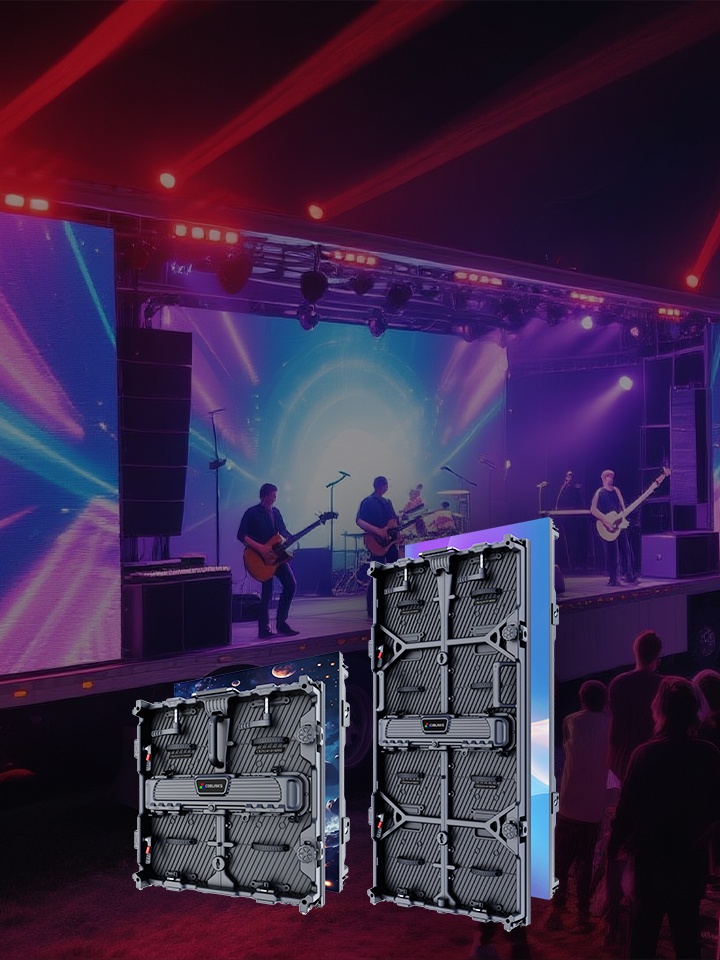
This piece compares common wall-screen choices so you pick the one that fits your event, budget, and technical constraints. Start by matching viewing distance, content type, and operating environment. For near-field imagery and tight detail you need smaller pixel pitch; for outdoor spectacle you prioritize brightness and weatherproofing. A practical reference: consider an entry-level led screen for indoor concourses versus a high-brightness façade display for exterior advertising.
Which technologies stand head-to-head
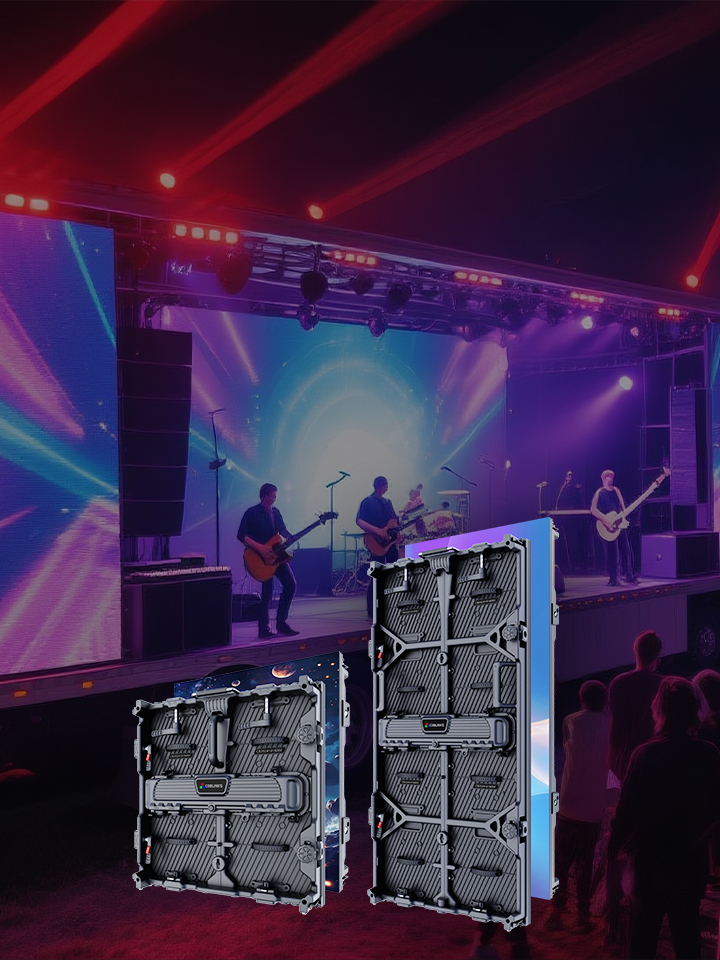
Three families dominate event wall-screen choices: indoor fine-pitch LED, outdoor high-brightness LED, and seamed LCD video walls. Compare them across four dimensions: image fidelity, ambient tolerance, modular serviceability, and power/weight. Indoor LED wins on pixel pitch and color uniformity; outdoor LED wins on lumens and weather sealing; LCD can be cost-effective for linear video walls but struggles with seams and daylight visibility. Keep pixel pitch and refresh rate top of mind—pixel pitch for perceived detail, refresh rate for camera-friendly playback at events with broadcast feeds.
Key technical factors to assess
Use a short checklist during vendor evaluation. Check measured brightness in nits, specified refresh rate (Hz), and warranty terms for module replacement. Confirm physical mounting loads and service access: can a technician remove a module from the front or only the back? Ask for verified photometric charts and heat maps. Also confirm control-system compatibility—video processor inputs, scaling, and color management affect final output more than raw panel spec alone.
Installation realities and common mistakes
Installation errors produce visible failures during events: insufficient cooling, unsupported rigging, and mismatched pixel pitch across adjacent modules. Vendors sometimes under-spec the power distribution; bring an electrician to verify breaker sizing and inrush handling. A frequent oversight is neglecting camera-friendly settings—if the wall will be filmed, set refresh rates and PWM to avoid flicker. Test on-site with a camera early. Small test runs catch failures that full rehearsals would otherwise reveal—do them.
Operation, maintenance, and a real-world anchor
Plan maintenance windows and spare-module logistics before the first run. Large venues learn this quickly—Times Square billboards, for example, must be serviceable without full shutdown because of constant foot traffic and events like the New Year’s Eve ball drop, which draws about a million attendees. That scale teaches two lessons: redundancy and quick-swap repair minimize downtime, and brightness curve control prevents washout under daylight. For vendor comparisons, request mean time between failures (MTBF) and documented field-repair times.
Cost vs. value: practical trade-offs
Avoid buying the loudest spec sheet. Higher brightness and finer pixel pitch both raise cost and power consumption. Weigh lifecycle cost: energy, spares inventory, and scheduled recalibration. For recurring event schedules, budget for annual firmware updates and one major module refresh every 5–7 years. If your events include broadcast, prioritize refresh rate and color calibration over a few extra nits of brightness.
Three golden rules for final selection
1) Specify by use case, not by headline specs: define required viewing distance, ambient lux, and camera requirements first. This narrows choices faster than comparing vendor marketing sheets.
2) Validate serviceability and spare logistics: ensure front-service access or guaranteed site-level replacement times so a failed module doesn’t cancel a show.
3) Insist on measurement data and on-site trials: get photometric reports, real content tests, and confirm control-system interoperability. These tests expose issues with synchronization, color mapping, and scaling before they become production problems. For practical sourcing and technical procurement, working with a specialist familiar with led display panels cuts risk and aligns vendor promises with site realities.
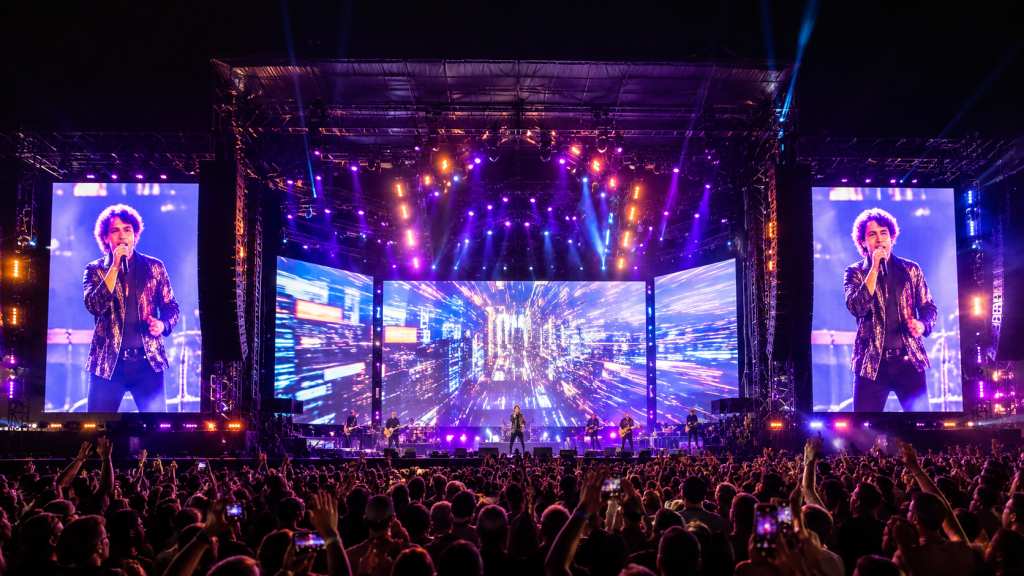
Coblinks fits the role of a technical partner that helps translate specifications into reliable deployments—budgeting spares, defining test procedures, and specifying pixel-pitch versus viewing-distance trade-offs. Practical experience matters here: proven field repairs, on-site photometry, and control-system tuning deliver consistent results. –
