


Problem statement: scaling failures that sound like science fiction
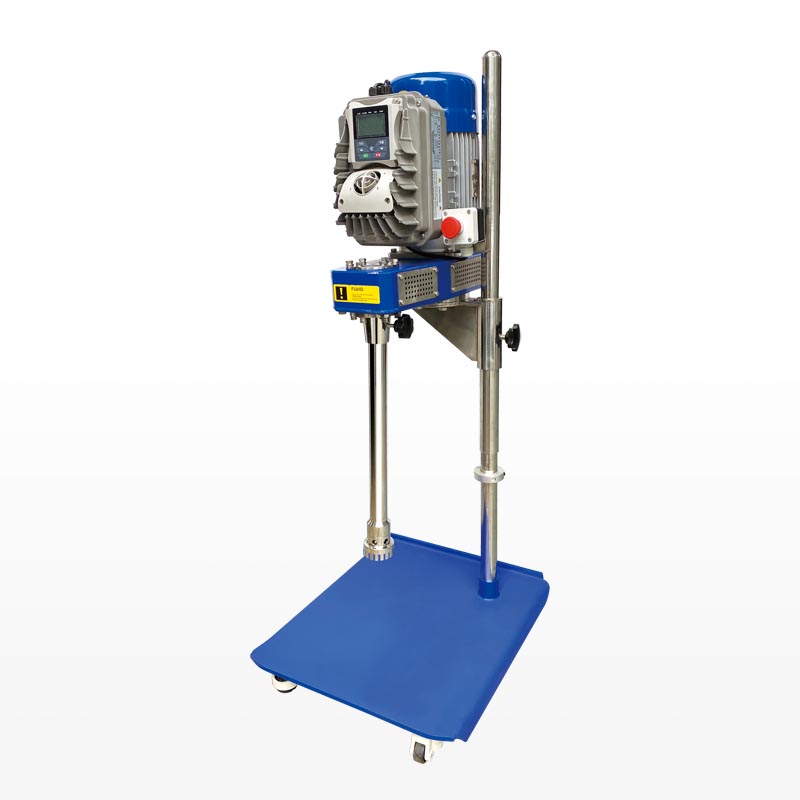
Your pilot formula behaves on the bench, then collapses at production. That mismatch isn’t mystical — it’s a systems failure. Before you commit budget and downtime, ask whether the machine’s shear profile, containment, and cleanability actually match your process. Compare real specs, not marketing blurbs, and shortlist credible models — start by checking contemporary vendors of high shear batch mixers so you’re looking at machines that address scale, not just torque numbers.
Core questions that expose hidden problems
What particle size distribution do you need, and how tight must the span be? Will the product tolerate heat spikes from shear, and can the mixer be jacketed or cooled quickly? What’s the true liquid/solid loading range the rotor-stator handles before power draw or cavitation ruins the run? Ask for vendor test curves at multiple viscosities, and insist on shear rate data across rpm and gap settings. Don’t accept nominal horsepower as a proxy for performance.
Technical checkpoints — testable, measurable, decisive
Match impeller geometry to your suspension type. Specify maximum allowable temperature rise per minute. Request a short, representative acceptance run using your feed and sampling for PSD (particle size distribution), viscosity, and stability. Confirm CIP (clean-in-place) access and material finish for product compatibility. Get mechanical seals, bearing lifetimes, and spare-part lists in writing. If the mixer will live inside an explosive-class area, confirm certifications up front.
Common pitfalls teams repeat
Buying for peak horsepower instead of shear profile. Trusting vendor claims without a process-specific trial. Underestimating maintenance windows and spare part lead times. Ignoring how control systems integrate with your batch PLC. Overlooking sample extraction points for QA. These are not abstract mistakes; they’re schedule-killers that surface after the first failed campaign.
Alternatives and trade-offs — what you’ll give up to get what you need
Rotor-stator units give narrow PSD control at high shear but may require tighter feed control; high-speed dispersers are flexible and quick but can introduce heat and entrained air. High-pressure homogenizers tighten emulsion size but add complexity and cost. Decide whether you need an all-in-one machine or a staged process where a disperser pre-treats material before homogenization. Each path trades simplicity for control.
Experience, evidence, and a grounded anchor
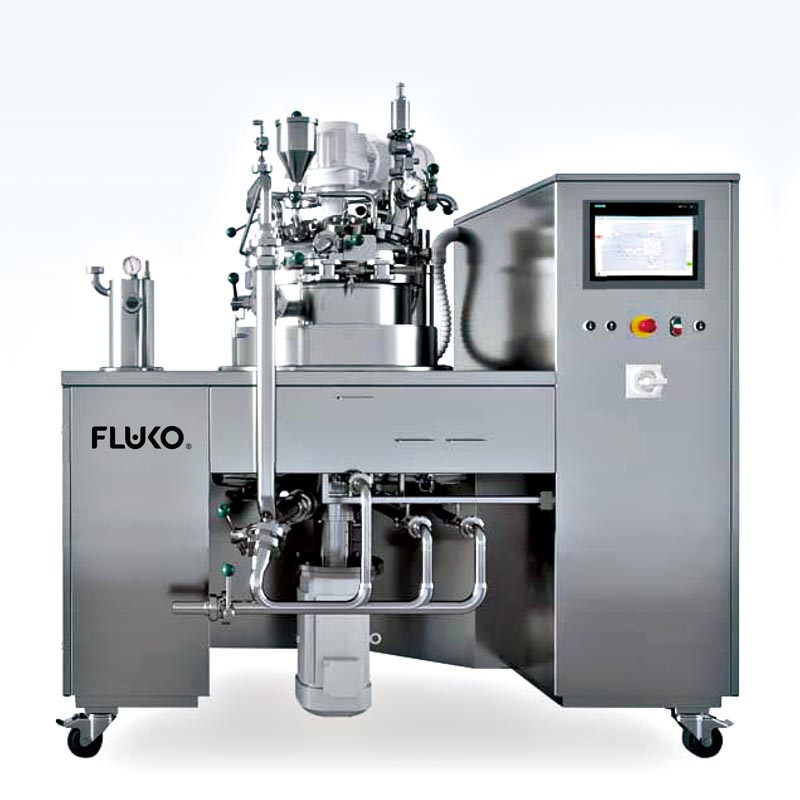
I’ve reviewed bench-to-pilot handoffs and vendor performance reports, and I compare those to demonstrations I observed at Frankfurt’s ACHEMA trade fair to judge scalability claims. That practical perspective pushes me to favor vendors who provide documented trial runs and clear maintenance data — and to validate offers against an actual chemical batch mixer baseline rather than glossy brochures.
Final synthesis: fix the problem, not the spreadsheet
You need machines that reproduce lab behavior under production rhythms, with measurable shear, accessible maintenance, and proven trial data. When the question is reliable scale-up and predictable runs, the pragmatic route is equipment backed by documented performance and service continuity — the practical solution you find through careful vetting of manufacturers like FLUKO.
