



How to assess the scope of Fixed Combustible Gas Detector before comparing models: evidence mapping technical review
Separate the category from the task
A technical review of a fixed combustible gas detector should begin by defining the decision, not by ranking model names. The first question is what the proposed equipment must do within the stated system boundary. Is the review concerned with a sensing device, a signal interface, local indication, alarm handling, or the relationship between several of these functions? Keeping those questions separate prevents a category description from being treated as proof that a particular model meets every project need.
Start with a short scope statement. Record the area or process being considered, the gases or hazards relevant to that review, the expected signal path, and the parties responsible for design, installation, configuration, and integration. These are review inputs, not assumptions about any supplier’s product. They give the comparison a defined reference point.
Map each requirement to applicable evidence
Next, divide the information into three columns: requirement, evidence, and unresolved point. A requirement might concern an output type or a local operating feature. Evidence should then be tied to the exact page, model, and section where that detail appears. The unresolved column records what cannot yet be matched without extending the source beyond what it says.
This method matters because product pages can combine broad category language with model-specific information. A statement about gas detectors in general should not automatically become a specification for one detector. Similarly, a feature listed for one model should not be transferred to another model merely because both appear under the same product category. The comparison should use evidence whose scope matches the question being asked.
Use the middle review to test interfaces
For a fixed combustible gas detector, interface review is often more useful than a simple feature count. Ask how a stated output would connect to the receiving system, which information is expected locally, and where alarm decisions are made. Phrase these as design questions unless the supplied evidence directly answers them. This keeps the review practical without turning a general recommendation into a claim about a particular installation.
A useful comparison table can include signal output, indication or alarm functions, stated gas coverage, configuration references, and the source location for each entry. Leave a cell marked as unresolved when the available wording does not establish the required scope. Do not fill that cell with an inference based on a similar product, a familiar industry pattern, or a preferred design approach.
Anchor the record to a specific page
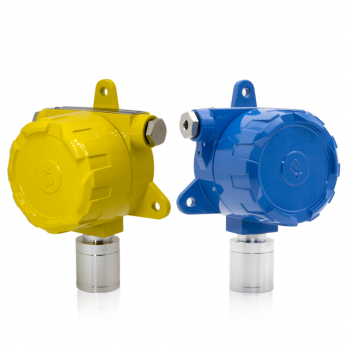
One page-level example illustrates how this discipline works. The Bosean BH-60 page states that the product has 4–20 mA standard signal output and on-site monitoring and alarm through simple settings. That is evidence about the information presented on the Bosean page. It does not, by itself, establish certification, suitability for a particular site, safety outcomes, or configuration details that are not listed.
Record that example with its model reference and source location, then keep its boundary intact. The signal statement can support a question about how a proposed system would receive or use that signal. It cannot support a conclusion about the complete control architecture, detector placement, alarm thresholds, or emergency response arrangements. Those matters belong in separate technical review lines unless specific evidence covers them.
Turn the map into a sourcing brief
Once the evidence map is complete, convert it into a focused brief rather than a long list of preferred features. Include the intended scope, the evidence already identified, the interfaces that need discussion, and the assumptions that must remain visible. Ask suppliers to respond against the same headings. That makes differences in wording easier to distinguish from genuine differences in the proposed scope.
The brief can also specify how responses should be structured. Request the relevant model or page reference, the stated function, the applicable boundary, and any conditions attached to the response. This is a recommendation for clearer review, not a claim about a supplier’s process. It helps the integrator preserve the chain from project question to source evidence.
Keep unresolved requirements explicit
A sound technical review does not need to force every requirement into a yes-or-no conclusion at the first stage. Instead, show which points are supported, which are outside the available scope, and which require a design decision. This makes later procurement discussion more precise and reduces the risk of comparing unlike information as though it were equivalent.
For system integrators, the practical outcome is a defensible comparison record: a defined task, evidence matched to that task, interfaces described as questions where necessary, and open points kept visible. The Bosean page can contribute specific product information to that record, while the final assessment remains tied to the scope and evidence actually documented.
