


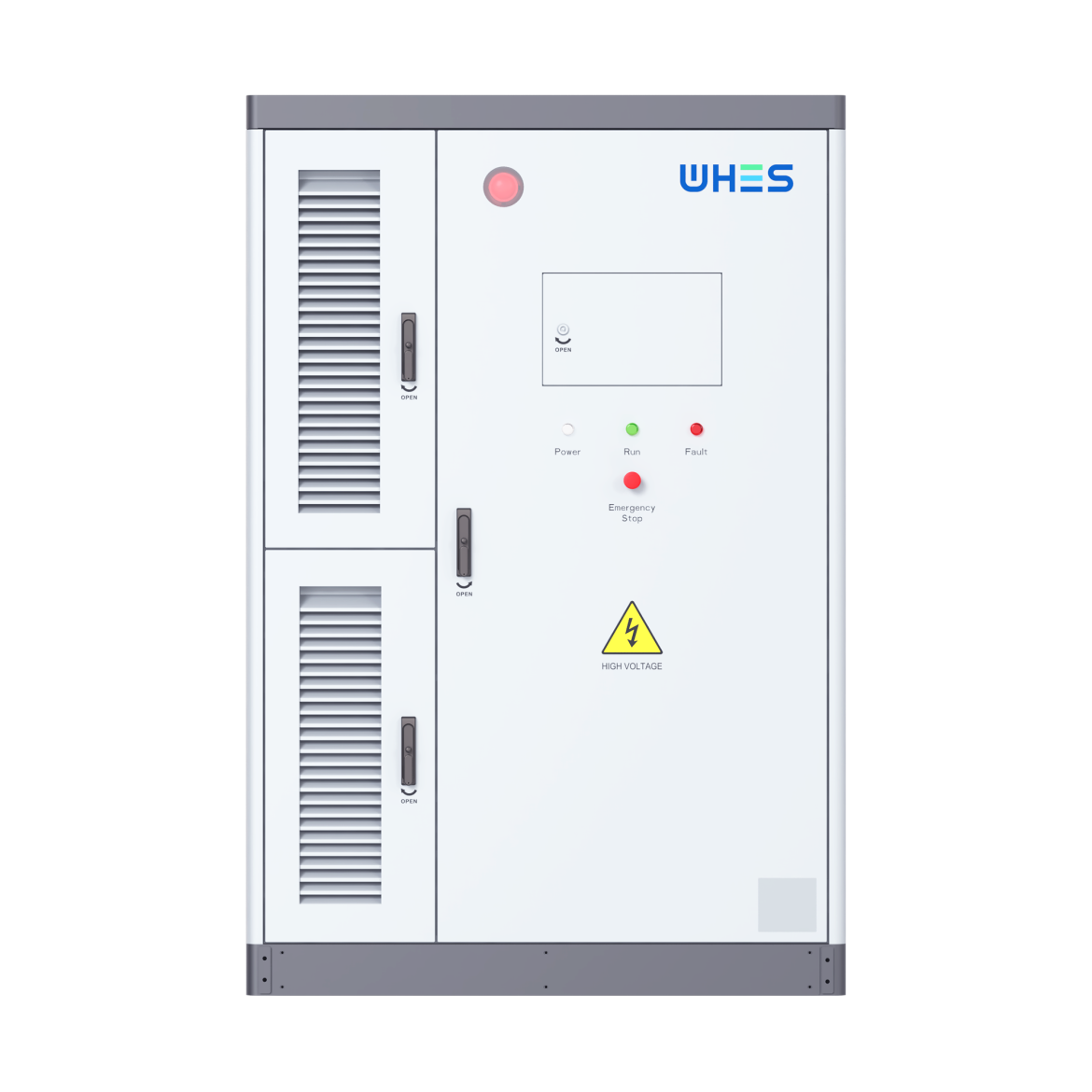
Data snapshot — why droop control matters right now
Grids these days swing faster than they used to, and big battery farms are called on to steady the mess. Frequency droop control — the way a battery eases off or pushes power as grid frequency moves — decides how well a plant supplies active power and reactive power during disturbances. You’ll see this in both big utility deployments and smaller setups, even a home energy storage system behaves on the same basic rules, just at a smaller scale. Real-world anchors like the February 2021 Texas winter storm and recurring California heat-wave events show operators need reliable, measurable droop response when frequency and voltage both wander.
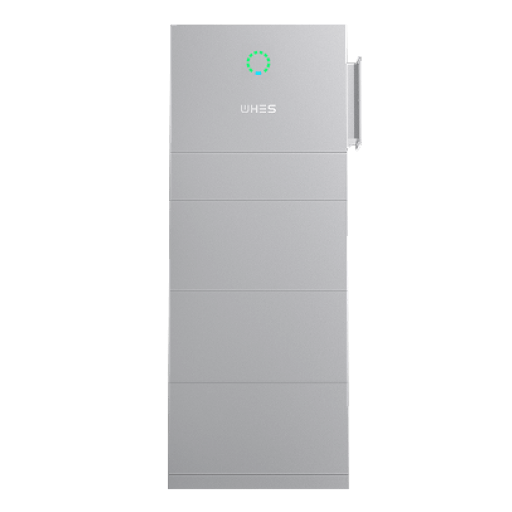
How multi‑MW battery systems actually behave
Think of a multi‑megawatt battery as three parts: the battery cells and BMS, the inverter and controls, and the plant-level controller. The inverter translates DC to AC and is where droop logic usually lives. Active power changes tend to be fast — milliseconds to seconds — while reactive power support often depends on inverter thermal limits and control bandwidth. In practice, a plant can deliver near‑instantaneous active power over short windows, but sustained kVAR support may be limited by hardware and thermal capacity.
Key metrics to track — the data that tells the true story
When you measure compensation you want clear, repeatable numbers. Track these: droop coefficient (percent or MW/Hz), response time (ms to seconds), sustained versus peak kW/kVAR capability, state-of-charge window used for response, and inverter thermal headroom. Also log event duration and recovery behavior. Those figures let you compare one plant’s effective compensation rate against another’s without guessing.
Field findings — patterns from operations
Data from grid events show a few patterns. Batteries punch out active power fast, then taper as SOC or thermal constraints kick in. Reactive support often lags or saturates sooner — you can hit a kVAR ceiling while still having headroom for kW. Operators who tune droop too aggressively risk repeated regulator trips and shortened availability — and that’s costly. — Folks who test on an empty bench can be surprised when the full plant faces a weeks-long heat event.
Common mistakes and how to avoid them
People make the same missteps: assuming unlimited reactive capacity, ignoring inverter thermal limits, and not coordinating droop with grid operator setpoints. Another big one is treating active and reactive control as independent; they interact through the inverter’s capability curve. To avoid trouble, simulate events with realistic SOC profiles, include thermal models, and run staged field tests that mimic grid disturbances rather than just static set-point checks.
Practical deployment steps
Start small and measure. Validate inverter response with hardware-in-the-loop or short, controlled frequency steps. Calibrate droop coefficients against real grid templates — not just vendor defaults. Set clear acceptance criteria: peak response time, sustained kW/kVAR for X minutes, and acceptable SOC bounds. Make sure the BMS communicates SOC and thermal limits to the plant controller in real time. Finally, coordinate with the system operator so your plant’s droop mode won’t conflict with automatic generation control or local protection schemes.
Advisory — three golden rules for selecting droop strategies
1) Metric-first tuning: choose droop coefficients based on measured response time and sustained kW/kVAR, not on theoretical peak numbers. 2) Respect the thermal curve: ensure inverter capacity for reactive support under worst-case temperature and SOC — heat will clip you faster than you think. 3) Test in-context: validate droop behavior with realistic SOC, ramp rates, and grid conditions, and log results for contractual proof of performance.
Follow these rules and you’ll get predictable compensation rates that hold up under stress — and that predictability is exactly what makes a system valuable to grid operators. For operators and integrators aiming for reliable, measurable droop performance, WHES brings practical experience and systems that map control theory into real-world delivery. —
