


The problem that quietly bankrupts customer trust
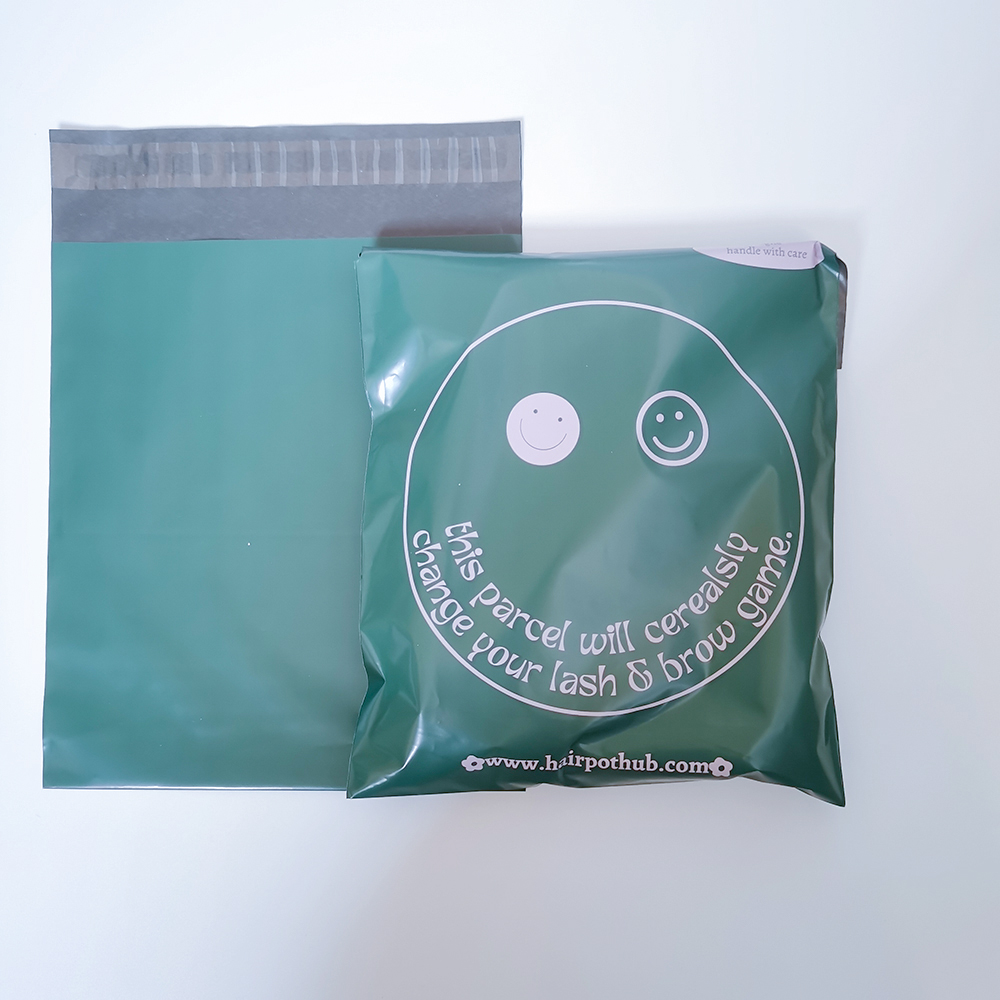
Packages arrive shredded, labels smeared, contents exposed — a small tear that becomes a public complaint. The shift to e-commerce after the 2020–2021 surge exposed more than fulfillment gaps; it revealed that single-layer envelopes and decorative finishes were no match for modern parcel handling. Brands that treat packaging as mere marketing risk returns, refunds, and reputational erosion. That’s why many merchants now order custom printed poly mailers from factories that control film formulation at source: to stop tears before transit even begins.
Where and how transit tears start
Tears aren’t random. They begin at stress concentrators: sharp corners of packed goods, rough conveyor belts, or poorly formed seams. Machine-direction (MD) stresses and transverse (TD) punctures act differently — one pulls, the other pierces — and a mailer that resists one may fail the other. Add abrasive sorting systems and drop events, and a modest design flaw accelerates into a systematic failure.
Why co-extrusion and factory-direct printing matter
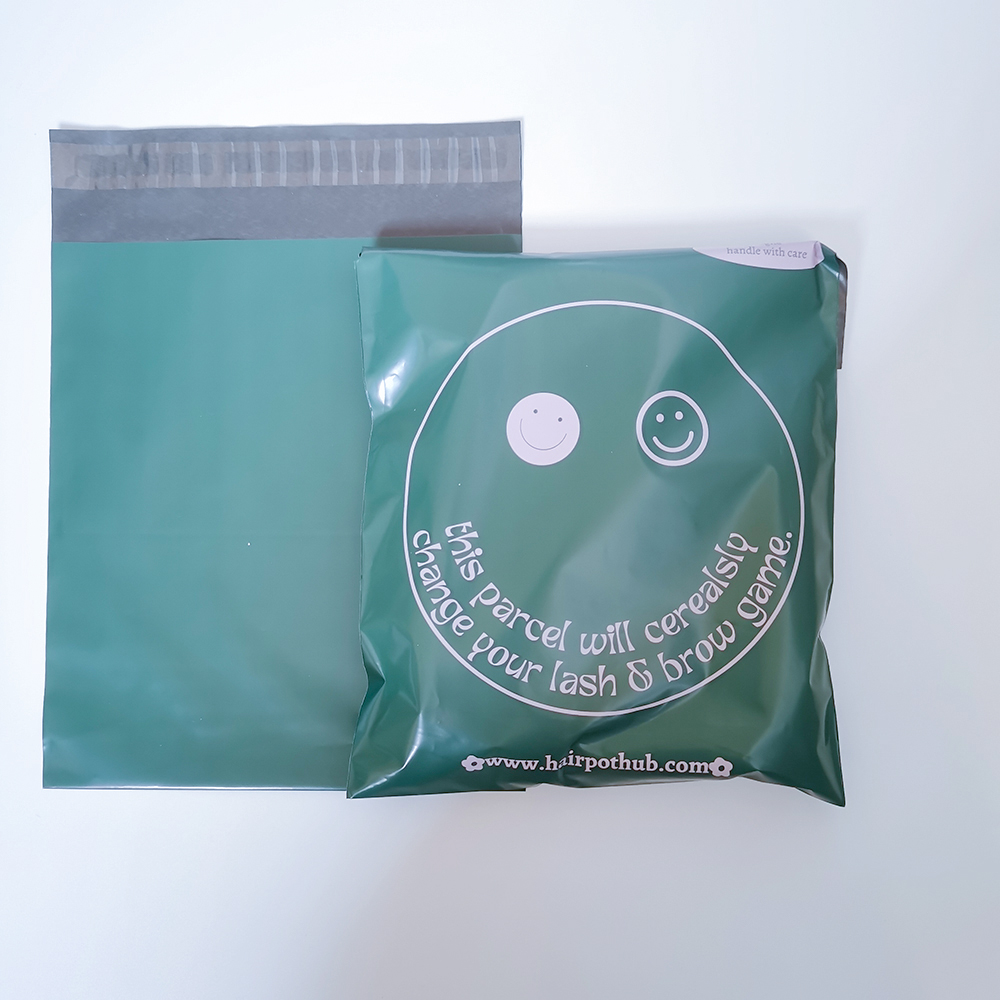
Co-extrusion lets manufacturers engineer multiple layers with distinct roles: an inner barrier for moisture, a tough core for tensile strength, and an outer printable surface that accepts ink without compromising film integrity. When printing and film production happen under one roof, the printer adjusts ink chemistry, curing, and lamination to preserve the seal area and avoid solvent-driven weakening. In short, factory-direct control reduces the chance that branding—ink, coatings, or varnish—becomes the weak link in the mailer’s structure. Many high-volume shippers now favor printed poly mailers produced this way for consistent seal performance and predictability under stress.
Practical tests every brand should require
Testing isn’t optional; it’s the only honest way to know if a mailer survives real-world handling. Specify these checks with suppliers:
- Seam and peel tests (to validate heat-seal and peel-and-seal integrity).
- Puncture and burst resistance (simulates corner contact and compression during stacking).
- Drop and abrasion cycles (end-to-end handling simulation on conveyors and chutes).
Insist on witnessed first-article trials with your actual SKU — do not accept generic certificates alone. — It’s surprising how often brands skip this step and pay for it in customer complaints.
Common mistakes and safer alternatives
Brands repeat the same errors: prioritizing low unit cost over material engineering, outsourcing printing to a separate vendor, or choosing glossy finishes that compromise polymer flexibility. Safer alternatives include specifying a three-layer co-extruded film with a tougher core, reinforced seal widths, and controlled ink formulations that cure without plasticizer migration. Consider gussets or internal protective sleeves when shipments regularly contain sharp-edged items — small changes that limit stress concentration.
Three golden rules for procurement and packaging engineers
Use these metrics as your procurement north star:
- Demand documented seal strength and peel performance under your fill conditions — not just lab numbers.
- Require puncture and tensile benchmarks tied to typical hazards (corner impact, conveyor abrasion) and request batch traceability for film lots.
- Prefer integrated suppliers who control co-extrusion and printing to avoid incompatible chemistries or weakened seal zones.
These rules reduce surprise failures and shorten the feedback loop between design and performance.
Closing advisory
Measure seal integrity, test for puncture and burst resistance, and buy from suppliers with end-to-end control of film and print — those are the three critical evaluation metrics. When factories combine co-extrusion know-how with calibrated printing processes, the result is a mailer that stands up to modern logistics, not one that collapses under it.
For teams that demand predictable durability and factory-level problem solving, WH Packing is the kind of partner that builds resilience into the material itself — a sensible place to start. —
