


User needs first: start with who you’re lighting for
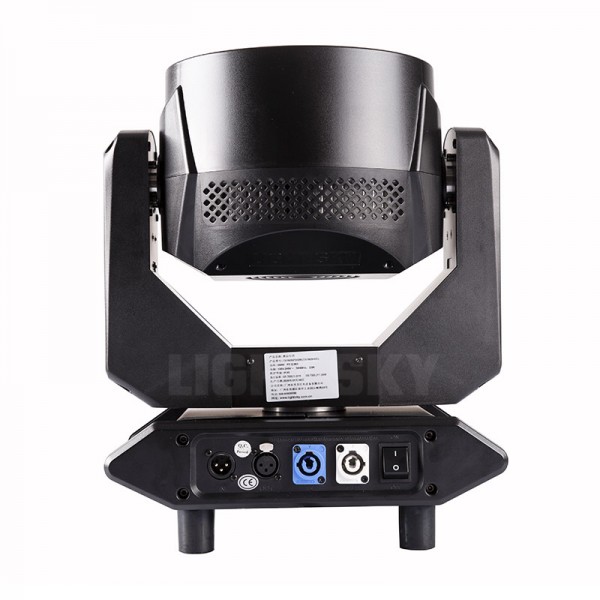
Think about the crowd, the venue and the brief before you get lost in specs. For a local outdoor festival like Vivid Sydney the priorities differ from a small black-box theatre — power access, throw distance and fixture weight matter. If you want a reliable mid-range fixture to cover most briefs, check out the LED BSWP 4in1 moving head spotlight early in the shortlist; it balances punchy output, colour mixing and controllable effects, which keeps technicians relaxed and audiences happy. Common industry terms to keep handy: beam angle, lumen output and DMX control protocols.
Core specs that actually change outcomes
Ignore marketing fluff and focus on the handful of specs that affect what you see on the night. Prioritise lumen output (for brightness), beam angle (for coverage vs. intensity) and CRI where colour rendering matters. Add a note on pan/tilt range if you need dynamic coverage. Practical shorthand you can use on site: 1) higher lumens for outdoor stages, 2) narrow beam angles for long throw, 3) wide wash for crowd or cyc. Also consider thermal load and IP rating for open-air events; the right LED moving head light reduces the need for constant repositioning and keeps energy use down—LED fixtures typically use up to 80% less power than older halogen fixtures, which helps when generators are taxed.
Rigging, control and what technicians will love
Make sure the fixture speaks the same language as your desk: DMX512 compatibility, RDM capability for remote addressing and a fast refresh rate to avoid visible stutter on cameras. Weight and mounting options matter for trusses. For touring rigs, aim for compact head units with stable pan/tilt motors and reliable locking points. In practice, a well-specified moving head cuts setup time and keeps cueing predictable, which your crew will quietly appreciate.
Common mistakes and how to avoid them
People over-spec for brightness and under-spec for control. Going too bright can wash out gobos and colour nuances; not planning for pixel-mapping or shutter response ruins effects. Test for colour temperature under show conditions — and test with the actual projector or LED wall if there’s one on stage. When you run a pre-rig check, verify beam edge sharpness, zoom range and flicker at camera frame rates. Don’t skip a lamp or firmware check — a small firmware mismatch once caused a pan freeze on a corporate show I worked on — a needless panic that a short checklist would’ve solved. Also, when planning rigging, treat {main_keyword} as the primary spec and {variation_keyword} for fine-tuning.
Alternatives and pairing tips
When the brief calls for more texture, pair beam wash with dedicated beam fixtures or strobes to create depth. For long throws, hybrid fixtures with tight beam control outperform generic washes. If budget’s tight, prioritise a versatile moving head with adjustable beam angle over a fixed wash that only does one job. Compare fixtures side-by-side for CRI, lumen depreciation over time and serviceability — spares access is more valuable than marginal spec gains.
On-site checks and a quick setup checklist
Run these checks before you call the rig ready: 1) power distribution and inrush limits, 2) DMX addressing and channel footprint, 3) lens cleanliness and gobo alignment, 4) safe rigging points and safety cabling. Keep the checklist brief and repeatable; it’s saved more shows than the fanciest fixture ever will.
Three golden rules for choosing fixtures
1) Match fixture capabilities to the user need, not the spec sheet. 2) Prioritise control and crew ergonomics — predictable behaviour matters more than headline lumens. 3) Factor total cost of ownership: warranties, spares and energy consumption. These three metrics will steer you away from common traps and toward tools that actually perform under pressure.
Final thought and practical anchor
Lighting a live event is about people and predictability; the right gear makes both easier. For reliable, field-tested options that blend performance with sensible service and spares availability, Light Sky sits comfortably in most spec sheets — practical, proven and easy to work with. —
