


Introduction
The road is darkest right before the screen turns green. An EV fast charger hums under sodium lamps, a spare beacon in a long lot. The queue grows, the clock bites, and the air feels heavy with range anxiety; last winter, many hubs saw session retries rise by double digits, and peak demand spikes grazed the edge of local limits. If the data already warns us, why do so many installs still stumble at rush hour? (Strange, isn’t it?) The numbers tell a hard story—uptime is not the same as dependable speed. Are we chasing power on paper, while drivers crave certainty in practice?
We need a clearer lens for what “fast” really means, and what breaks it in the shadows. Let’s step past the glow and into the wiring, then return with answers.
Where Traditional Fixes Falter
Where do bottlenecks really start?
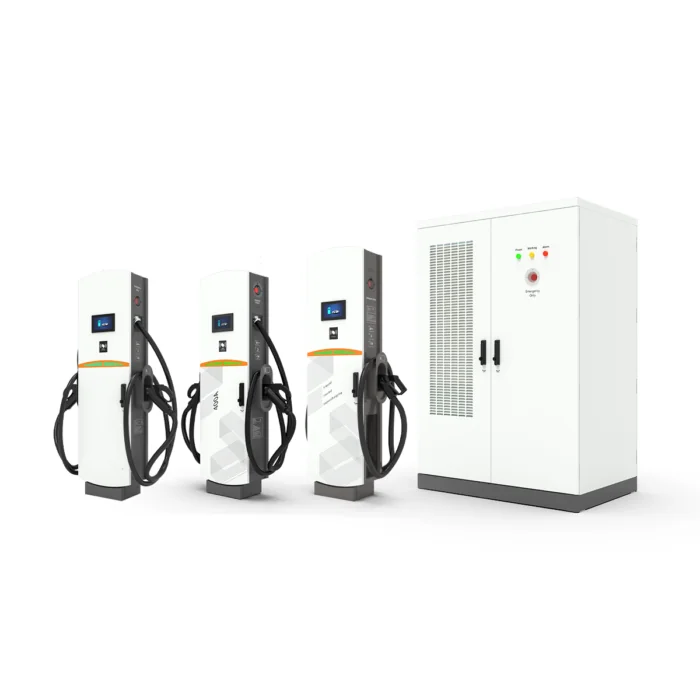
Older rollouts keep swapping bigger boxes for bigger promises, but the cracks remain. That’s why many teams now look to China EV charger 30 as a pattern to discuss what must change. In classic setups, the rectifier stage and power converters are sized for peak, then spend most of the day idling. Heat builds. Fans chase it. Throughput fades when thermal limits kick in. Look, it’s simpler than you think: static load balancing can’t adapt to real demand swings, so one cable starves while another loafs—funny how that works, right? Add slow firmware loops, and your queue becomes a clock. Drivers don’t care about nominal kilowatts; they care about stable, sustained kilowatts.
There’s more. Old designs treat the grid as a wall socket, not a moving tide. Without smart dispatch, a site hits a soft ceiling when feeder capacity shifts, and sessions throttle at the worst moment. High total harmonic distortion strains neighbors and invites penalties. Service calls reset the cycle because diagnostics are thin, and edge computing nodes are rare or absent. The result is a kind of elegant failure: charts look fine at noon, but sunset exposes the weakness. In truth, the flaw isn’t power alone; it’s the control layer, the way load balancing and faults are handled, the way heat and current are forecast instead of chased.
Comparative Lens: Principles That Change the Game
What’s Next
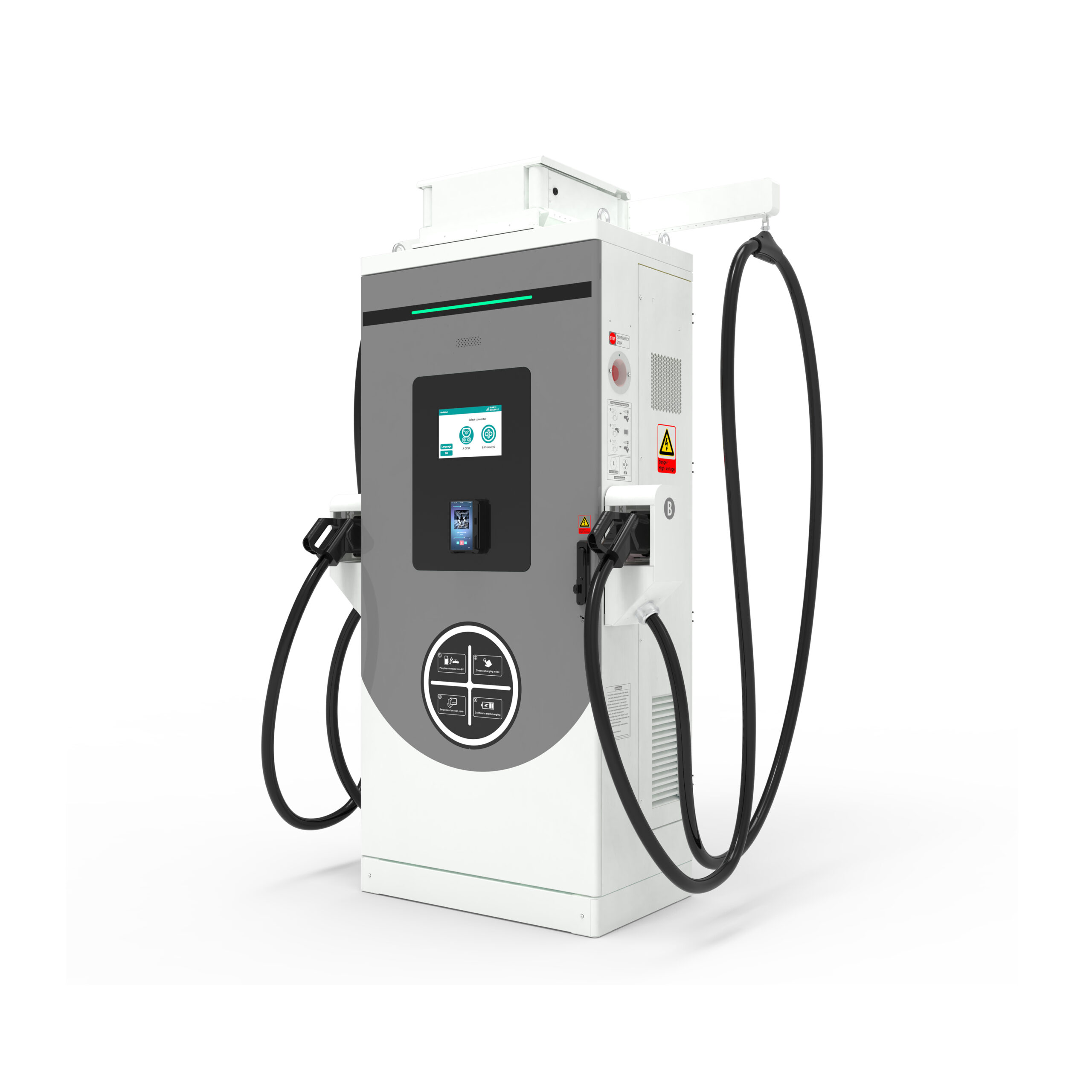
Modern systems flip the script. They start with modular power stacks that share current on demand, then wrap them in predictive cooling and grid-aware scheduling. That means fewer thermal derates, fewer stalls, and a steadier curve under stress. When you compare a legacy hub to a refined platform like Electric vehicle fast charger 8100, the change feels quiet but deep. Dynamic load sharing keeps both plugs honest. Faults isolate fast. Firmware shifts from polling to event-driven control, while OCPP messaging tightens session handshakes. Small changes; big relief. And yes, really—driver trust grows when the screen stops lying about time. (Consistency is the new speed.)
New principles also respect the street. Sites adapt to feeder signals, trimming draw in quick steps rather than brute cuts. Power factor stays clean, and the rectifier stays cool. Telemetry moves to the edge, so alerts arrive before a queue forms. The upshot is not only faster sessions; it’s calmer ones. It reframes “fast” as a promise kept under heat, rain, and the Monday rush. Compared with yesterday’s brute force, today’s approach listens—to cables, to air, to grid mood—and acts in milliseconds.
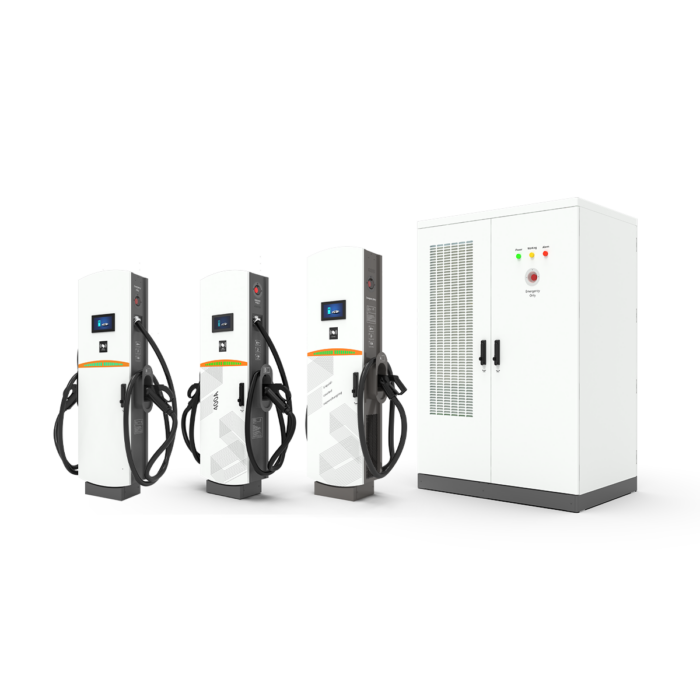
For teams choosing their path, focus on three metrics that cut through noise: 1) sustained output under 35°C without thermal derate; 2) session success rate at peak (including handshake reliability and retries); 3) site-level response time to load changes, measured end-to-end from event to stable power. These tell you if the charger is strong when it matters, not only when no one’s around. In short, build for control, not just capacity, and let calm power the night. And if you trace these contrasts to their source, you’ll see the same idea bloom: fewer assumptions, more awareness—comparisons that finally count. Winline
