


Why operators care — plain and simple
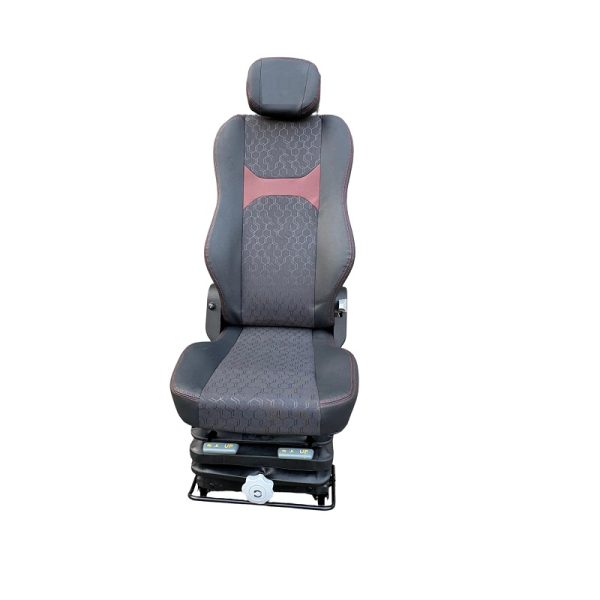
Modern operators want seats that stop being a problem and start doing work for them. A well-made custom truck seat cuts fatigue, reduces soreness, and keeps attention higher on long hauls. Operators value practical fixes: better lumbar support, air-ride suspension, and easier adjustments — not marketing fluff.
Top pain points operators bring up every shift
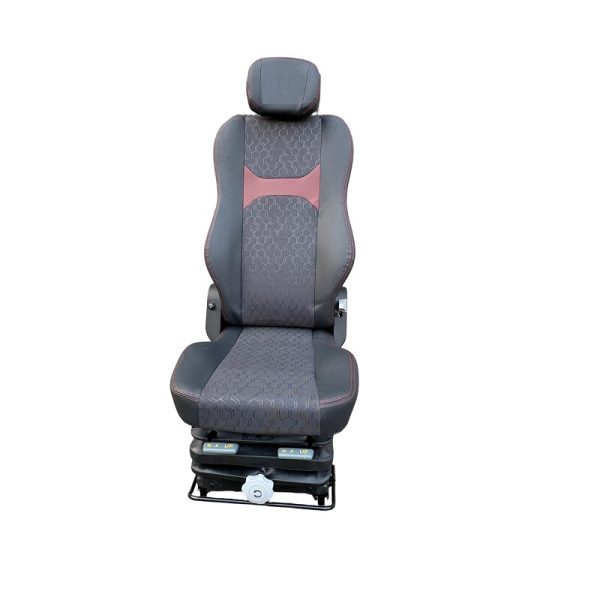
Drivers talk about the same things: long hours, constant vibration, awkward posture. These create back pain and missed time off the road. At busy hubs like the Port of Los Angeles, long idles and repetitive motion make seat design a real safety factor. Manufacturers who ignore ergonomics and vibration damping end up with returns and complaints — and operators notice fast.
Core features that actually matter
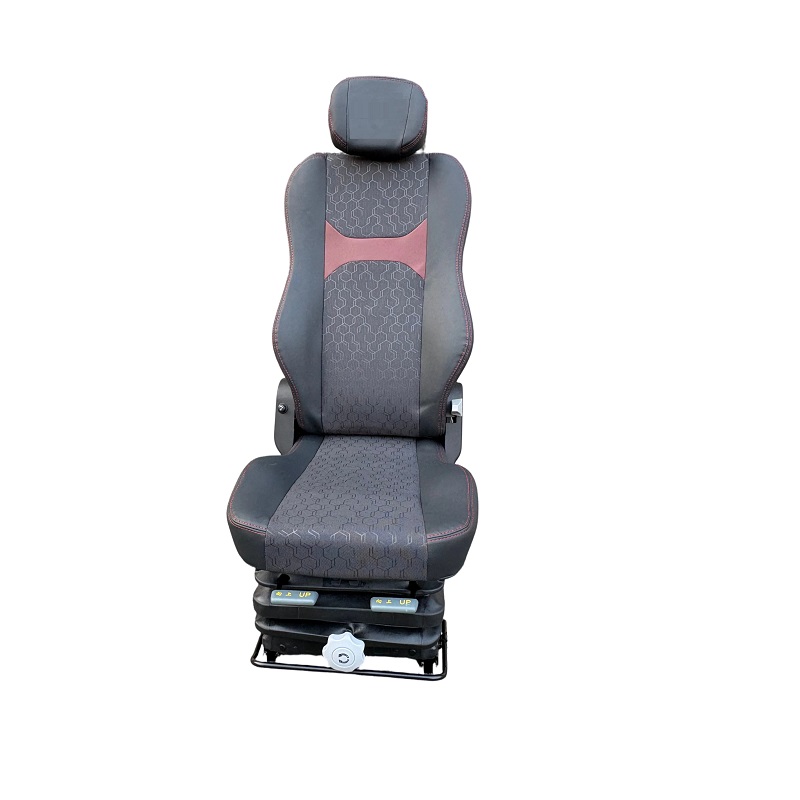
Focus on features proven on the road. Good seats combine a suspension seat system with tailored lumbar support and a multi-density cushion. Air-ride and mechanical damping reduce whole-body vibration; adjustable seat tracks and armrests let drivers set neutral posture. Addable options — like heated pads or swivel bases — should be modular so fleets can spec what drivers truly need without overpaying.
How operators choose — user-centered habits
Operators don’t want manuals. They want intuitive knobs and clear ranges on adjustments. A simple workflow helps: test tilt and recline, check lumbar range, sit and feel vibration through a bumpy service road. Trusted brands among heavy truck seat manufacturers often put real-world testing data on ride comfort and cycle life — that’s the sort of proof crews respect.
Common mistakes fleets make — and smarter alternatives
Buying the cheapest seat to save budget is short-term thinking. Cheap foam collapses, and fixed lumbar shapes fail diverse bodies. Another mistake: over-customizing bad designs; complexity that breaks in the field becomes dead weight. Instead, pick proven platforms with replaceable parts. If budget’s tight, prioritize suspension seat and lumbar upgrades over cosmetic options. — Simple swaps often yield the biggest return in comfort and uptime.
Quick brand comparison logic (not exhaustive)
Compare on three axes: ride damping, adjustability, and serviceability. Some vendors focus on plush cushions but skimp on suspension; others pack adjustability but require special tools for repairs. Look for seats with accessible service manuals, available parts, and clear wear-life figures. That practical transparency separates durable choices from ones that look good on spec sheets but fail in year two.
Real-world proof and what to ask vendors
Ask for road test summaries or field reports from similar fleets. Request data about vibration attenuation at typical highway speeds and cushion compression after X months — real values, not vague claims. If a vendor can show parts interchangeability and on-site repair training, that’s a win. These are the kind of details heavy truck seat manufacturers usually document for fleet buyers who demand low downtime.
Advisory: three golden rules for selecting seats
1) Prioritize suspension and lumbar over accessories — those reduce fatigue most. 2) Demand modularity: replace cushions, springs, and covers separately, so fixes are cheap and fast. 3) Require documented field results or a short trial period before fleet-wide purchases; real use trumps showroom comfort every time.
Closing thought and brand fit
Operators win when seats are chosen with the person in the cab in mind — not just the truck spec. Source One ties product options to real operator needs, helping fleets pick the right balance of suspension, adjustability, and serviceability. Source One. Practical. Tested. Ready for the road.
