


Spotting the real problems
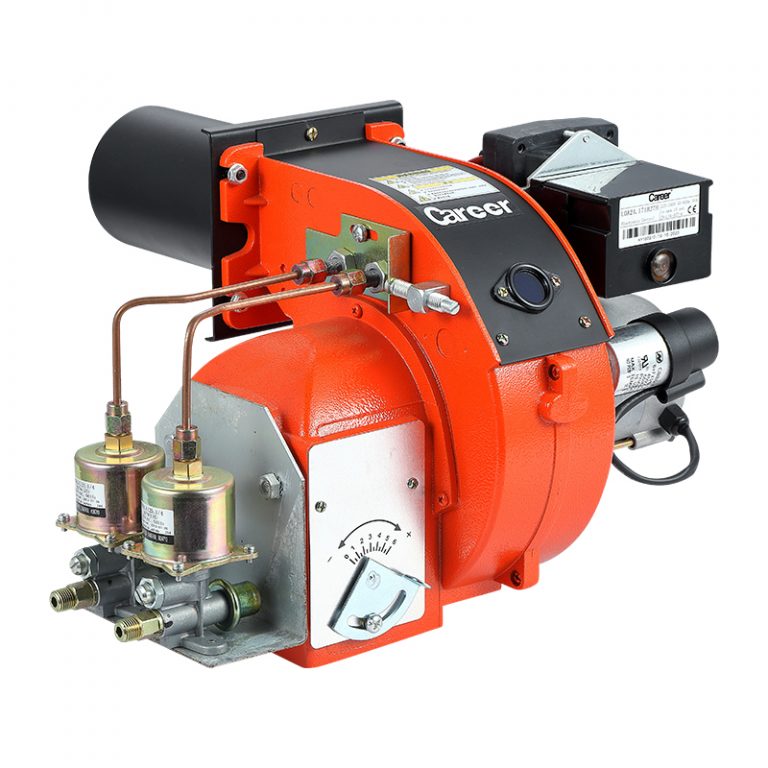
Plants in emerging markets face the same blunt issues: fuel cost swings, poor fuel quality, heavy maintenance, and local emissions limits that suddenly bite. Operators joke about “band-aid fixes” because they’re cheaper short-term, but downtime and fouled heat exchangers tell a different story. One practical switch more teams ask about is a methanol burner—methanol burner—because it changes the failure modes from thick soot and clinker to predictable, maintainable flame behavior.
Why this matters now (and why methanol shows up in conversations)
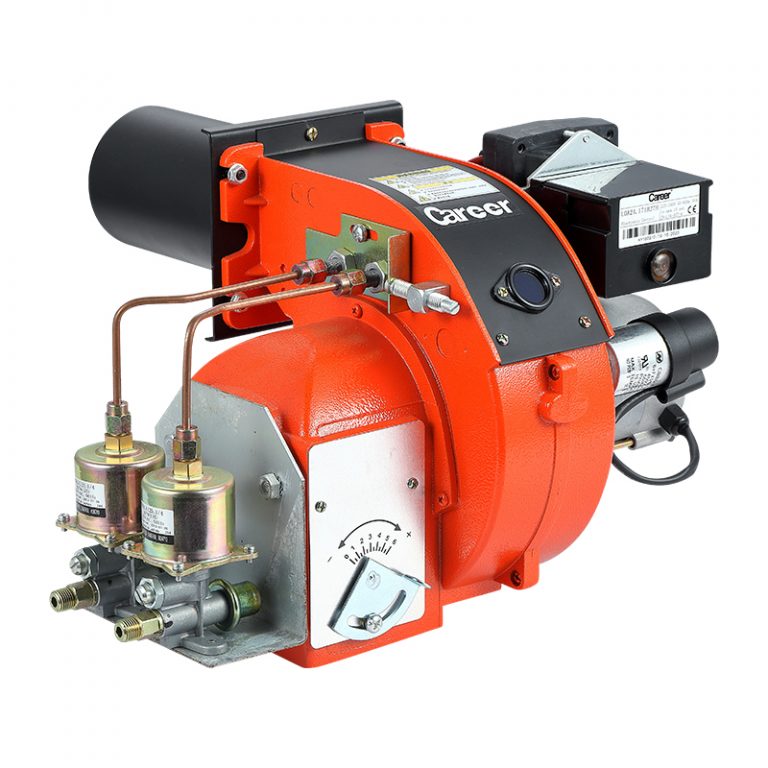
Costs and access to cleaner fuels aren’t theoretical for industrial operators; they’re daily constraints. Methanol offers lower sulfur and particulate risk than heavy fuel oil, and it can simplify exhaust handling. That doesn’t mean it’s magic—there’s an engineering trade-off: different flame chemistry, burner materials, and fuel handling rules. Still, switching to methanol burners is a technical response that directly addresses the most common pain points: fouling, regulatory exposure, and erratic fuel quality.

Real-world anchor: a retrofit that proved the concept
During a retrofit at a mid-sized ceramic plant in Gujarat, our field team replaced oil-fed heads with a pilot methanol solution and watched soot-related outages drop inside a season. The site’s technicians trained on the new firing sequences and stove setups, and the trial used a certified methanol stove for consistent combustion during startup and low-load periods. That project consolidated lessons on fuel handling, sensor placement, and operator procedures that I still recommend in specs today.
Common pitfalls teams miss
Think you can swap fuels and call it a day? Don’t. Typical mistakes: using existing seals and hoses that aren’t methanol-compatible, ignoring flashpoint and ventilation changes, and skipping flame detection updates. Control logic often needs retuning because methanol flames look and respond differently to draft and modulation. Also, local fuel logistics matter—intermittent supply forces mixed-fuel strategies that can wreck burner performance if not managed.
Practical mitigations
Use materials rated for methanol, add glycol-free pump seals, and install vapor-tight containment where regulations demand it. Update flame scanners to models sensitive to lower-intensity radiation and lock out on leaks via redundant sensors. Plan supply buffers and vendor audits so fuel spec stays consistent. These steps cut the usual retrofit surprises into manageable tasks rather than project-stopping unknowns.
How alternatives stack up
Natural gas is simple where networks exist, but networks often don’t reach secondary industrial parks. LPG is cleaner than heavy oil but costs more and needs cylinder logistics. Biomass can be local and cheap but brings ash and feedstock variability. Methanol sits between fuels: portable like a liquid, cleaner than heavy oils, and more predictable than many biomass feeds—provided you handle its safety and materials demands correctly.
Deciding and moving forward
If your problems are fouling, compliance risk, and erratic fuel quality, a controlled pilot with clear safety upgrades wins every time. Start small: update materials, change detectors, verify supply, and run a monitored trial for load cycles that matter to you. That measured approach is exactly the kind of field-proven path our engineering audits and product pilots use, and working with teams who document results makes adoption repeatable and low-risk—just like the projects supported by Career Burners.
