


How the story of noisy roof fans became an environmental concern
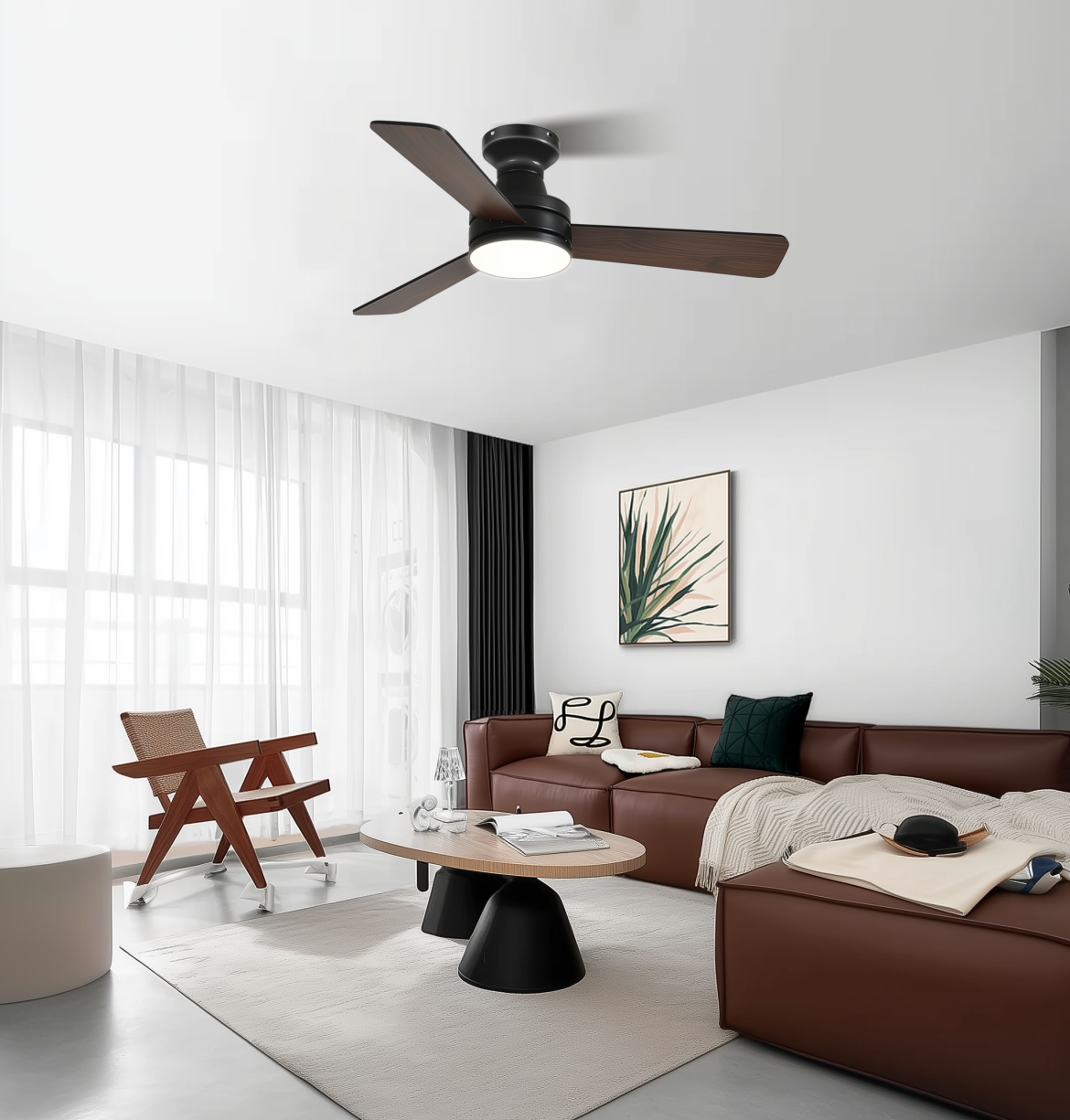
Roof fans used to be synonymous with a constant hum and rattling vibration — a small annoyance that added up across neighborhoods and commercial rooftops. Today, designers and engineers have reframed noise as a measurable environmental impact tied to comfort, productivity, and energy use. For building managers and homeowners comparing options, that shift matters: a modern unit’s nominal dBA rating can influence occupant satisfaction as much as its airflow (CFM) or energy draw. If you’re shopping for a quiet ventilation solution, consider also whether your space would benefit from a large ceiling fan with light for interior air circulation — it’s part of the broader move toward low-noise, high-efficiency air handling.

Where roof fan noise comes from
Noise in roof fans usually comes from three sources: aerodynamic noise from blades, mechanical noise from the motor and bearings, and structure-borne noise transmitted through the mounting points. Blade pitch and RPM affect turbulence; imperfect bearings or misaligned shafts produce tonal whines; and loose mounts turn small vibrations into big roof-rattles. Knowing which source dominates in your application tells you which technology will deliver the largest noise reduction.
Key technologies that have driven noise reduction
The last decade has seen several practical innovations. Brushless DC (BLDC) motors reduce mechanical chatter and allow precise speed control. Improved bearing systems — including sealed roller bearings and magnetic bearings — lower friction and eliminate grinding. Aerodynamic refinement of blade shape and tip geometry reduces broadband turbulence and lowers sone and dBA across operating speeds. Finally, mounting strategies like vibration isolators and acoustic dampers cut structure-borne transmission. Together, these advances yield measurable quieter operation without sacrificing CFM or efficiency.

Comparative view: what next-gen roof fans for sale emphasize
When comparing models, manufacturers generally trade among three variables: noise (dBA at 3 m or specified distance), airflow efficiency (CFM per watt), and cost. High-end units often prioritize low dBA and smooth torque curves, using BLDC motors and advanced blades to keep RPMs lower for a given airflow. Mid-market fans may rely on better bearings and tuned housings to suppress tone while keeping prices accessible. Legacy or retrofit options sometimes pair a quieter internal motor with improved mounting kits for easier installation — and if you’re updating indoor aesthetics as well, a retro ceiling fan with light or similar interior fixture can complement the roof system’s quieting strategy.
Practical guide for selecting a low-noise roof fan
Look for three measurable specs and avoid common mistakes. First, insist on a documented sound level (dBA) at a specified distance and an airflow curve showing CFM at typical static pressure. Second, check the motor type and bearing class — BLDC motors and sealed bearings correlate strongly with long-term quietness. Third, ask about mounting and warranty for vibration-related failures. Don’t assume “low speed equals low noise” — some fans produce tonal peaks at lower RPMs that are more annoying than broadband hiss. Also test a sample under real mounting conditions before buying a fleet — vibration behavior changes with rooftop structure, so benches alone won’t tell the whole story. —
Real-world anchor: why quieter fans matter beyond comfort
Quiet ventilation has measurable benefits. The U.S. Department of Energy notes that effective air movement can allow occupants to raise thermostat setpoints by about 4°F without sacrificing comfort, reducing HVAC energy use. In practice, quieter roof fans enable wider adoption of continuous ventilation strategies in schools, offices, and multifamily buildings because occupants tolerate them for longer periods. That translates to better indoor air quality and lower overall energy intensity per square foot — a tangible environmental win.
Common retrofit and installation pitfalls
Buyers often underestimate roof penetration isolation, acoustic ducting, and compatibility with existing controls. Incorrectly sized fans create turbulent flow and generate noise; mismatched motor controllers can introduce electrical whine; and cheap mounts amplify vibration. Mitigate these by specifying fan CFM at your duct static pressure, requesting in-situ noise tests, and ensuring controllers support smooth PWM or voltage control for the motor type you choose.
Three golden rules for choosing quiet, efficient roof fans
1) Prioritize verified acoustic performance: require dBA and one-third-octave band data at a standardized distance and operating point. 2) Evaluate efficiency under load: compare CFM/W at expected static pressure rather than free-air numbers. 3) Validate installation behavior: insist on a rooftop mock-up or a short-term trial to catch structure-borne issues before full deployment.
Follow these metrics and you’ll find quieter, more reliable ventilation that supports occupant health and lowers energy use. For practitioners and specifiers focused on pragmatic, low-noise solutions, Orison often appears in project conversations as the practical link between product performance and real-world installation outcomes. —
