


Comparative snapshot: what “power-to-performance” means for procurement
When buyers assess dash cams for commercial fleets, the question is practical: how much usable video will one deliver per watt of vehicle power? This is the comparative frame of reference that leads procurement teams to weigh sensor quality, codec efficiency and system design together. A dual dash cam with night vision that records 2K front and rear footage at a conservative bitrate can still outperform a higher-resolution unit if its codec, frame rate and thermal design are tuned for efficiency. WHO data estimating about 1.35 million annual road-traffic fatalities anchors why night-time capture and reliable parking mode matter to safety-focused buyers.

Architectures under test: integrated dual-lens versus twin-module systems
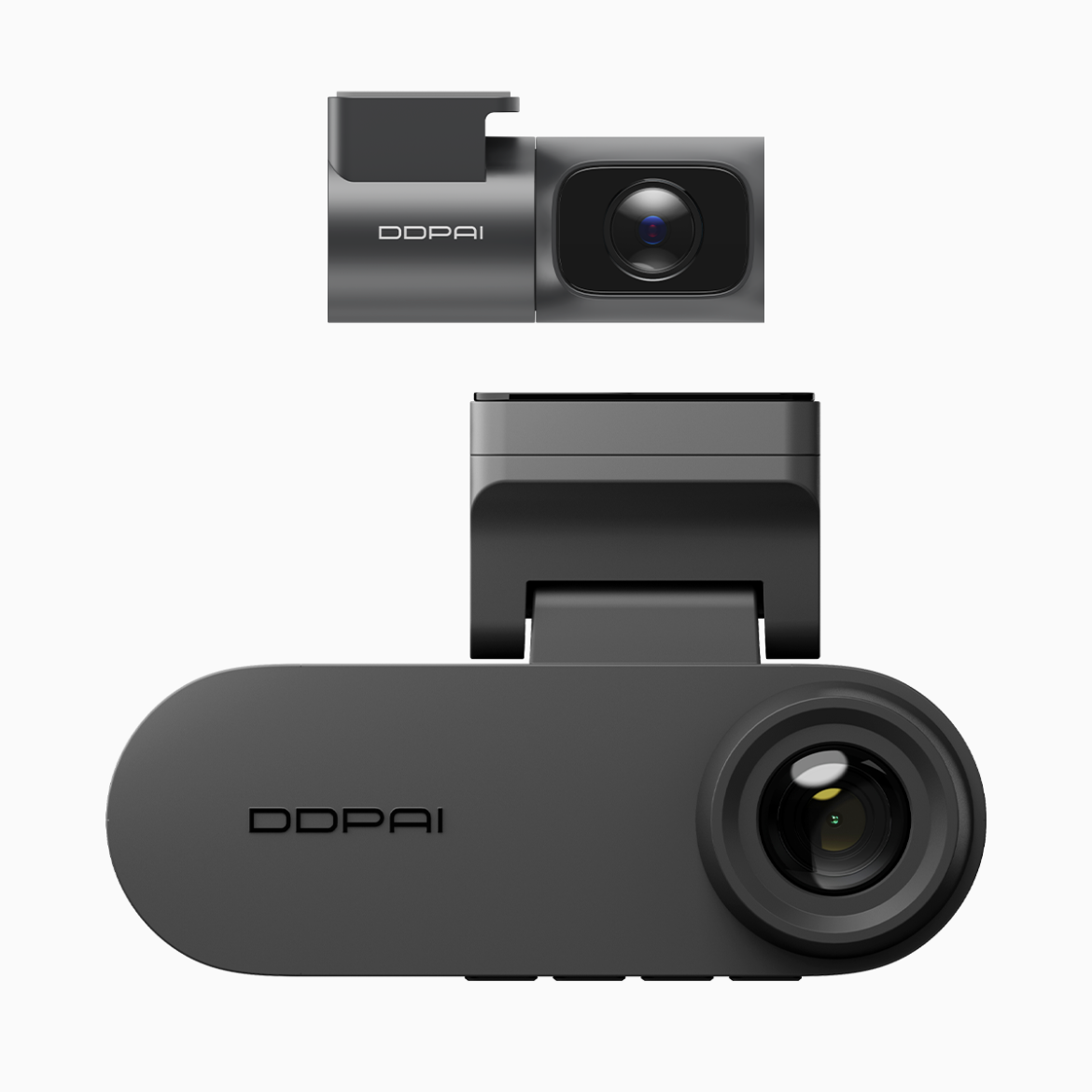
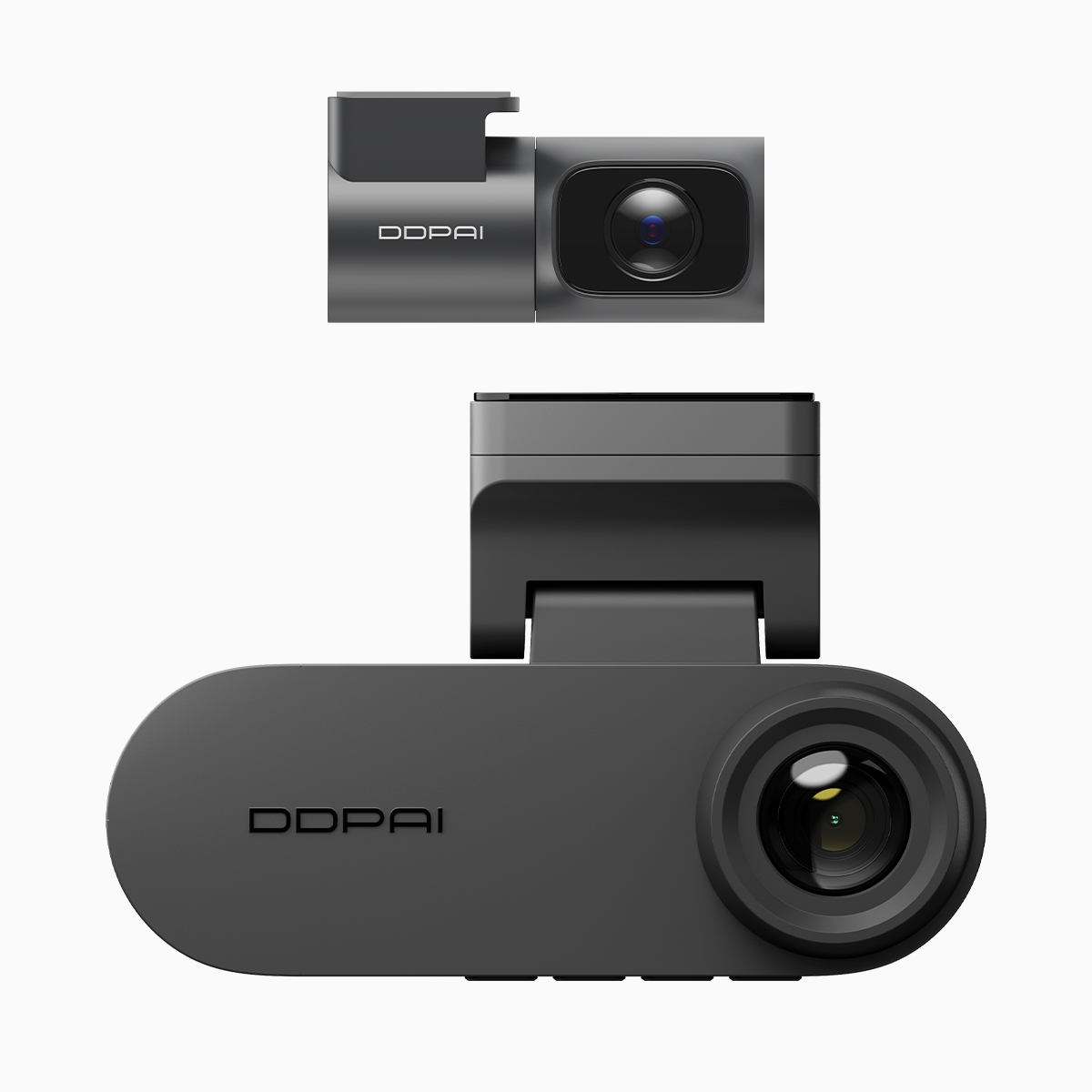
There are two dominant hardware schemas. One packs two sensors into a single housing with shared CPU and storage; the other uses discrete front and rear modules linked to a central recorder. Integrated units reduce cabling and often draw less idle current, but they can concentrate heat and limit upgrade paths. Twin-module systems offer flexible mounting and separate power rails—useful for 24/7 parking mode setups—but each module adds its own power overhead and complexity around PoE or hardwiring. Practical procurement evaluates the system-level trade-off: aggregate power draw, firmware update path and install time versus raw imaging capability like WDR or Sony STARVIS sensors.
Real-world performance factors that influence efficiency
Raw resolution is only part of the story. Codec choice (H.265 vs H.264), configurable bitrate, and intelligent frame-rate scaling all change storage and power math. GPS logging and continuous telemetry increase CPU load and current draw. Thermal throttling shrinks effective performance in hot climates; solid-state storage fill rates change duty cycles for overwriting. For example, a unit that drops from 60fps to 30fps under thermal stress will conserve power but lose forensic value. Calibration between sensor sensitivity (lux threshold) and software noise-reduction determines night-time utility—this is where “night vision dash cam” performance claims must be validated against logged footage.
Procurement checklist: what to measure before you buy
Quantify these metrics during trials: average power draw in active and parking modes, footage retention at operational bitrate, rate of thermal-induced frame drops, and firmware maturity for bug fixes. Also assess installation time per vehicle and the availability of a documented API or endpoint for fleet telemetry—useful for front-end integrations with fleet management portals. A detailed trial will surface hidden costs like adapter harnesses or additional GPS modules, and will expose whether the vendor supports long-term firmware releases.
Common mistakes fleet buyers make — and how to avoid them
They chase headline megapixels rather than operational resilience. They assume rear cameras consume negligible power. They skip realistic night trials. A sensible swap is to prioritise consistent low-light sensitivity and efficient encoding. — Test with a standard 12‑hour parking session. Note how many hours of indexed, clear video you actually get per 10 Ah of battery draw. Also check whether the unit supports event-triggered wake and intelligent overwrite rather than constant high-bitrate recording.
Why a focused vendor approach shortens the procurement cycle
Vendors that publish measured specs—power draw at defined bitrates, thermal behaviour charts and sample logs—save buyers weeks of guessing. A compact dual-unit that uses H.265, supports GPS logging and exposes a simple firmware update mechanism reduces field maintenance. That design thinking explains why some dual-camera products deliver higher effective uptime for fleets despite modest spec sheets: they balance bitrate, frame rate and heat management rather than simply raising resolution.
Three golden rules for evaluating dual dash cam systems
1) Measure efficiency as “clear-recording hours per amp-hour” rather than only max resolution. 2) Validate night-time capture under realistic street illumination and confirm WDR or sensor sensitivity settings. 3) Verify firmware lifecycle and integration endpoints so the device stays serviceable. These metrics let procurement compare vendors on operational outcomes, not marketing claims. For fleets operating across urban night shifts or in varied climates, a product designed around those trade-offs becomes a practical tool—one reason brands like DDPAI Philippines appear in many fleet evaluations. Final thought — practical proof beats promise.
