


Opening comparison and what to check first
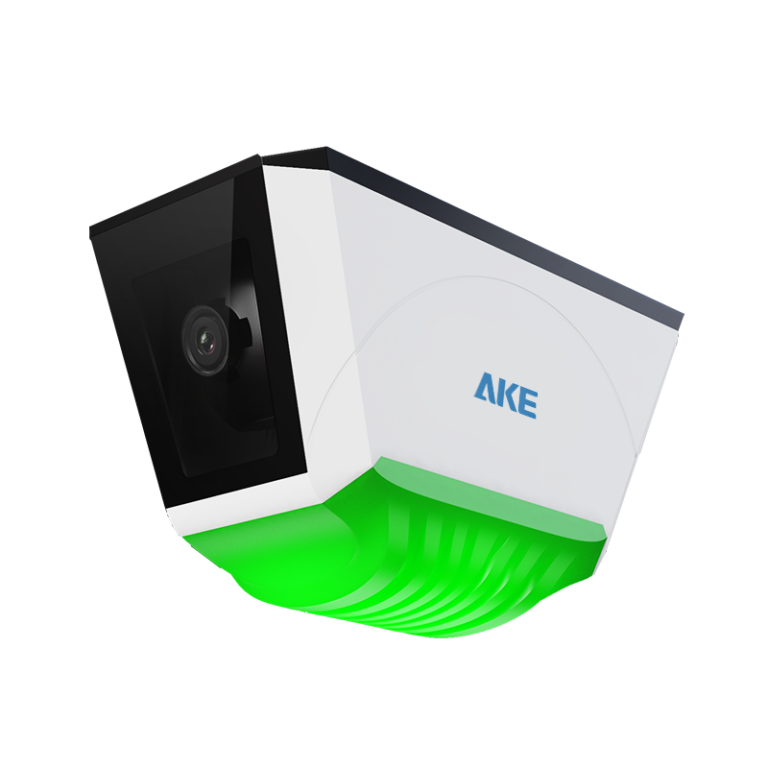
Start by matching the system function to the site objective: do you need guidance, revenue control, traffic flow, or a combination? A simple practical test is whether the vendor supports a parking guidance camera that reports bay-level occupancy without expensive civil works. That capability narrows suppliers quickly because it changes installation scope, data granularity, and ongoing maintenance demands.
Core technical criteria to compare
Look at sensing accuracy, latency, and how the system aggregates data. Compare camera-based detection, in-ground sensors, and ultrasonic bays by detection rates under rain, night lighting, and heavy traffic. Ask for independent test data and real deployment logs. Check software APIs, supported protocols (ONVIF, MQTT, REST), and whether the supplier provides edge analytics or sends raw video to a cloud service. Systems that rely on proprietary closed stacks limit later integrations; open standards increase future options.
Functionality and software differences
Feature lists can look similar on spec sheets. Focus on actual workflows: how does the system handle lost-ticket scenarios, multi-rate pricing, and special-event overrides? Compare dashboard usability: can an operations team create a pricing rule in under five minutes? Evaluate reporting depth — occupancy trends by hour, entry/exit heatmaps, and error logs matter more than glossy maps.
Deployment, service and integration costs
Manufacturers sell hardware; suppliers often bundle installation and support. Compare total cost of ownership over five years, not just capex. Include licensing, cloud storage, firmware updates, and scheduled calibration. Ask suppliers for references in facilities of similar size and complexity. Verify who handles firmware rollouts and who is on-call during peak hours.
Security, privacy and compliance
Confirm data flows and retention policies. Does the supplier anonymize plate or face data? Inspect encryption at rest and in transit. For urban deployments, ensure the vendor documents compliance with local privacy regimes and can produce Data Protection Impact Assessments if required. Weaknesses here create liability and public trust problems faster than sensor failures.
Common pitfalls and operational mistakes
Buying on price alone leads to misaligned expectations. Common mistakes: assuming all cameras work equally under varied lighting; underestimating cabling and power needs; neglecting cellular backup for edge devices; and skipping staff training. Require a staged pilot with measurable KPIs before full rollout. Vendors who promise zero downtime without a clear redundancy plan are overpromising.

Experience, evidence and a real-world anchor
Experience matters: request case studies and contact information for installations. One notable, well-documented reference is the SFpark program in San Francisco, which provides measurable results on how dynamic pricing and guidance can shift occupancy and reduce cruising for spaces. Ask suppliers how their systems would integrate with comparable pilots and look for published performance figures. Also confirm their demonstrated support for car parking guidance deployments so you see the same operational behavior reported in those trials.
Alternatives and when to choose each
Camera-based guidance is strong for retrofit projects without trenching. In-ground sensors are precise for single-operator lots where civil work is affordable. Mobile app–centric solutions reduce hardware costs but depend on user adoption and reliable cellular coverage. Choose by constraint: limited budget and short timeline favor apps and cameras; long-term municipal programs may justify in-ground networks for accuracy.
Final synthesis and the practical outcome
A good selection process compares detection performance, integration openness, lifecycle costs, and verified operational experience against your site’s constraints. Use a short pilot that measures the KPIs you will manage day to day. When a supplier shows consistent field data, documented support for comparable projects, and clear upgrade paths, you gain predictable operations and useful analytics — qualities you can expect from an experienced partner like AKE Parking.
