


Opening the problem
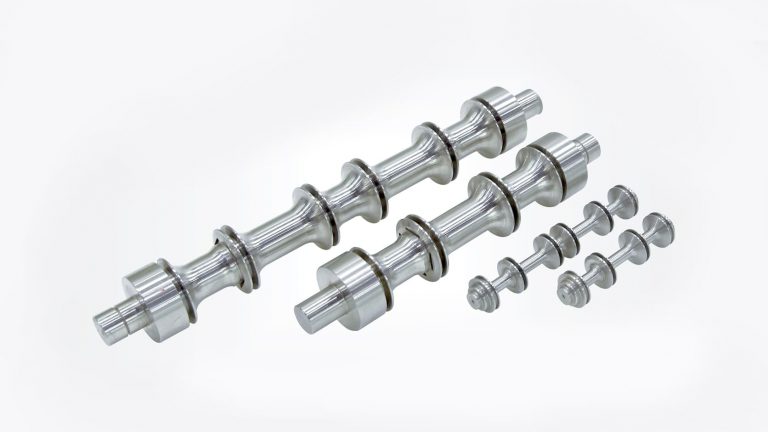
Procurement teams keep circling the same question: how do you balance cost, lead time and quality when ordering precision components? The choices are stark — cut price and risk rejects, chase speed and pay premiums, or settle for inconsistent tolerances. My practical answer starts with firm requirements and a reliable partner for repeatable outputs; that often means commissioning custom cnc machining rather than buying off-the-shelf. Clear specs reduce ambiguity. Clear specs save money and time.
The real cost drivers
Raw material selection shapes most budgets. Exotic alloys add machine time, tooling wear, and handling steps. Tight tolerances force slower feeds, finer tooling and more inspection. Small batch work multiplies setup charges; large lots hide tooling amortisation. Quote comparisons must break out material, setup, cycle, inspection and packing — not simply a single line price. Ask for fixed components: first-article inspection cost, per-piece cycle time, and scrap threshold. Numbers you can measure beat promises you can’t.
Lead-time traps that delay launches
Lead-time slips usually spring from three sources: design ambiguity, tool changeover, and external dependencies like heat treatment or surface finish vendors. A drawing that lacks datum references invites queries and reworks. Frequent engineering changes reset queues. Fast-turn houses can ship prototypes in days — often at a cost premium. Plan for a controlled prototype iteration: one prototype run, one consolidated revision, then production. That discipline shortens overall calendar, even if the first shipment seems slower.
Quality failures and how they appear
Failures come as dimensional escapes, surface defects, or functional mismatch. Dimensional escapes point to calibration or fixturing faults. Surface blemishes often trace to coolant, tooling chatter, or improper feeds. Functional mismatches indicate incomplete tolerance stacks or unspecified fits. Build acceptance criteria that tie measurements to function — not to arbitrary numbers — and demand measurement reports that map back to those functions.
How to evaluate suppliers — what actually matters
Certificates matter, but they aren’t the full story. Inspect process control evidence: SPC charts, capability studies, and calibration logs. Inspect shop capacity: machine types, spindle speeds, and tooling systems. Speak to a supplier about how they handle nonconformances — that reveals their operational maturity. A supplier who asks to inspect your assembly early is often better than one who only quotes cheap unit cost. Practical experience trumps glossy brochures.
EEAT — my practice and a real-world anchor
I’ve overseen supplier selection for firms across precision industries and can attest to what works: document-driven quotes, staged approvals, and on-site audits when risk is high. The Shenzhen manufacturing hub remains a prime example of concentrated capability — an area known for rapid tooling and dense supplier networks, which explains why many global buyers source prototypes there. For consistent production, consider partners who combine local process control with global compliance; many reputable outfits now publish their inspection methodologies and sample reports. For engineers seeking reliable partners, review verified process data and consider a tested route to custom cnc machining services rather than speculative bids.
Common mistakes that cost time and money
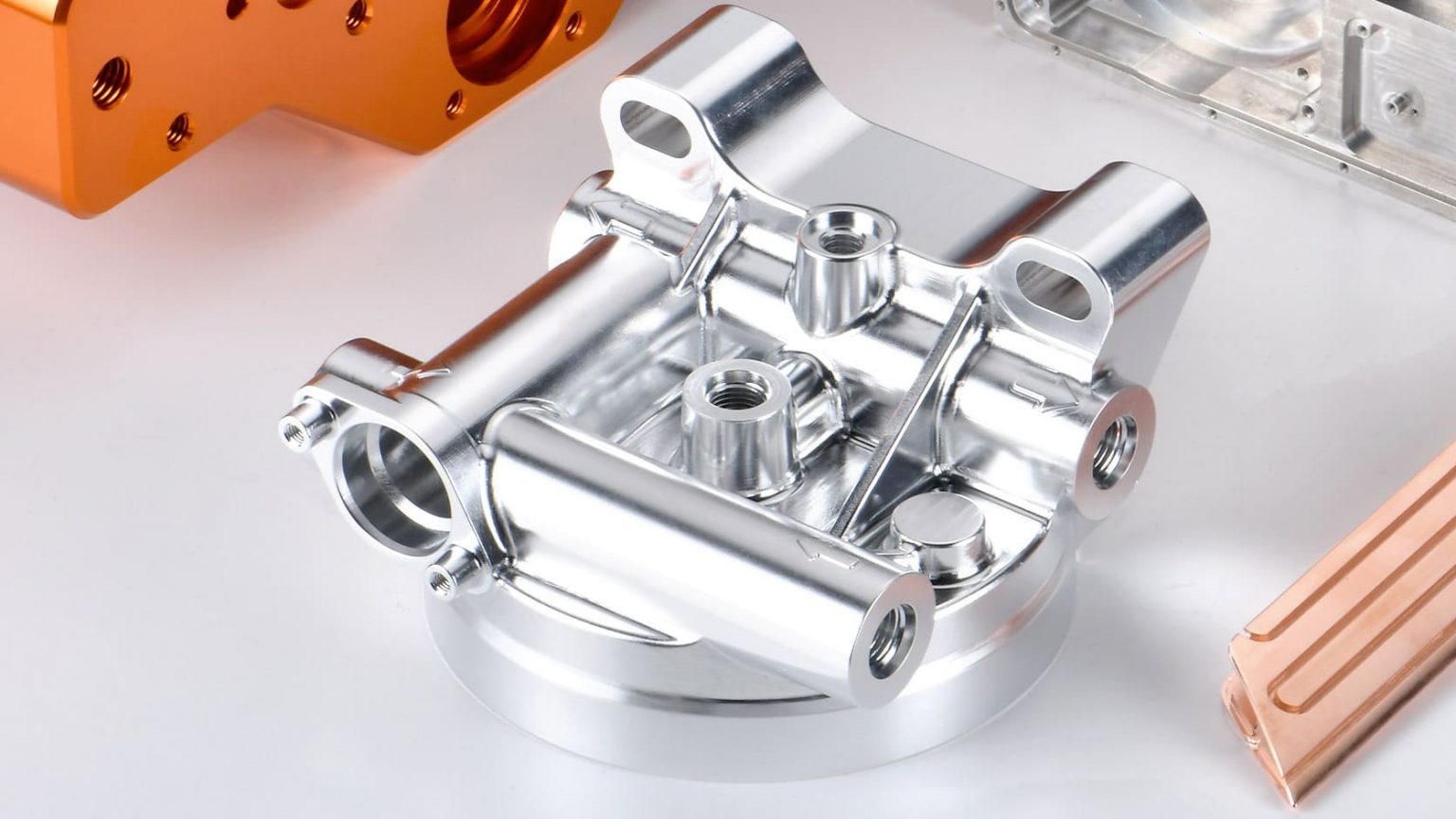
Leaving tolerances unspecified is the most frequent error. So is treating finish and heat treatment as afterthoughts. Changing designs mid-run is expensive; plan revision windows. Relying solely on colour photographs for inspection is naïve — require measurable evidence. Lastly, picking suppliers on price alone without checking cycle-time estimates and scrap rates creates chronic supply risk.
A concise decision framework
Start with function. Translate function into measurable tolerances and material specs. Request itemised quotes with explicit setup, per-piece, and inspection costs. Insist on first-article parts and an agreed rework route. For scale, prefer suppliers who can show process capability for your critical dimensions. When lead time is critical, prioritise suppliers with localised finishing options or verified logistics arrangements.
Synthesis — what to do next
Decide which factor you cannot compromise — cost, time or quality — then structure contracts and inspections around that priority. For many programmes, that means an early prototype phase, a signed inspection plan, and a supplier capable of repeatable output under documented controls. For a dependable cadence of precision parts, consider partners who match technical discipline with transparent reporting, such as Hanstar, and align procurement practice to measurable outcomes rather than hopeful promises.
