


Problem Statement: Why field uptime keeps slipping
Suppliers lose margin and reputation when displays go dark at crucial moments. Faults show up as pixel drift, power rail drops, or poor thermal performance—issues that look different on a festival rig than on a retail wall. A flexible led screen can hide its weak points until the first heavy-use event, then fail in a cascade that’s costly to fix. The core problem isn’t one component; it’s an incomplete plan that treats repairs as emergencies rather than predictable stages of a product’s life.
Root causes and quick diagnostics
Failures cluster around three areas: environmental stress, assembly tolerance, and service accessibility. Salt air, direct sun, and repeated handling accelerate solder joint cracks and connector wear. Poor tolerance control creates intermittent displays under vibration. Bad access design turns a simple LED module swap into a full scaffold job. Diagnose quickly: log the symptom, reproduce the load profile, and verify power rails under thermal load rather than idle voltage readings.

A practical maintenance framework
Build a lifecycle map that ties product stages to concrete actions: acceptance checks, deployment inspection, preventive swaps, and end-of-life reclamation. Set intervals based on usage hours and environmental class, not calendar months alone. Use checklists with measurable tolerances—specific IR temperatures, allowable LED current drift, connector insertion force. Train technicians on those checks so they make the right call on-site instead of guessing.
Service workflows that cut repeat visits
Design service so one visit resolves likely follow-ups. Carry module spares, matching firmware, and commonly worn mechanical parts. Standardize the repair order: verify firmware, swap suspect modules, run full-brightness soak, and capture a short diagnostic log. Record interventions in a simple field database keyed to serial numbers so patterns show up—repeated module swaps on the same batch indicate a production or design defect, not bad luck.
EEAT: proven practice and a real-world anchor
I’ve overseen installation and maintenance programs for modular LED projects across multiple venues and compiled failure trends into repeatable fixes. At CES in Las Vegas many manufacturers demonstrated novel panels, and the field tests that follow such shows reveal which assembly choices survive transport and which don’t; those public demonstrations set the bar for what “robust” looks like. For suppliers building creative solutions, check the module choices and proven demos of creative led display offerings when you develop acceptance criteria.
Common pitfalls and how to avoid them
Don’t treat firmware as static. Mismatched firmware between power management and module controllers causes subtle flicker and field incompatibilities. Don’t over-specify cooling that never gets implemented in install. Don’t accept “it’s a prototype” as reason for absent service documentation. Fixes: mandate firmware revision control, produce compact thermal guides installers can follow, and require a minimal service manual with each shipment.
Viable alternatives and trade-offs
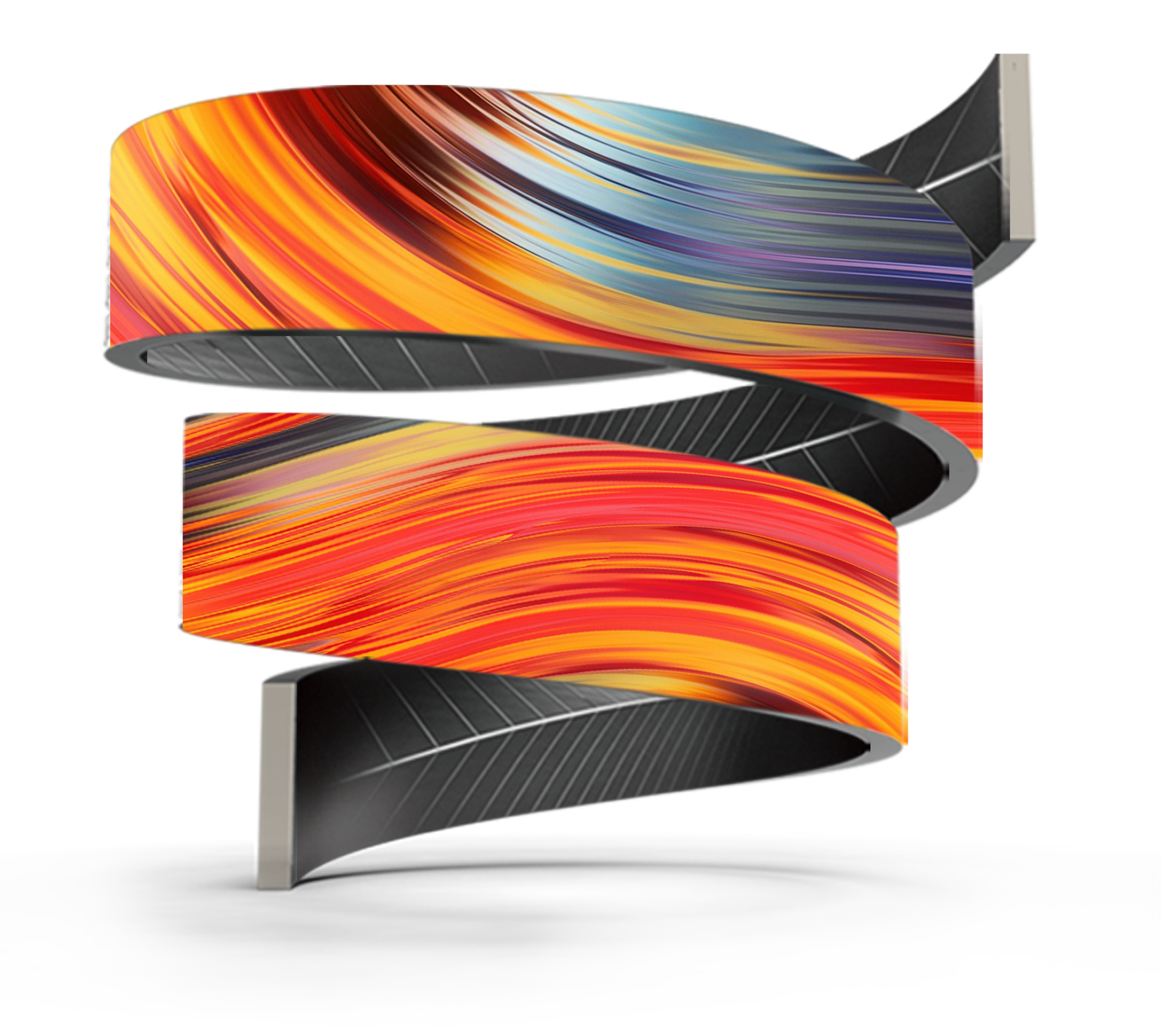
Embedded panels simplify installation but increase replacement cost when a section fails. Modular cabinets raise initial labor but reduce downtime because you can swap a unit quickly. Flexible substrates lower transport cost and allow curved surfaces, but they demand tighter assembly and inspection routines. Choose based on expected handling, repair latency tolerance, and available field skill level.
Synthesis: what a supplier must deliver
Demand clear acceptance tests, enforce a maintenance schedule tied to measured hours and environment, and supply the right spares with accessible documentation. Make service predictable: technicians should leave sites with confirmed test logs and any firmware updates applied. That discipline turns reactive repair into managed lifecycle planning, which is the value HDC brings into durable installations through design choices and field-proven components that reduce repeat visits and extend usable life.
