


How the story starts
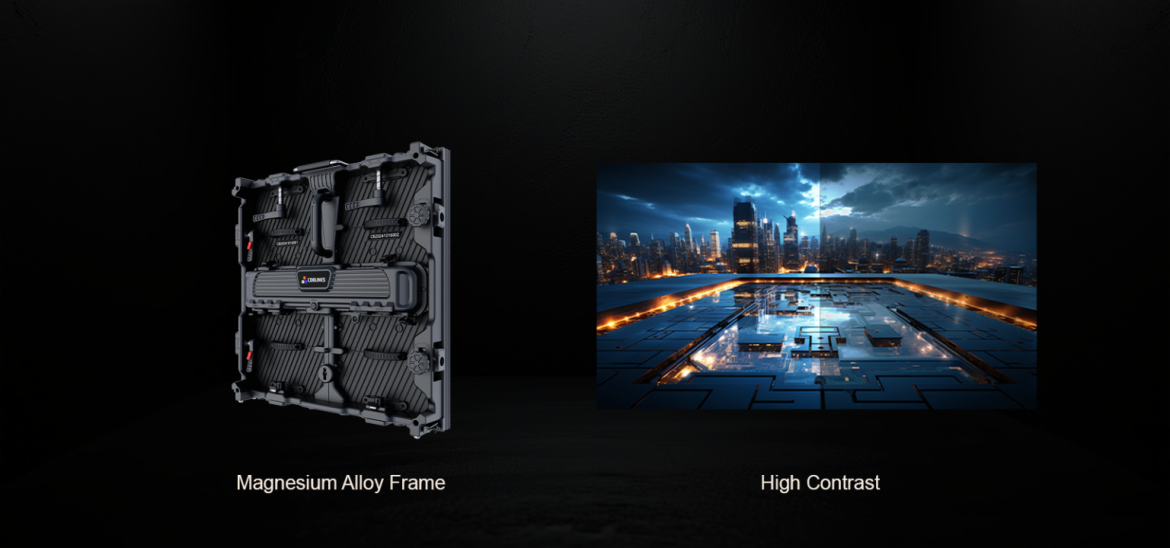
Back in the day, corporate displays were clunky and static — now they breathe and talk. This evolution story begins with the rise of the LED panel as a practical, durable alternative to neon and projection, especially for exterior façades and busy public squares. You’ll spot that shift firsthand in places like Times Square and across Johannesburg’s CBD, where LED facades replaced older signs. Today an outdoor led screen can handle sunlight, storms and round-the-clock messaging without blinking off — that’s due to improvements in pixel pitch and LED modules that raise clarity and uptime.
Early hardware limits and the first breakthroughs
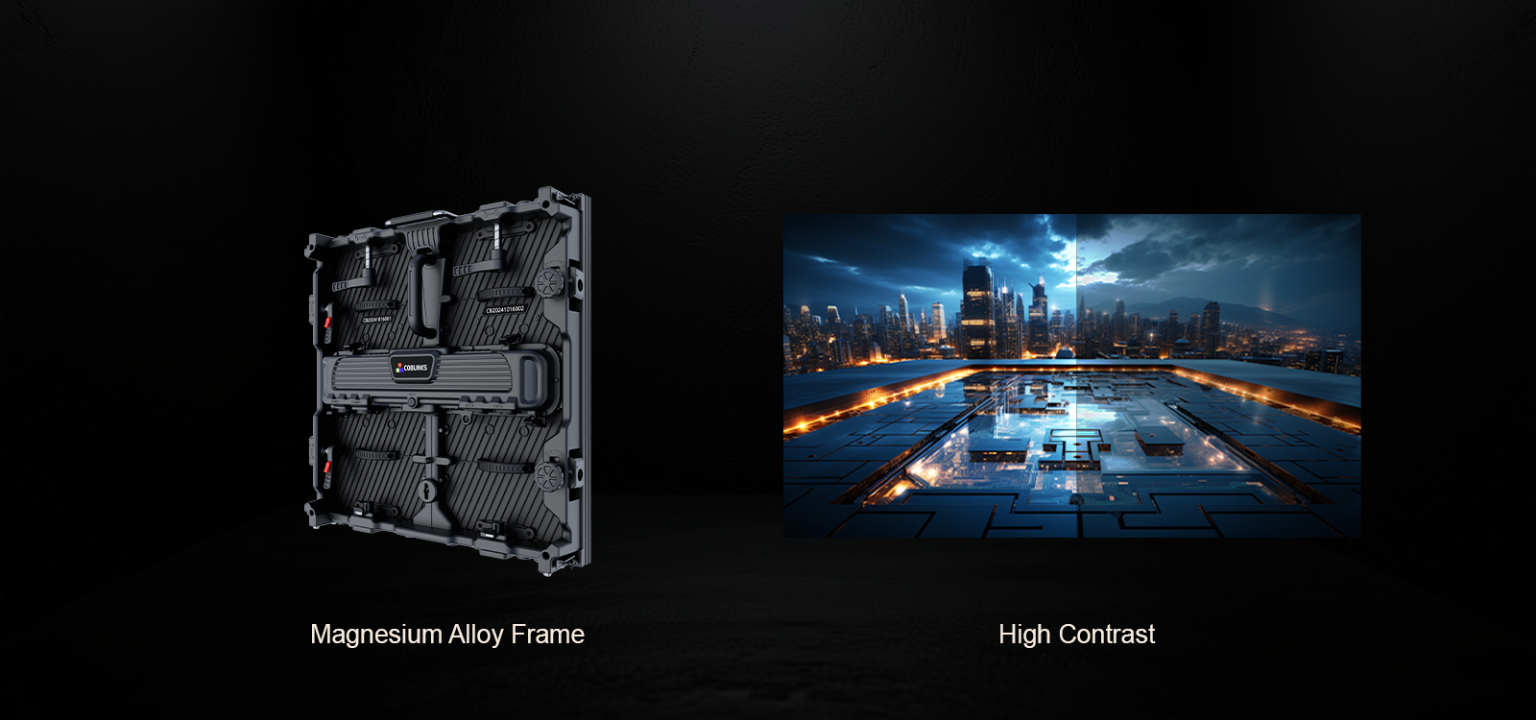
Initially, pixel pitch was the bottleneck: large pixels meant readable text from far away but poor close-up images. Cabinets were heavy and power-hungry, refresh rates were low and brightness control was crude. Then manufacturers slimmed modules, improved thermal design, and brought down power consumption. Brightness (measured in nits) became predictable, and IP ratings for water and dust protection got stricter, so screens stopped failing after the first rainy season. For corporate buyers, reliability shifted from a nice-to-have to a must-have.
What really changed the game
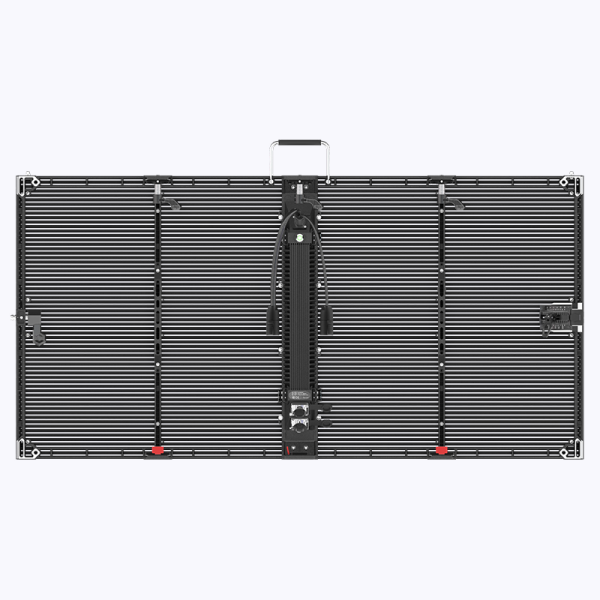
Software and modularity did the real heavy lifting. Control systems now let teams update content remotely, schedule playlists, and sync multiple panels across locations. Refresh rate improvements reduced flicker on cameras, which matters when you’re broadcasting board meetings or live events. LED module standardisation made repairs quick: swap a module, not the whole wall. These are practical wins — no flashy jargon, just fewer downtime calls and an easier operations load. — And yes, those tiny improvements add up to huge cost savings over years.
Corporate use-cases that pushed adoption
Companies started using LED panels for three core needs: external branding on façades, dynamic lobby displays for visitors and staff, and large-format conferencing walls. Retail and finance sectors liked LED for real-time feeds and promotions; universities used them for wayfinding and announcements. The key anchor here is how urban centres like New York’s Times Square and major event venues proved LEDs could handle continuous operation and high visibility, which convinced conservative corporate buyers to take the leap.
Common mistakes and better options
Lots of projects go wrong because buyers choose the cheapest product, ignore viewing distance, or skip proper mounting and ventilation. Typical missteps:- Buying a low-resolution panel for a close-view lobby instead of a high-density unit.- Underestimating brightness, so outdoor messaging looks washed in daylight.- Forgoing proper power and grounding planning, which causes intermittent failures.There are alternatives: for close-range indoor walls choose a fine-pitch LED or microLED; for lightweight temporary installs prefer rental-friendly cabinets. When outdoors, confirm the IP rating and heat-dissipation specs before signing off. An outdoor led display screen that meets those checks lasts far beyond the warranty period.
Three golden rules for picking the right setup
Rule 1 — Match pixel pitch to viewing distance: let clarity guide the spec, not price. Rule 2 — Verify environmental specs: confirm brightness (in nits), IP rating, and thermal specs for local weather. Rule 3 — Plan for maintenance: choose modular cabinets and clear access routes for quick swaps. Follow these and you’ll cut surprises during commissioning and reduce operating hiccups. For hands-on value, companies like Coblinks offer product lines and installation know-how that bridge the gap between spec sheets and real-world performance.
Final thought — LEDs changed how workplaces communicate, and picking the right panel turns that change into steady value. —
