


The core problem
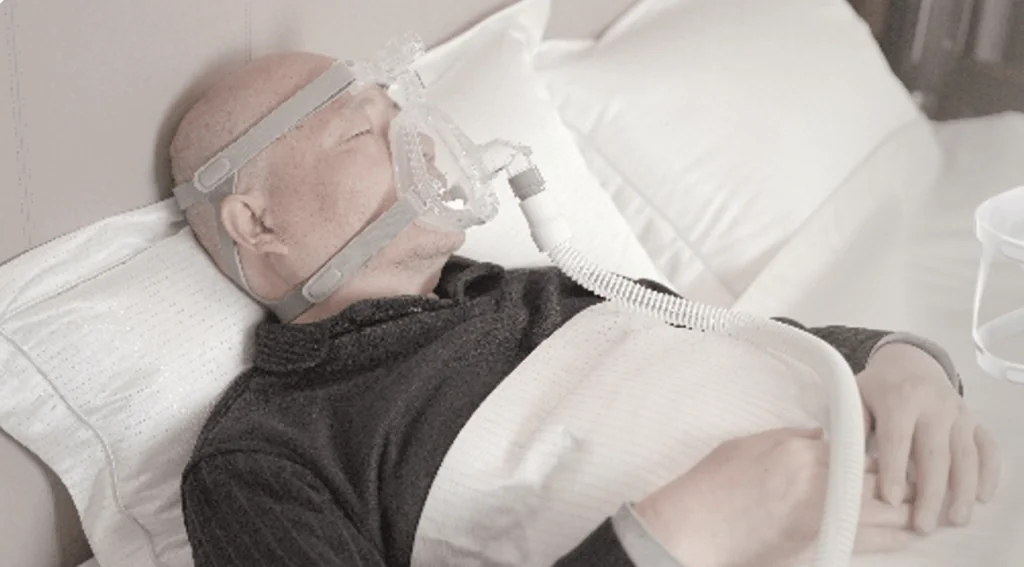
Clinicians and patients both know the promise: noninvasive ventilation should cut symptoms and improve sleep. Instead many folks still wake tired, struggle with mask fit, or stop therapy early. That gap often isn’t the device alone — it’s how it meets real lives. If you’re shopping, start with practical choices like a reliable cpap device that supports easy setup and consistent pressure delivery.
How BiPAP actually affects therapy
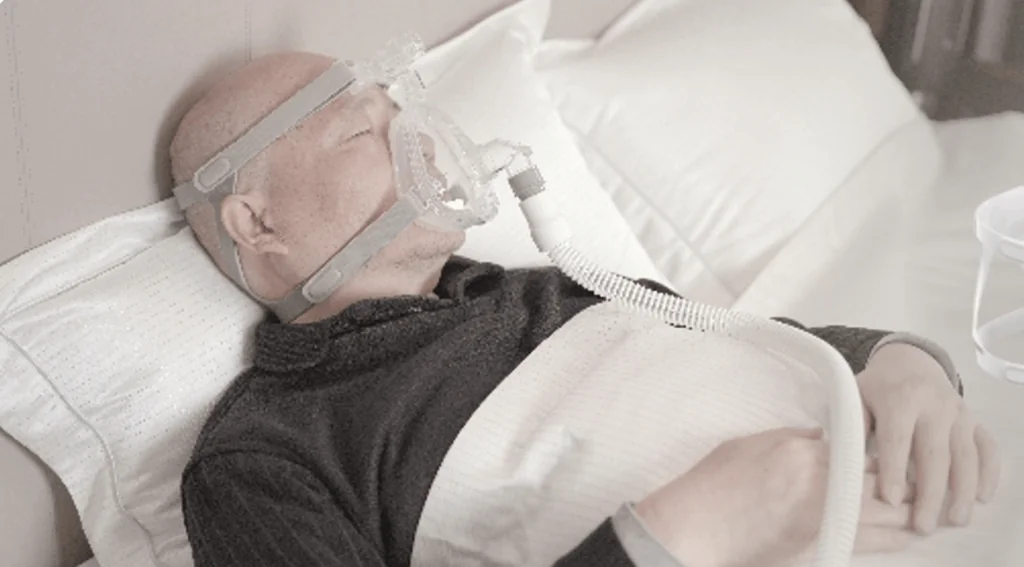
BiPAP (bilevel positive airway pressure) gives two pressure levels so some patients tolerate breaths better than with fixed-pressure PAP. That can lower the apnea-hypopnea index (AHI) and reduce daytime sleepiness when titration is done right. Still, benefits depend on correct pressure support, mask seal, and user coaching. Poor mask fit or untreated mask leak blunts the effect — you might see numbers improve on a machine report, but symptoms stay. Real-world: the American Sleep Apnea Association estimates about 22 million Americans have sleep apnea, so these practical failures matter at scale.
Where most plans break down
Common operational mistakes are simple and fixable. Providers often undershoot education, pick complicated interfaces, or skip remote monitoring. Patients get a machine, but not hands-on troubleshooting. Then they blame the gear. — Small wins like quick mask swaps or pressure ramping can flip adherence. Also, choosing between BiPAP and an auto cpap should be clinical, not marketing-driven: some mild-to-moderate obstructive sleep apnea patients do fine on auto-adjusting PAP, which auto-titrates and simplifies setup.
Alternatives and practical fixes
When BiPAP underdelivers, try these moves: optimize mask fit and cushion material; verify titration settings; use humidification to cut dryness; and enable compliance tracking. For many users, switching to an auto cpap with proven leak compensation and clear device reports reduces follow-up churn. Telemonitoring helps catch issues before abandonment — a quick remote pressure tweak beats a clinic visit. Also remember: patient comfort often hinges on small ergonomic details, not flashy feature lists.
Real-world anchor: what data and clinics show
Across sleep centers in Boston and nationwide clinics, teams report the same pattern: objective metrics can improve without meaningful symptom relief unless you address behavior and setup. Published program evaluations and clinical teams highlight adherence as the true outcome — not just overnight AHI. Field teams lean on titration protocols and mask trials to boost compliance, and those process steps correlate with better daytime function in follow-up visits.
Common technical terms that matter
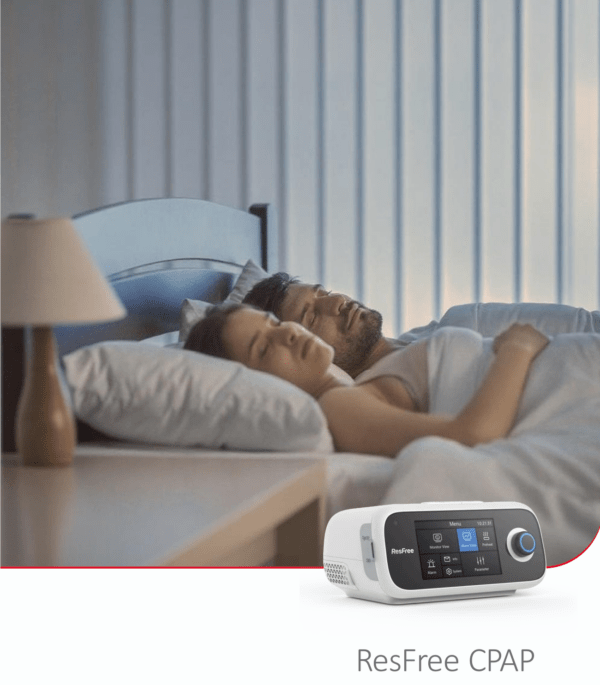
Know these and you’ll talk smarter with clinicians: pressure support (the delta between inhalation and exhalation pressures), titration (setting therapeutic pressures), and mask leak (air escaping at the seal). These affect therapy effectiveness and device reports, and they should guide any swap between BiPAP and other PAP devices.
Golden rules for choosing and optimizing devices
Use these three evaluation metrics when picking gear or crafting a therapy plan:
– Adherence potential: measure ease of use, cushion options, and availability of night-by-night compliance data.
– Clinical fit: match device capability (fixed PAP, auto-titrating, or BiPAP) to diagnosed physiology, not to marketing specs.
– Support loop: prioritize brands and suppliers that offer quick mask replacements, remote monitoring, and clear escalation paths.
Closing advisory and final note
Pick tools that reduce friction first; tech features come second. When teams focus on pressure titration, mask fit, and follow-up, outcomes improve measurably. And when a device company supports fast replacements and remote tweaks, patients stick with therapy longer — that’s where real impact shows. Byond. — trust practical design over gimmicks.
