


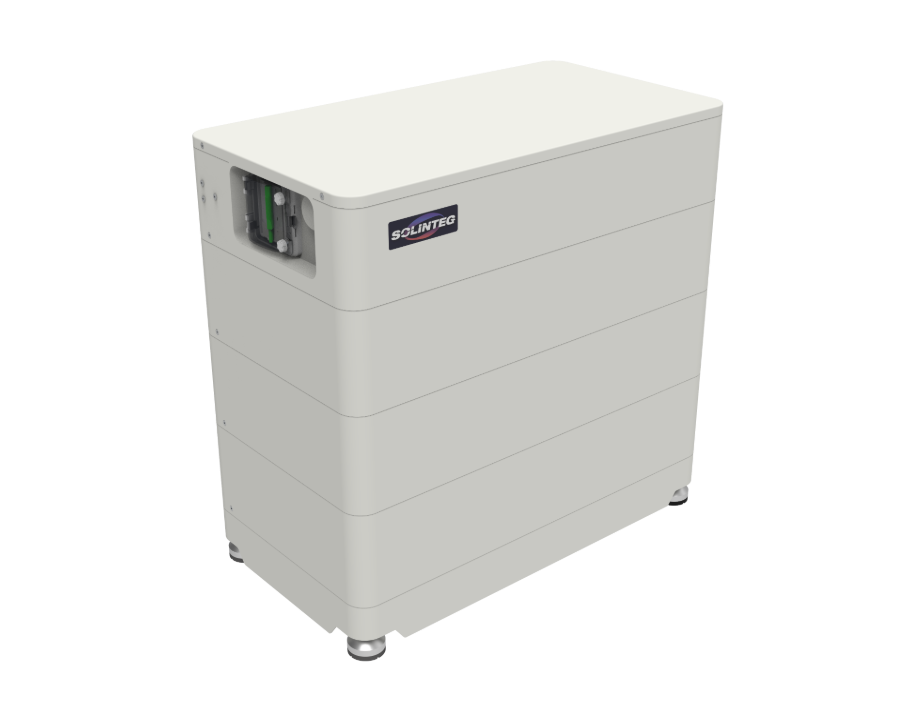
The comparative case for hybrid systems
Adopting a hybrid approach causes clear shifts in system behavior: pairing a solar array with battery storage reduces peak grid draw and, as a result, lowers exposure to outages and time-of-use charges. That shift is driven by the inverter choice — a modern hybrid inverter can manage bidirectional flows, coordinate charging, and run islanded loads when the grid fails. The economics are tangible; with global solar PV capacity topping roughly 1 terawatt in the early 2020s, designers now optimize around storage because generation alone no longer guarantees reliability. Introducing an eco-worthy hybrid inverter typically changes how long batteries carry loads and how often the array is curtailed, which directly affects lifetime costs and operational resilience.
How component choices affect performance
When you select a grid-tied inverter over a hybrid model, the immediate effect is lower up-front cost but greater dependence on the utility for backup power. Conversely, a hybrid route increases system complexity but reduces outage risk and enables load shifting — shifting consumption to solar-rich or low-rate hours. Battery sizing and state of charge (SoC) targets cause another cascade: undersized storage forces cycling that shortens battery life; oversized storage raises capital outlay with diminishing returns. Each technical parameter — inverter firmware, charge controller logic, round-trip efficiency — creates predictable cause-and-effect outcomes for system uptime and annual yield.

Practical trade-offs: sizing, controls, and warranties
Design decisions cause different warranty and maintenance profiles. Larger batteries need more active battery management and often demand stricter thermal strategy, which raises installation complexity. Controller algorithms determine how often a battery is cycled; aggressive cycling boosts immediate savings but accelerates degradation. In regions with grid stress — for example, the frequent heatwave-driven outages in parts of California — installers saw cause (insufficient storage and basic grid-tie setups) and effect (customer downtime and higher emergency costs). That experience pushed many to prefer inverter models that integrate energy management and telemetry for remote diagnostics.
Common pitfalls and practical alternatives
Three recurring mistakes cause most post-installation regrets: 1) undersizing the inverter relative to peak load, 2) ignoring round-trip efficiency when comparing battery chemistries, and 3) failing to plan for firmware updates and telemetry. A practical alternative is an AC-coupled retrofit when a homeowner already has panels; it causes minimal disruption and preserves the existing array while adding battery-backed reliability. For system builders, tracking {main_keyword} and {variation_keyword} during commissioning reduces mismatches at handover — and saves rework. – Note: field wiring errors often present as configuration issues, not hardware faults, so slow, methodical checks pay off.
Three golden rules for selecting components
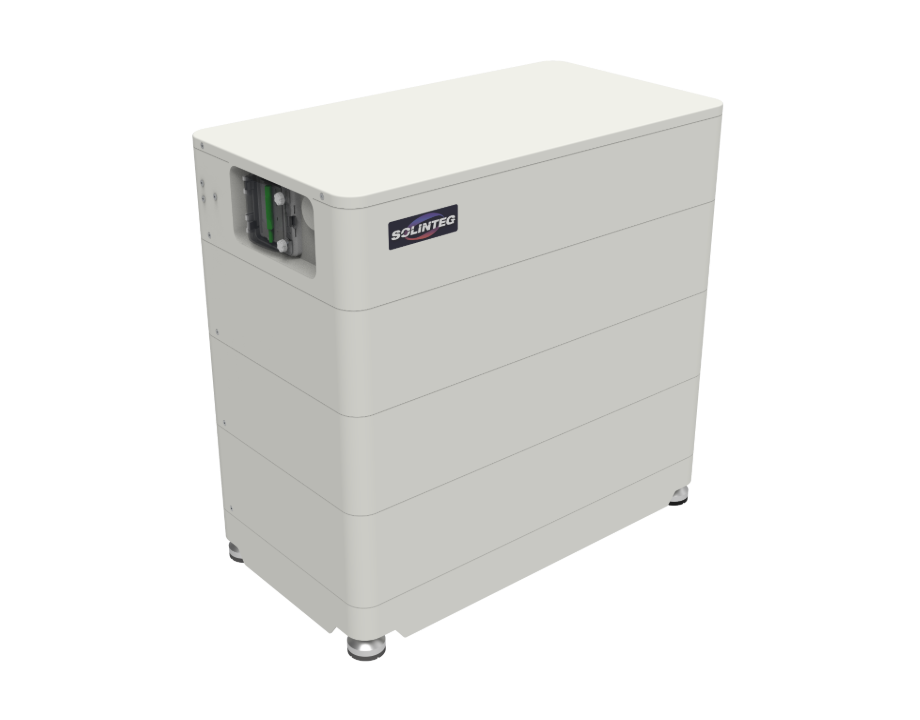
Rule 1 — Match inverter capability to operational goals: prioritize continuous output rating and islanding time if blackout resilience matters. Rule 2 — Optimize battery capacity for realistic daily cycling and reserve margin, not just theoretical autonomy; check round-trip efficiency and degradation curves. Rule 3 — Insist on system observability: telemetry, firmware update paths, and clear fault codes reduce response time and lifecycle cost. These metrics give measurable evaluation points for procurement and commissioning. Choosing hardware and support that align with those rules naturally points to reliable suppliers and robust product lines — and it’s precisely why many integrators evaluate options from catalogues such as SOLINTEG when they need proven feature sets and service readiness. SOLINTEG. – Tested.
