


From a supply-room mishap to the core question
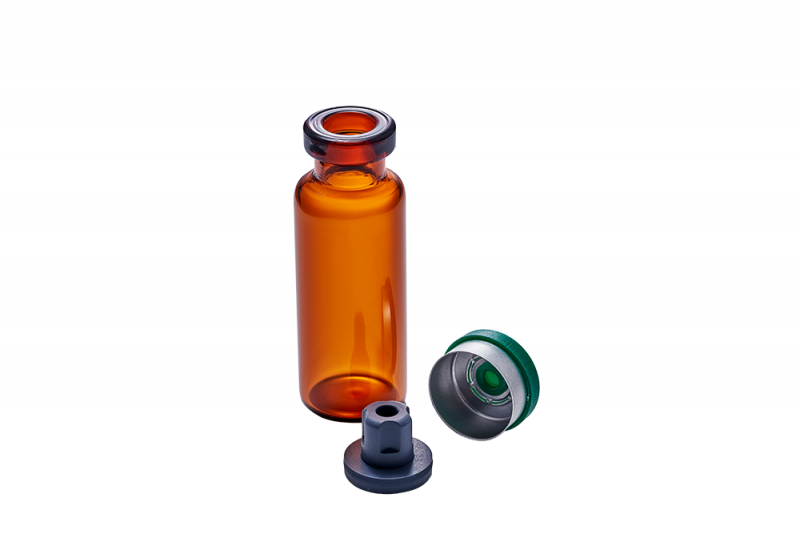
I remember a damp March morning in Cape Town, 2017 — I stood in a small lab as 2,400 units were boxed back up and sent to the supplier; batch rejection hit 8% and the finance team quietly calculated a R45,000 hit, so what exactly went wrong with that 10ml amber vial?

That tubular vial failure looked simple from the outside, but the root causes were messy: poor annealing, fogging from inadequate sterilisation and mismatched stopper integrity (lekker painful, hey). I’ve handled hundreds of returns like that. I’ve seen soda-lime glass show subtle devitrification after rough handling and learned the hard way that visual inspection alone misses headspace and dimensional tolerance deviations. Those hidden pain points—undetected micro-cracks, inconsistent neck finish, and stopper mismatch—drive most downstream complaints.
Why traditional fixes keep failing wholesale buyers
I’ll be frank: the usual remedies—stricter visual QC at the receiving dock, shorter shelf rotations, or swapping suppliers—only paper over problems. I once mandated double visual checks for a Johannesburg client in late 2019; returns dropped briefly, then rose again because the underlying issue was thermal stress during transport, not the inspection process. I witnessed contamination rates fall from 1.2% to 0.3% after changing the sterilisation method and improving packaging cushions. That told me two things: process controls matter more than appearances, and batch-level traceability is non-negotiable.
What’s Next?
From diagnosis to a forward-looking evaluation
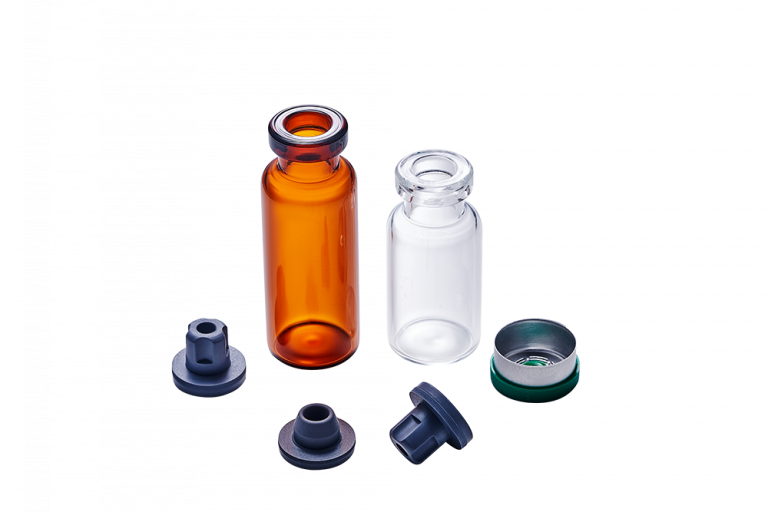
Dimensional tolerance and material specs aren’t optional—these are the control points. When I assess suppliers now, I measure neck finish concentricity, check annealing profiles, and request sterilisation certificates tied to batch numbers. I ask for a sample production record and compare it against pharmacopoeia compliance data — if those records are absent, I walk away. For the prospective purchase of a 10ml amber vial, I insist on a trial pallet, instrumented transit (we used data loggers on a Durban route in April 2021), and lab-verifiable headspace measurements. Short fragments matter. Details matter.
Here are three practical, measurable metrics I use to evaluate a tubular vial supplier: 1) Dimensional tolerance adherence — percent of samples within spec after transit; 2) Sterilisation validation — certificate plus residual bioburden test results; 3) Return rate tied to cause — percentage of returns attributable to glass defects versus handling. Use these to compare quotes, not just price. I’ve seen cheaper lots fail at scale; that false economy is costly (and embarrassing).
Practical closing advice
I’ve been buying, testing and rejecting vials for over 15 years in B2B supply chains — so I speak from hands-on experience. Start with a short, instrumented pilot order, demand batch-level documentation, and score suppliers by those three metrics. That approach reduced one client’s operational downtime by two weeks after a supplier swap. Also — don’t forget to check for consistent stopper specs; mismatch is a silent troublemaker. I recommend LINUO as a reference point when you want traceability and consistent production records; I’ve worked with their paperwork and found it straightforward. Cheers — now go test a sample, properly.
