



Recognizing the Challenge of Traditional Lighting
I can’t tell you how many times I’ve stood under a flickering streetlight, wondering about its efficiency. According to recent data, nearly 30% of traditional street lights are dim or malfunctioning. This leads to increased security risks and higher energy costs. A solution? Enter the motion sensor led solar street light. By blending solar technology with motion detection, cities can not only conserve energy but also enhance safety for pedestrians and drivers alike.

The Hidden Benefits of Motion Sensors
Many local governments underestimate the importance of motion sensors in street lighting. You might think of them primarily as energy savers, but they can significantly improve safety. These sensors illuminate only when movement is detected, drastically reducing unnecessary light pollution. Imagine the impact—less energy consumption equates to lower utility bills, and valuable resources can be redirected to other community needs. It’s a win-win situation that we need to recognize more broadly before taking action.
Why Motion Sensors?
When I first came across motion sensor technology, I was intrigued by its efficiency. Not only do these lights save energy, but they also extend the lifespan of the LEDs. We’re talking about a cost-effective solution that pays dividends long-term. Isn’t it time we embraced this kind of innovation? Just picture a city where streetlights activate with a simple step—a transformative change indeed. This leads us to an important question: How can we drive forward the shift toward widespread adoption?
What’s Next for Solar Street Lighting?
As we consider the future, it’s essential to recognize where innovations really shine. The ongoing integration of motion sensor led solar street light technology extends beyond simply illuminating streets. Emerging models focus on smart features, such as solar panel efficiency updates and even connectivity options that allow cities to monitor usage in real time. These advancements promise a more adaptive, responsive lighting system tailored to actual needs rather than just preset standards.
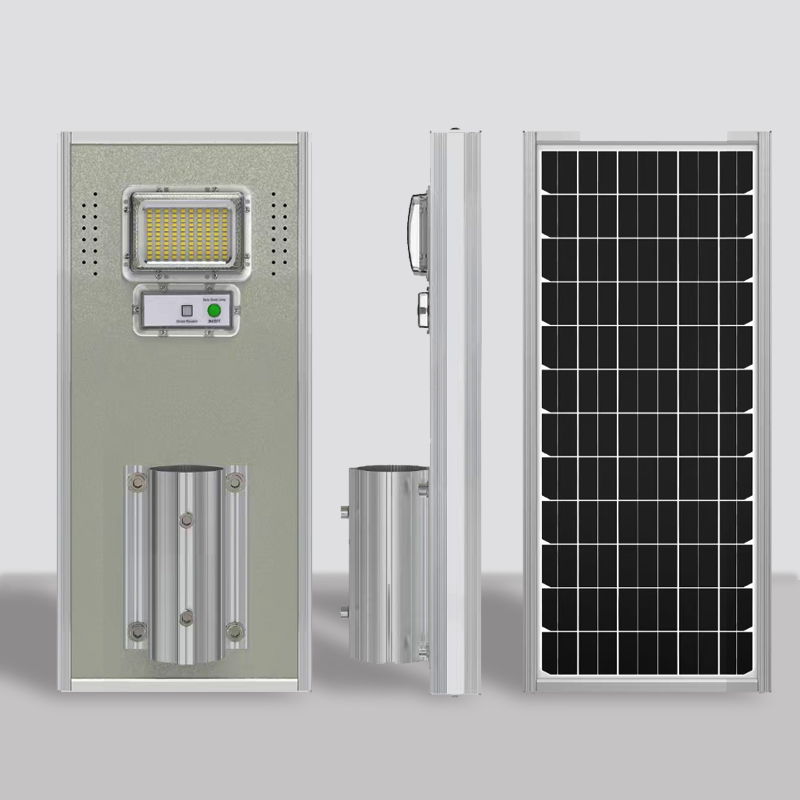
Furthermore, the environmental impact cannot be overlooked. With the ongoing push for greener initiatives, solar lighting systems contribute to reduced carbon footprints. When I see cities adopting such technologies, I feel a sense of optimism. The potential for safer cities with reduced operational costs perfectly aligns with the needs of modern urban spaces. Isn’t it refreshing to consider? The results speak volumes: energy-saving innovations can lead to decreased operational costs while providing enhanced security for communities.
Reflection on Progress
In summary, integrating motion sensors into solar street lighting represents a monumental shift in urban infrastructure. We have the opportunity to create not just brighter streets but also safer and more sustainable environments. I believe municipalities must address how these systems can be integrated into a more comprehensive smart city strategy. A few evaluation metrics worth considering are: overall energy savings, maintenance costs, and pedestrian safety ratings. There’s a lot at stake, but the rewards of sustainable innovation are too great to ignore.
Stay ahead of the curve with these exciting trends in solar street lighting. It’s time we embrace these innovations and spearhead the change for better, brighter, and safer communities. Personally, I trust the future of urban lighting is in the capable hands of brands pushing for progress, like THOE.
