


Introduction — a quick shop scene, some numbers, a question
I once stood in a tiny print shop while a vinyl cutter belched fumes into the room; the owner shrugged and turned up the music (we’ve all seen that shrug). In the second sentence, I want to be blunt: fume extraction products are the unsung safety gear that too many operators relegate to “nice to have.” Recent surveys show shop owners report lingering odors and headaches in roughly 40% of small-format printing setups — that’s not a detail, it’s a red flag. So I ask: are we choosing gear that actually cleans the air, or just boxes that look like solutions? This piece walks through real user pain, the tech that matters, and how I’d evaluate systems if I ran a shop tomorrow. Stick with me — next I’ll dig into why the obvious fixes often miss the point.
Digging deeper: what’s wrong with the usual fixes?
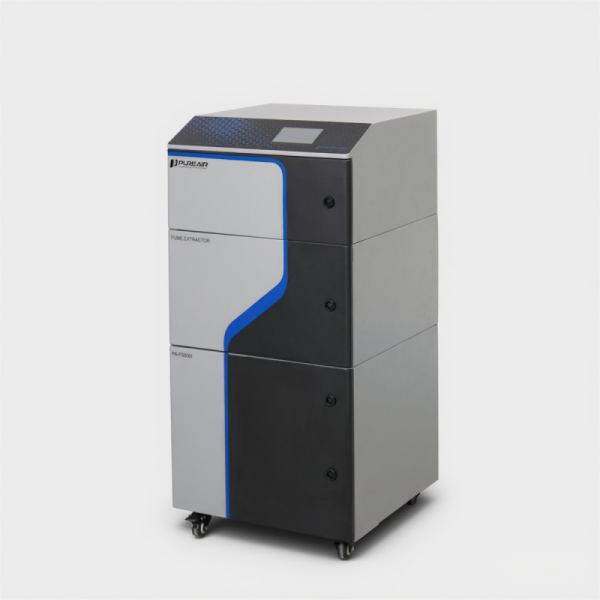
Let’s be specific: the typical approach—ducting a fan to the outside or buying a cheap hood—sounds fine until it isn’t. A well-installed printer fume extraction system should capture particles and gases at the source; many setups fail before they start because they ignore flow dynamics and filter performance. I’ve watched shops pair undersized inline centrifugal fans with low-efficiency filters; the result is noise, energy waste, and smelly corners where VOCs hide. From my perspective, that’s unacceptable. Look, it’s simpler than you think: matching capture velocity to the process and using the right media matters more than flashy controls.
Technically speaking, several flaws repeat themselves. First, filter mismatch: users pick a generic HEPA filters stage but forget activated carbon for gas-phase contaminants, so odors and VOCs persist. Second, inadequate airflow design: too little face velocity at the source means fumes escape before the system can act. Third, maintenance neglect—filters clog, power converters strain, and performance collapses. I call these ‘slow failure modes’ because they creep up: a system that worked at install can underperform six months later if monitoring—like VOC sensors or basic pressure drop checks—is absent. We need pragmatic fixes: right-sized fans, proper filtration stacks, and simple monitoring (even a basic sensor alarm). If we don’t design for the real workflow, users will bypass controls — and you know what that looks like: open doors, box fans, temporary fixes. — funny how that works, right?
Why does this still happen?
Because buyers are pressed for cash, vendors oversell specs, and installers treat airflow like plumbing. I don’t blame people; I’ve been there too. Still, when you add up noise complaints, filter swaps, and wasted energy, the cost is clear. A smarter approach starts with honest diagnostics, not shiny brochures.
Forward-looking ideas: tech principles and practical checks
What should we build toward? I favor systems that combine good old physics with selective smart features. A next-gen printer fume extraction system will prioritize source capture and modular filtration—HEPA for particulates, activated carbon for VOCs, and optional catalytic stages for specific chemistries. Add simple on-board telemetry (edge computing nodes can run a tiny analytics stack) so shops get alerts before performance collapses. We’re not chasing buzzwords; we want measurable capture efficiency, user-friendly maintenance, and predictable operating cost. I’d trade a flashy touchscreen for a clear maintenance schedule any day.
Practically, that means three things: design capture hoods to match the process, choose inline centrifugal fans sized for real-loss calculations, and include straightforward sensors for pressure drop and VOCs. Then train the crew: even the best system needs someone who knows when to change the cartridges. You’ll save time and money over the long run — trust me, I’ve seen the math work. Also — small aside — modular filter carts make swaps less miserable for technicians, and yes, that improves compliance. So where does that leave you? With a plan, not a product brochure.
What’s Next: how to pick the right system
Before you buy, I recommend evaluating three core metrics: capture effectiveness at the source, lifecycle operating cost (energy + filter replacement), and maintainability (can a tech swap filters in 10 minutes?). These are not glamorous numbers, but they tell the true story. Compare vendors on those axes and ask for on-site smoke tests. If a vendor resists a simple capture demo, walk away. I want you to end up with equipment that your team actually uses — that matters more than spec sheets.
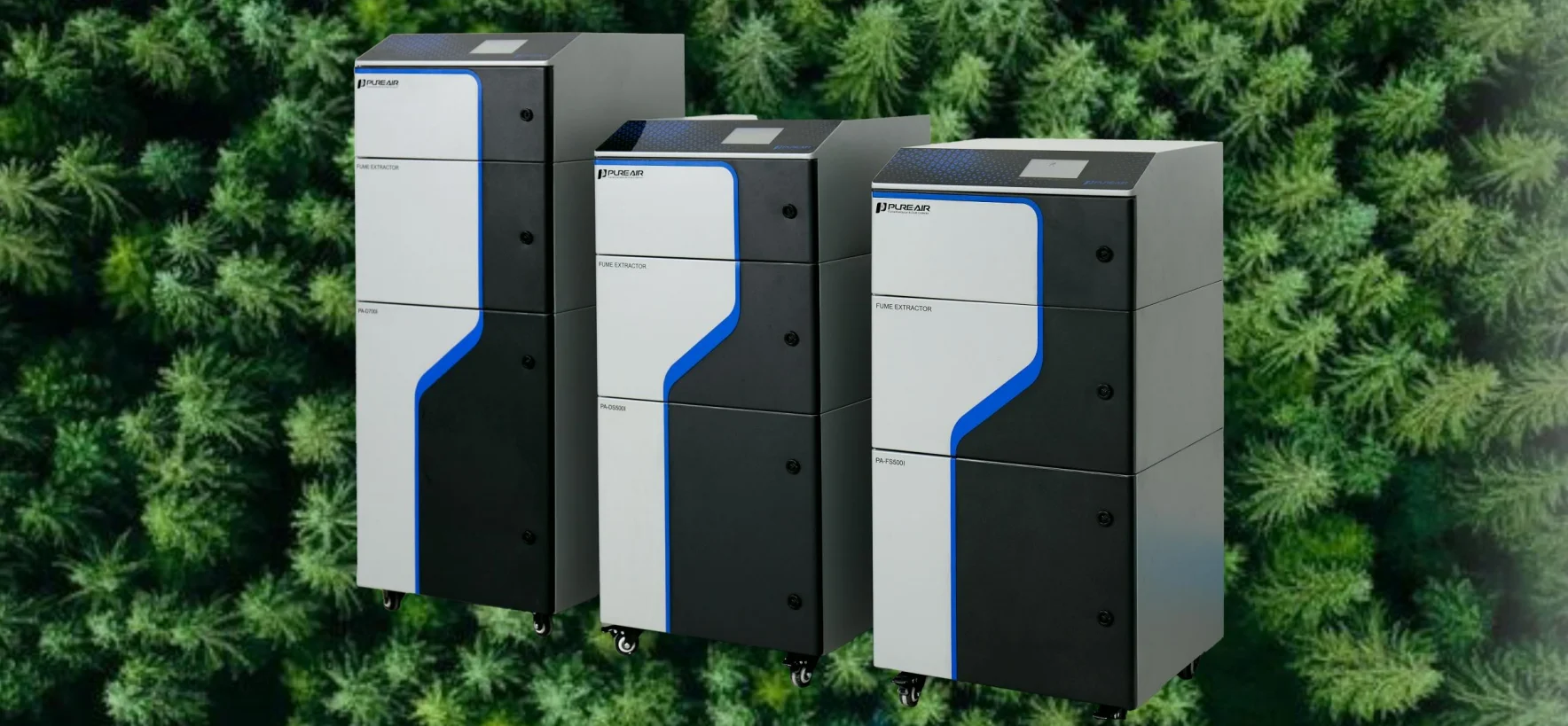
In the end, I keep coming back to a simple idea: design for the user. When shops get equipment that’s easy to maintain, sized correctly, and transparently tested, people adopt it. That lowers exposures, cuts complaints, and saves money. If you want a practical partner that understands those trade-offs, check how PURE-AIR approaches real shop problems — and then decide with data, not hype. PURE-AIR
