


Introduction: A Small Scene, A Big Signal
I once watched a friend set up a red light panel in his garage and smile like he’d just solved a minor mystery. He’d read reviews, compared specs, and still hesitated—because data can confuse as much as it can guide. In the second sentence: when a red light therapy company promises easy recovery and clearer skin, people expect clear numbers and honest trade-offs. Industry surveys often show nearly half of new users stop after a few sessions because results are slow or device setup feels clunky. So I ask: how do we pick a device that actually fits a real life, not a lab note? (Yes, I’m asking the practical question you wanted answered.)
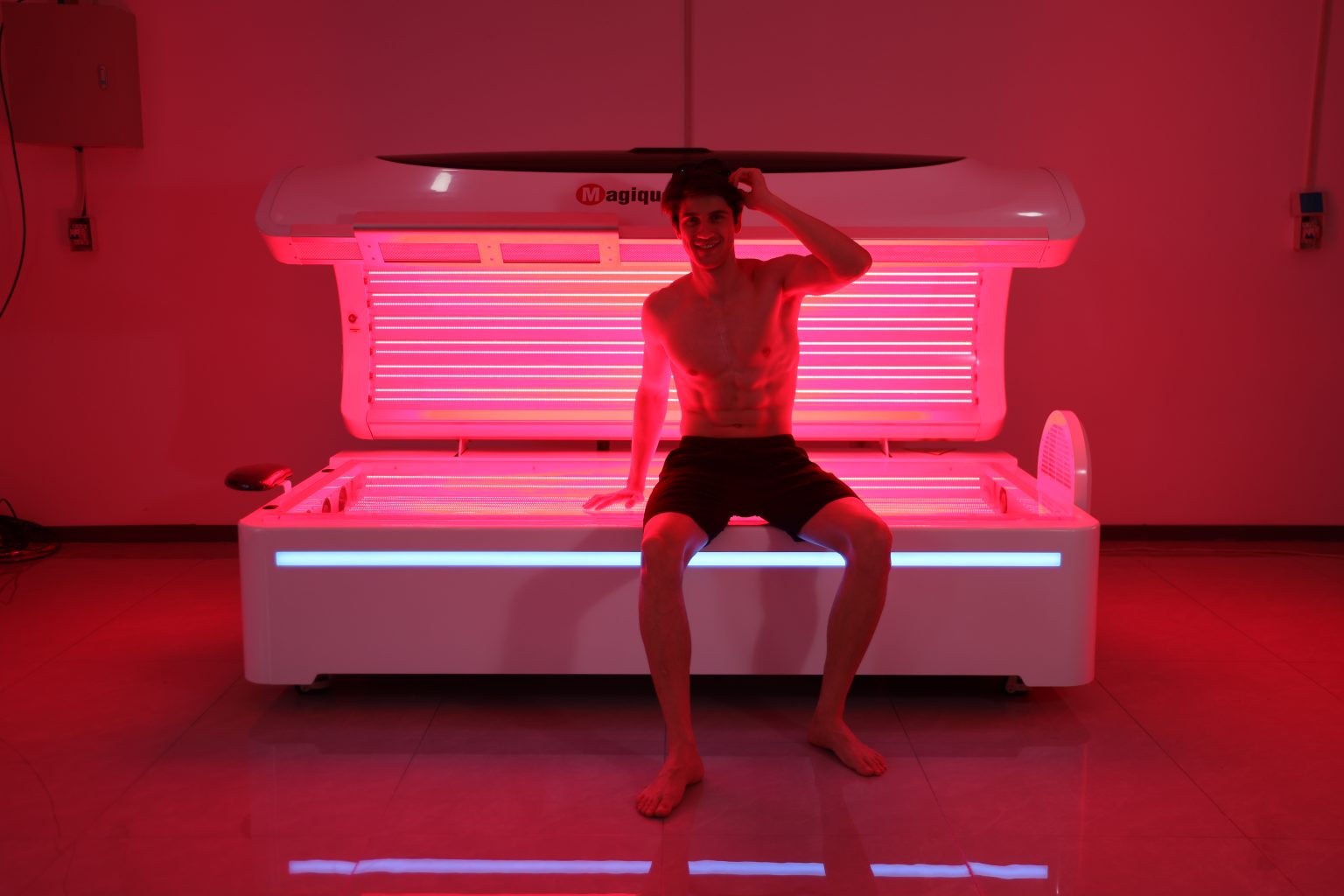
I’ll keep this calm and organized. I’ll name the common traps, and I’ll point to what matters: wavelengths, irradiance, and real user fit. I want you to leave with a clear checklist—not a fog of specs. Let’s move from that little garage scene to the nuts and bolts behind the labels. Next, I’ll dig into where most solutions fall short.

Why Many Current Solutions Miss the Mark
First, a quick link to a place that tracks leaders in the field: top red light therapy companies. I put that here because comparing leaders helps me spot repeat mistakes. In my view, three patterns keep repeating: overemphasis on marketing numbers, poor heat and power design, and vague user guidance. Technically, people talk about wavelength bands and fluence, but they skip how those specs pair with device layout and power converters. That gap matters. When designers chase a headline wavelength, they may ignore irradiance uniformity across LED arrays. The result: a device that looks powerful on paper, but gives uneven dosing in practice.
What specifically fails?
Manufacturers often list peak wavelength and total watts. Yet they omit how those watts spread over surface area. I see buyers assume higher wattage equals faster results. Not true. Photobiomodulation depends on delivered fluence—how much light each square centimeter gets. Look, it’s simpler than you think: consistent irradiance beats flashy total watt numbers. Also, heat management is a silent problem. Poor cooling shortens LED life and alters output over time. I’ve heard technicians call this “drift”—funny how that works, right? You end up replacing a unit that promised long life. Lastly, setup instructions are sparse. Users need clear session time, distance, and safety checks. Without them, good tech still fails at the user level.
Looking Ahead: Practical Advances and Real-World Steps
Now I switch gears. Instead of pointing out flaws, I want to sketch where real improvement comes from. One path is better engineering: modular LED arrays with matched drivers and smarter heat sinks. Another is clearer user guidance—simple dosing charts tied to device irradiance. I’ve seen pilot models that include basic sensors to confirm output during a session. That kind of feedback closes the loop between lab specs and at-home use. Also, marketplaces that vet products against real performance data—like the metrics used by top red light therapy companies—help buyers spot honest options.
What’s Next?
In the near term, expect two trends: devices that report true irradiance at distance, and better documentation that links those numbers to session time. Semi-formal testing standards will help, too. For users, this means less guesswork. For makers, it means designing with end users in mind—power converters and cooling made for long runs, not just a spec sheet. We should also expect more cross-checking from third-party reviewers. — there’s momentum building, and I’m optimistic.
Closing: How I Evaluate Devices — Three Key Metrics
I’ll leave you with a short checklist I use when I advise friends or write guides. These three metrics cut through marketing noise. First, true irradiance at typical use distance (mW/cm²) — that tells you actual dose. Second, uniformity across the treatment surface — avoid hotspots and gaps. Third, thermal and electrical design quality — look for robust heat sinks and reliable power converters; they keep output steady over time. If a seller can’t give clear answers on these, I move on. Simple, practical, and honest. I want you to make a choice that fits your daily life, not just a lab spec—because in the end, it’s about living better, not collecting data. For reliable options and more detail, consider the hands-on resources from Magique Power.
