


Introduction — Why this matters now
Who should be allowed to shape the future of a product everyone uses daily? I ask this because choices made at the factory floor ripple out to health, cost, and waste. As a professional observer, I see that wet wipes machine manufacturer decisions determine product quality, supply stability, and even regulatory risk.
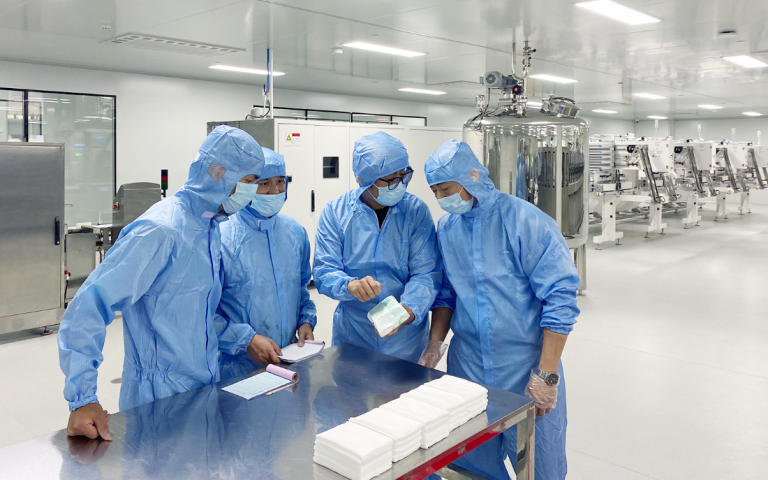
Consider the numbers: global demand for disposable wipes has climbed steadily, with many firms scaling fast (and cutting corners). Wet wipes machine manufacturer selection isn’t a side note — it’s central to reliability and compliance. So what do you look for first when the bids come in and the deadlines loom?
We’ll argue the case plainly: procurement teams must judge machines not just by price, but by uptime, control precision, and service. I’ll walk you through what I’ve learned — practical, direct, and a bit opinionated — so you don’t buy problems disguised as savings. Next, I’ll dive into the flaws and hidden pains that vendors rarely admit.
Part 2 — Hidden flaws and user pain points in wet wipes manufacturing machine choices
What are the real weak spots?
I’ll be blunt: many factories buy on specs that sound great on paper but fail in practice. Early on, I always check the wet wipes manufacturing machine control architecture. Machines with poor PLC configuration, weak tension control, or inadequate servo motor sizing create variations in sheet quality and waste. Those problems sneak up during peak runs — and then everyone scrambles.
Look, it’s simpler than you think: maintenance access matters. If the rotary cutters or ultrasonic sealing heads are hard to reach, an operator’s small fix becomes a day-long downtime. I also watch for weak power converters and flimsy frame designs that amplify vibration. Vendors will tout cycle speed, but speed without stable tension control or consistent nozzle system performance is a recipe for rejects — funny how that works, right?
Part 3 — New principles and practical metrics for future-ready purchases
What’s Next: smarter machines, smarter choices
Looking ahead, I favor machines built on modular principles and clear diagnostics. Modern wet wipes manufacturing machine platforms (yes, the link again: wet wipes manufacturing machine) should expose fault codes, support remote PLC updates, and isolate subsystems so a failure in a feeder doesn’t stop the whole line. I’ve seen how modularity reduces mean time to repair — and I back that up with project work where it cut downtime markedly.
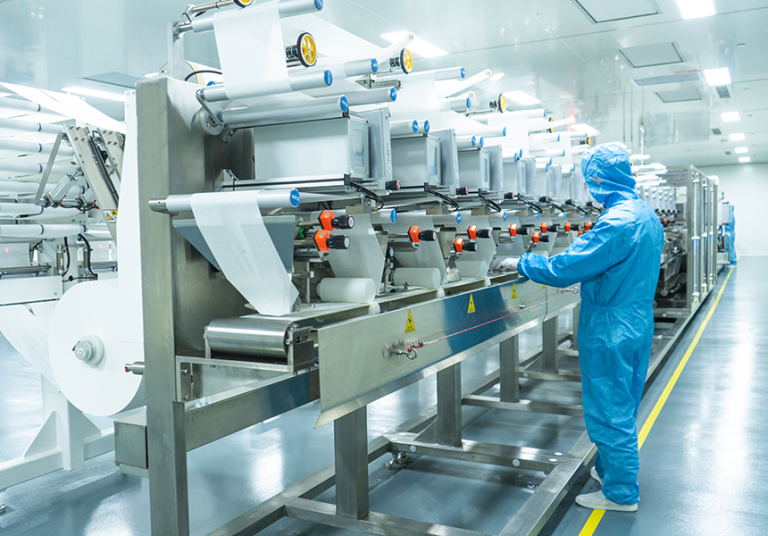
Here are three metrics I use when advising teams. First, mean time between failures (MTBF). Second, spare-parts commonality — fewer unique parts mean faster fixes. Third, diagnostic clarity: does the HMI tell you the root cause or just “error”? Measure those, and you’ll avoid many hidden costs. In short: prioritize uptime, serviceability, and control transparency — measurable. I mean it. — and yes, those choices cost a bit more up front, but they save you labor, rejects, and stress.
To wrap up, I recommend you evaluate suppliers against the three metrics above and insist on trial runs under your conditions. We’ve learned that buying a wet wipes line is really a people-and-process decision wrapped around equipment. Choose wisely. For hands-on collaboration and reliable lines, consider partners like ZLINK.
