


Introduction: A Question That Starts the Journey
Have you ever stood on a dock and wondered why the same-looking boats perform so differently out on open water?
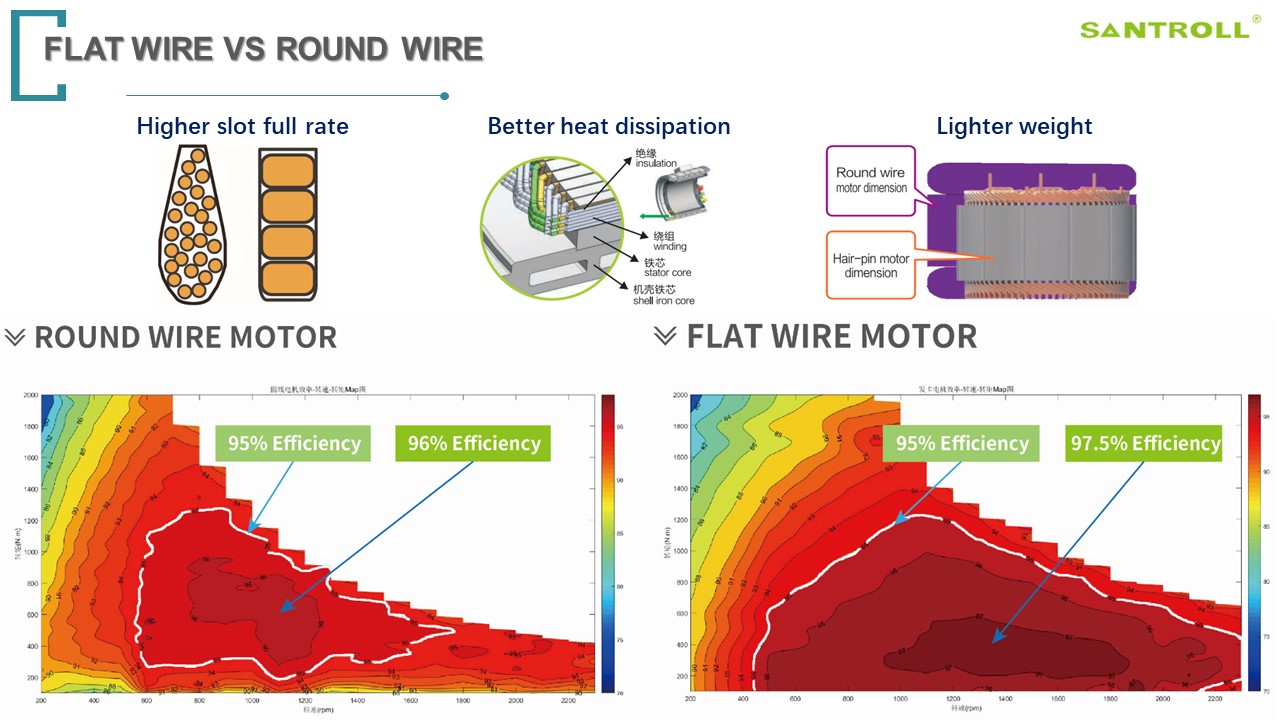
I often begin from a simple place: the electric motor is no longer an exotic upgrade; it’s the core of modern marine propulsion, and adoption numbers are climbing—roughly 12% year-on-year in small craft sales (a conservative estimate from recent market reports). Given that shift, I ask: how do you pick a drive that matches real use, not showroom specs?
In my experience working with operators and designers across the region, I see three recurring scenarios—short commutes, long-range fishing trips, and leisure cruising—that demand different answers. I’ll lay out practical comparisons, cite a few technical points (torque, efficiency, controller behavior), and keep it direct so you can make a smarter selection. Next, let’s inspect where standard solutions usually fall short.

Part 1 — Where Traditional Marine Drives Falter
electric boat motors promised smooth, quiet propulsion, but many standard setups still disappoint in everyday use. I want to be frank: manufacturers often prioritize peak power figures and ignore real-world duty cycles. That matters because torque curves, thermal limits, and the power converter’s behavior under partial load shape the real experience more than a headline kilowatt number.
Technically speaking, a common flaw is thermal derating. A motor rated for continuous duty at one ambient condition may cut power when you climb out of sheltered waters or run long at low rpm. Likewise, brushless DC systems give good efficiency at one point on the map but can fall off when you need torque at low speed. Look, it’s simpler than you think—choose a system rated across the operational envelope, not just at a single test point. — funny how that works, right?
What fails first?
Usually it’s the controller or the cooling strategy. A controller that limits current too aggressively to protect itself will rob you of usable thrust. And inadequate cooling—especially in saltwater environments—accelerates insulation breakdown and reduces lifetime. These are not glamorous topics, but they are where costs and frustrations hide.
Part 2 — Principles of Next-Generation Electric Motors
Moving forward, new designs focus on matching drive characteristics to mission profiles, rather than selling peak numbers. I’ve studied several prototypes and real deployments; most successful examples combine improved power converters with smarter thermal management and adaptive control software. That convergence lets the unit deliver steady torque at low rpm without overheating or wasting energy—so you actually get better range.
Specifically, modern controllers use dynamic current limiting and field-oriented control to shape torque in real time. That reduces wasted heat and improves efficiency across a broader band. When you pair a well-cooled, brushless motor with an intelligent controller and an optimized propeller, you reduce energy loss and extend battery life—measurable gains, not just marketing claims. — seriously. This is the kind of engineering that changes a boat’s feel on the water.
What’s Next?
Expect more integrated solutions: motor, power converter, and controller designed together. That lowers weight and improves rpm control, which in turn boosts responsiveness and range. I’ll outline three practical metrics in closing to help you evaluate options directly.
Conclusion — How to Judge and Choose
I’ll be concise: when you compare systems, focus on three evaluation metrics—continuous torque at low rpm, true efficiency across duty cycles, and thermal reserve margin under real conditions. Test data matters; ask for curves, not single numbers. Practical trial is invaluable too—spend time on the water with the setup in conditions you expect to face. You’ll learn more in one afternoon than from a spec sheet.
To sum up the insights we discussed: traditional setups often overpromise because they hide thermal and controller limits; modern approaches win by integrating motor design with converters and software; and your best selection comes from comparing real-world torque and efficiency numbers. I’ve seen owners switch based on those three measures and get immediate, tangible benefits—quieter runs, longer range, less maintenance.
For further reading and reliable product details, I recommend checking trusted suppliers like Santroll. I speak from hands-on experience and repeated outcomes: choose what matches your mission, not what sounds impressive on paper.
