


The Stakes and the Shift
Speed now rules the beauty aisle, and delays get punished in days, not quarters. For a cosmetic packaging manufacturer—an experienced cosmetics packaging manufacturer—the ground is moving underfoot (and fast). New shades launch weekly, refill systems rise, and compliance expands across more than 40 markets. At the same time, buyers demand lower waste, better feel, and stable pricing. The data is hard to ignore: shorter lead times, tighter tolerances, and higher sustainability claims are now table stakes. So the question lands hard—who adapts first, the factory or the brand?
Picture this: a viral product hits, forecast doubles, and a cap supplier misses color by a hair. Shelves sit mismatched, returns spike, and trust takes the hit—funny how that works, right? The old fixes do not scale. Manual color checks, large MOQs, and blanket air freight burn cash and air, both. And when lines switch between PCR resin and virgin, the tolerance stack-up creeps. Are we optimizing cost, or just moving it around? This is where comparative choices matter. Let’s unpack what fails first—and why it does not have to.
Under the Surface: Where Old Fixes Fail
Why do “good enough” methods crack under pressure?
Legacy approaches look stable on paper. But look closer. Large batch runs hide real problems: off-tone masterbatch, gate blush, and cap fit drift after tool rework. Color targets drift because visual checks lag; first-off samples tell a partial story. Tooling changeovers stack up. Scrap rises. Line speed slows to protect quality. And the “insurance” is air freight. That is not resilience. It is a cost spiral. Look, it’s simpler than you think: if you cannot see variation in real time, you pay for it later.
Sustainability adds more stress. Brands ask for 30–50% PCR resin, but viscosity shifts throw thread pitch and leak rates off on airless pump assemblies. Recyclability claims require mono-material designs, yet barrier properties suffer without better coatings. LCA baselines are incomplete, so teams chase the wrong metric. Without inline vision and a live MES, defect rates hide until QC. Then rework explodes. Add EPR paperwork, regional labeling, and tamper-evident features, and the old playbook breaks. The pain point is not only material. It is visibility—at speed, across SKUs, with traceable lot data.

Comparative Outlook: New Principles, Real Gains
What’s Next
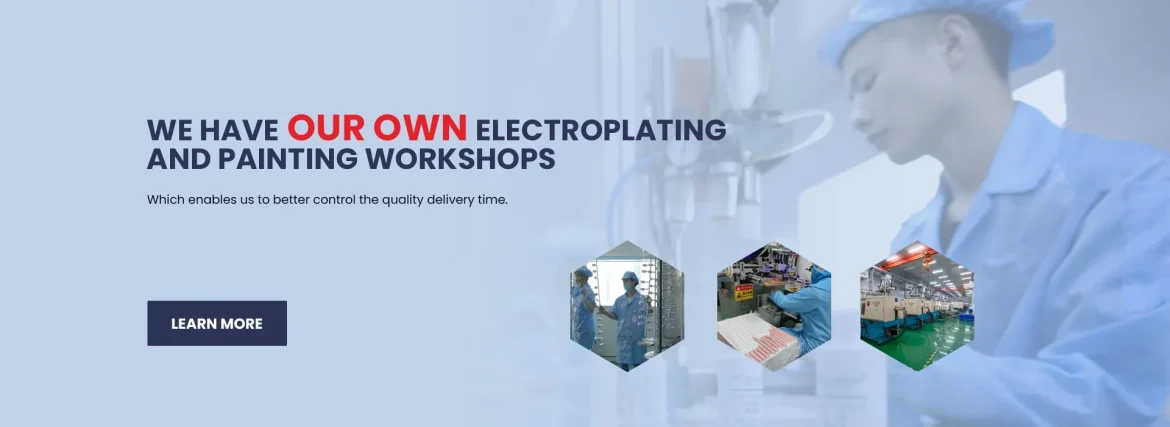
The fix starts with principles, not slogans. Compare two factories. One runs static molds, manual QC, and batch color matching. The other uses modular tooling with quick-change inserts, servo-driven hot runners, and digital twins of each cavity. The second factory places inline vision next to the press, links it to an MES, and adjusts process windows in small, safe moves. It also logs dye ratios, barrel temps, and cavity balance—per lot. Result: fewer surprises, tighter Cp/Cpk, and smoother scale. When UV-LED curing, water-based coatings, and vacuum metallization are tuned by data, gloss and barrier properties hold without extra passes—funny how that works, right?
Here’s the comparative edge in plain terms. Real-time SPC beats end-of-line sorting. Modular molds cut downtime on shade runs. AI colorimeters remove human drift in offset lithography and label print. And with serialized lot tracking, recalls shrink to hours, not weeks. Many china cosmetics packaging manufacturers already stitch these layers together, pairing low MOQs with predictable lead times. The future is not exotic. It is tight loops: design-to-tool, tool-to-line, line-to-report. When you see it, you can steer it.
To choose well, use three metrics that travel with you, factory to factory. One: OEE with a breakdown by changeover and micro-stops—this shows hidden waste. Two: LCA per SKU at the component level, including PCR percentages and energy per cycle. Three: the MOQ-to-lead-time ratio for your top five SKUs, tied to defect PPM and return rates. If a partner proves these numbers and sustains them, you will feel it in margin and trust. The lesson is simple but hard-earned: transparency beats heroics, and process beats promises. For teams ready to compare on evidence, not anecdotes, start there—with the data and the discipline it asks for from both sides. NAVI Packaging
