



The Promise vs. Reality at the Plug
Here’s the truth: drivers don’t want to wait. A power module for EV charger sits at the heart of that promise, yet the curbside experience still stalls. Picture a busy evening, four cars lined up, and only two bays delivering full power—meanwhile the dashboard shows 67% average port utilization across the city last month, but peak-time queues keep growing. Why? If the numbers look good, why does the line feel slow, and the charger feel hot? (And why does each minute feel longer than the last?) Bold question, simple aim: can smarter modules turn half-decent stats into real-world speed and safety—without tradeoffs? Let’s step into how the right design shifts the outcome, not just the spec sheet.
The Hidden Cost of Legacy Power Modules
What breaks in legacy topologies?
Legacy blocks look fine on paper. But stacked power converters push heat through a narrow path, and the isolation transformer often runs close to its thermal limit. That forces early derating. The DC link sags under step loads, ripple rises, and EMI margins shrink. When bays share a stressed bus, one car’s fast ramp can trip protection for all—funny how that works, right? Field teams then widen protection windows, which masks the real issue. You get fewer brownouts, yet slower charge curves. Look, it’s simpler than you think: weak transient response plus hot cores equals clamped performance.
The pain spreads to uptime. Aging modules drift off calibration, so firmware hunts for safe zones and leaves power on the table. Harmonic distortion creeps up during partial load, which annoys the grid and your SLA. Service crews swap boards more often, not because parts fail outright, but because SOA margins shrink in summer peaks. Add in jittery CAN bus mapping across mixed vendors, and you get ghost faults that cost hours. The result is a charger that claims 180 kW but delivers less when it matters. The fix is not more fans; it’s better energy control at the module—faster control loops, cooler silicon, saner topology.
Next-Gen Principles, Real-World Gains
What’s Next
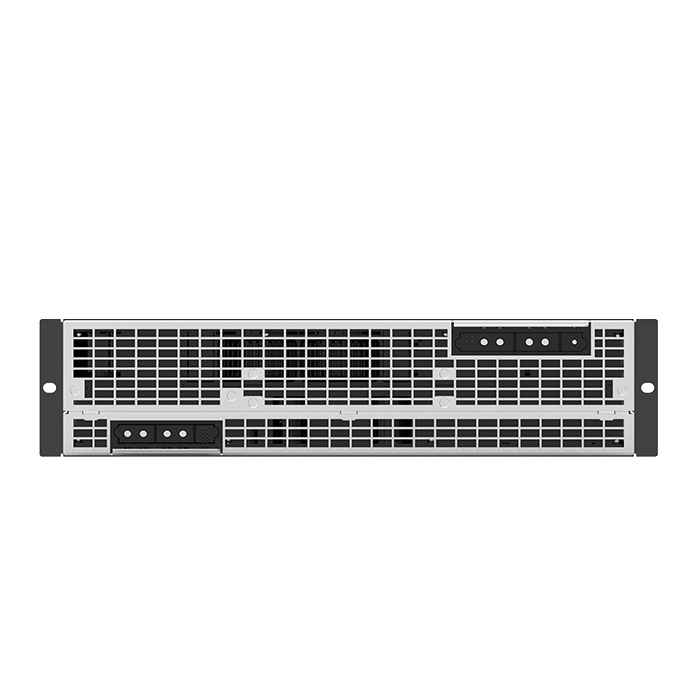
The shift is clear: go efficient at partial load, go fast on transients, and keep isolation robust. New designs lean on SiC MOSFETs, soft-switching stages, and smarter thermal paths. They hold the DC bus steady during step loads, cut switching losses, and keep EMI low. In practice, bays stop fighting each other, and session-to-session power stays predictable. A modern high-power isolated charging module shows how this plays out: tighter current control, lower ripple, and clean isolation that doesn’t fold under heat. The win is not just peak kW, but stable kW—through the noon rush and the midnight chill. And yes, that means fewer truck rolls—money saved, time saved.

Compare old versus new in three ways, then decide. First, measure efficiency at 20–40% load, not just at peak; that’s where urban sites live most days. Second, test step-response on real cars, not labs alone: ramp from 10% to 90% demand and watch the DC link hold. Third, audit thermal derating curves above 35°C ambient, with doors closed and filters dusty—because they will be. If a platform nails those, the rest follows: better uptime, gentler grid impact, calmer fans. And the user? They see a shorter stop and a steady curve—no drama. That is the practical edge of a strong module. Choose with those three metrics in mind, and the station stops feeling fragile. Advisory note closed—simple, but hard-won. For a grounded starting point, explore the same lineage behind this high-power isolated charging module and apply the checklist at your site (big city, windy coast, or desert edge). In the end, the best spec is the one that still holds in August—funny how that works, right? winline charger
