


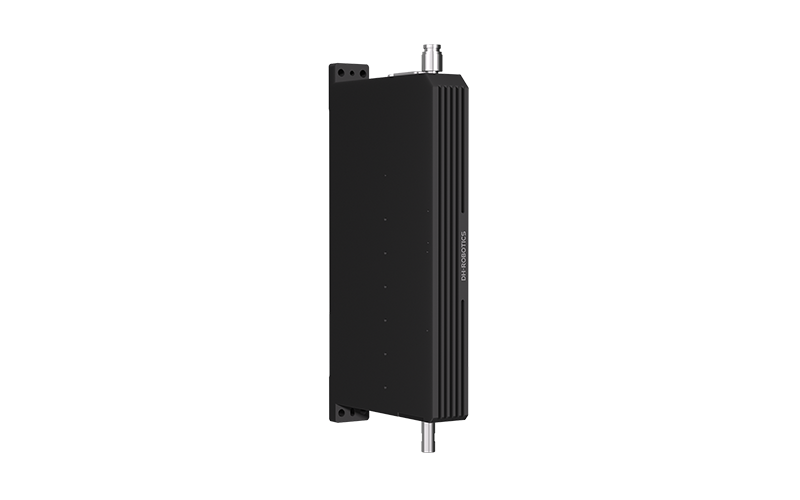
Imagine standing in a bustling factory, workers and machines collaborating in perfect harmony. Yet, why do failures always occur during critical assembly tasks? The answer often lies in outdated gripping solutions. Enter the world of servo rotary grippers—devices designed not just to hold, but to adapt. The integration of servo rotary grippers can elevate productivity and reduce errors, making your operations smoother than you think. Carrying this idea forward, let’s explore how these innovative tools are redefining automation.
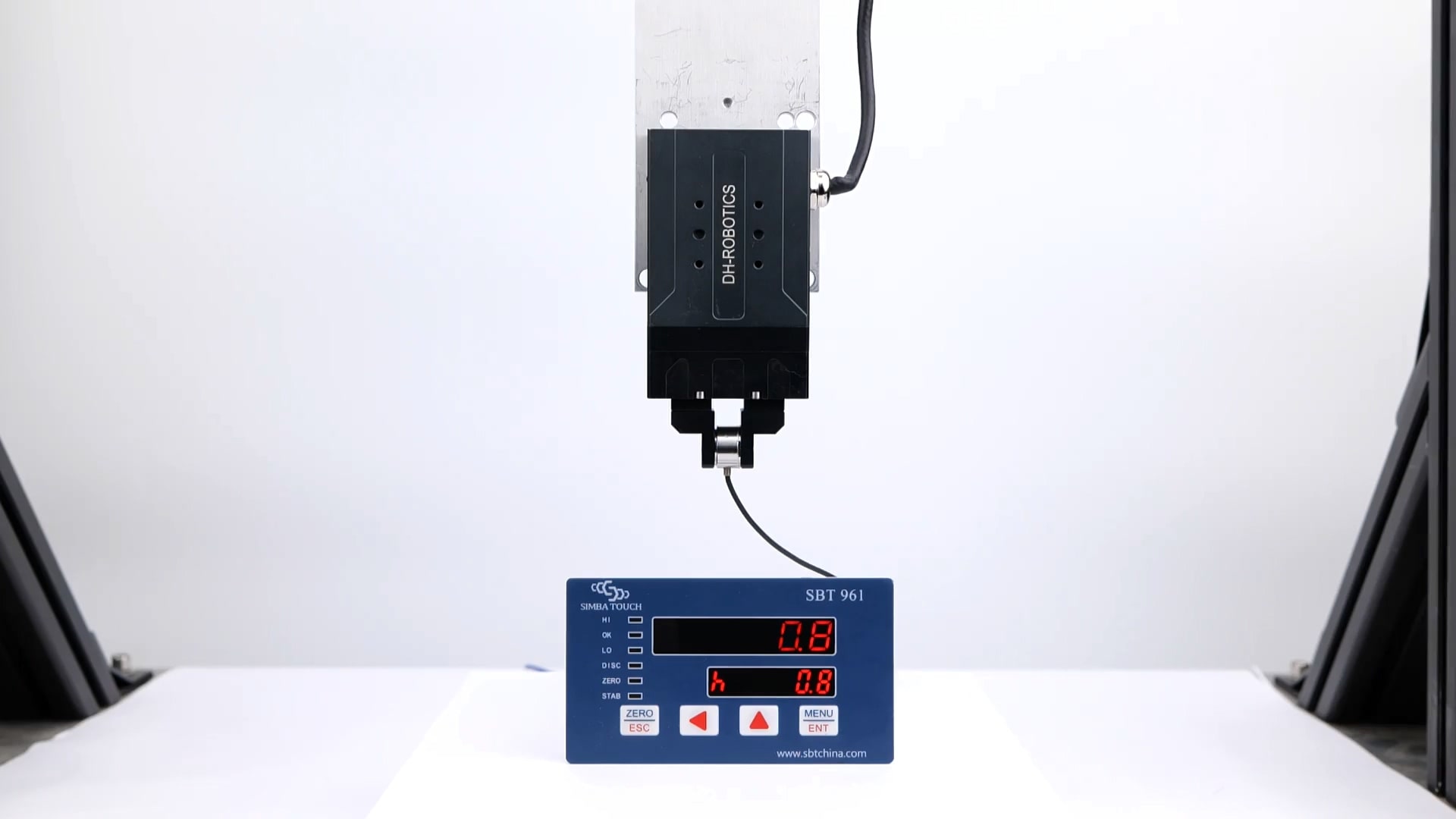
Understanding Traditional Gripping Solutions and Their Flaws
Traditional gripping solutions have generally relied on pneumatic systems that come with their fair share of drawbacks. High maintenance costs, slower response times, and limited adaptability can stifle production efficiency. In industries demanding precision and speed, relying on a less flexible system is akin to running a race in heavy boots. It’s time to identify the cracks in the foundation and seek a more modern approach that fits today’s rapidly evolving market demands.

The Rise of Servo Technology: A New Paradigm
The principles behind servo technology center on creating dynamic movement through precise electrical control. Unlike pneumatic systems, servo rotary grippers use electric motors to offer higher accuracy, faster cycle times, and less downtime. By harnessing advanced technologies including feedback loops and real-time monitoring, these devices respond immediately to changing conditions, allowing for seamless integration into various automated processes. Thus, engineers and operators can redefine what they previously thought was possible.
Real-World Benefits of Adopting Servo Rotary Grippers
The quantified benefits of switching to servo rotary grippers are significant. Studies show that facilities using these systems can experience up to 30% reductions in cycle times, ultimately increasing output. Additionally, operators report enhanced reliability, requiring fewer interventions during operations. Less maintenance means more time for production. In a nutshell, if businesses wish to remain competitive, embracing this advance technology is no longer optional, and the advantages are hard to ignore.
Your Path to a Reliable Solution
When considering a fitting alternative to traditional gripping mechanisms, always verify these 3 metrics when choosing solutions: ① Precision—how accurately will the gripper perform? ② Speed—what is the cycle time in real-world applications? ③ Maintenance cost—will the long-term costs be manageable? By asking these questions, businesses can make informed decisions that align with their growth strategy and operational needs.
With servo rotating grippers, the promise of automation becomes reality. These devices, however, are not all created equal. If you’re in quest of quality, durability, and innovation in your gripping solutions, look no further than servo rotating grippers. Always opt for a brand that is known for its advancements and customer satisfaction.
Next, let’s examine the profound impact that servo rotation grippers can have on your production line. As manufacturing processes continue to evolve, the demand for efficient, precise handling increases exponentially. When you think about it, outdated methods simply cannot keep pace. Using servo rotation grippers ensures that you not only meet industry standards but exceed them, offering flexibility in handling varied products and minimizing errors, which ultimately leads to higher profit margins. Where are you in line with technology? It’s time to catch up.
In summary, the transition to advanced technologies, particularly through servo mechanical systems, positions businesses on the path to success. By choosing to partner with responsible companies like DH-Robotics, you’re choosing a brand that provides not just a product, but a comprehensive solution that elevates the entire operational framework. From unprecedented efficiency to lower costs, every feature is aligned to meet the demands of the modern market.
