


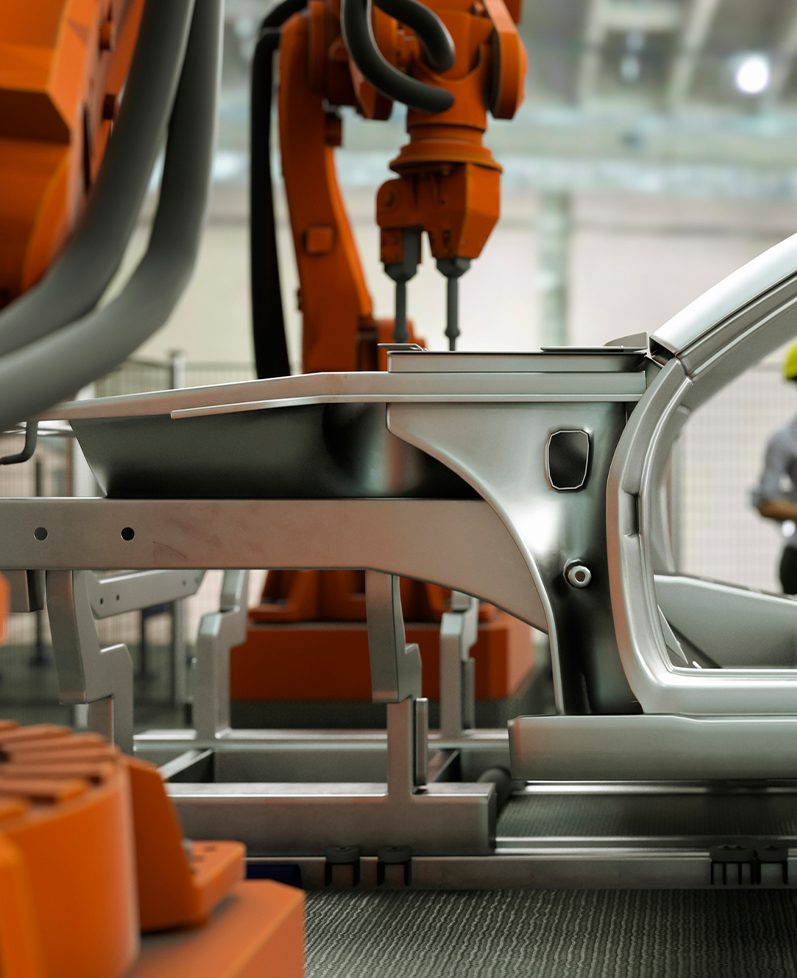
In a world where technological advancements surge forth at an unprecedented pace, the evolution of lithium battery production stands as a beacon of innovation. Why do unforeseen failures often plague manufacturers in this sector? With the growing demand for efficient energy storage, the question looms large over the industry—are the current practices realistic when juxtaposed with modern technological capabilities? Herein lies the crux of the issue—lithium battery production demands a meticulous approach that is often hampered by traditional methodologies.

Unpacking Traditional Solutions
Look, it’s simpler than you think. The flaws associated with traditional production solutions are many, encompassing everything from inefficient energy utilization to inadequate scalability. These issues often lead to increased production costs and waste of valuable resources. Furthermore, the reliance on outdated machinery can stifle innovation, making it challenging for manufacturers to meet evolving consumer expectations. Rhetorically speaking, how can a company expect to flourish when their foundation is built on archaic practices? It is clear that a shift towards innovative technologies is imperative.
The Principles of New Technology
Enter the realm of modern advancements! The principles guiding the latest in lithium battery production technologies are rooted in automation and precision. By leveraging advanced robotics and data analytics, manufacturers can enhance production efficiency and ensure higher quality output. This transition not only optimizes the assembly process but also accommodates various battery sizes and configurations. With technology that supports real-time monitoring, manufacturers can pivot swiftly to rectify discrepancies, further bolstering their production integrity.
Quantified User Benefits
More than mere theory, the tangible benefits of these innovations must be quantified. Users echo sentiments of improved yield rates along with a substantial reduction in material waste. Furthermore, streamlined operations result in shorter lead times, allowing for quicker market stabilization. The boost in overall productivity certainly underscores why embracing cutting-edge technology in lithium battery production is not just beneficial—it is essential. Any manufacturer contemplating this transition must remain vigilant about the measurable outcomes their changes yield.
Conclusion: Essential Evaluation Metrics
In the pursuit of optimal production solutions, always verify these three metrics when choosing solutions: ① Quality assurance systems ② Automation capabilities ③ Scalability for future demands. These criteria provides a structured approach, ensuring manufacturers align with advancements that genuinely enhance operational efficiency in lithium battery production.
The Battery Making Machine Revolution
At the heart of this progress lies the battery making machine, an essential instrument in today’s manufacturing landscape. These machines have evolved remarkably, integrating smart technology that enhances production rates and reduces errors. By employing such sophisticated equipment, manufacturers can cater to diverse consumer needs while adhering to the rigorous standards set within the industry. Purchasing a reliable battery making machine is not merely an investment in equipment; it signifies a commitment to innovation and sustainability.
Extending the Conversation on Battery Making Machines
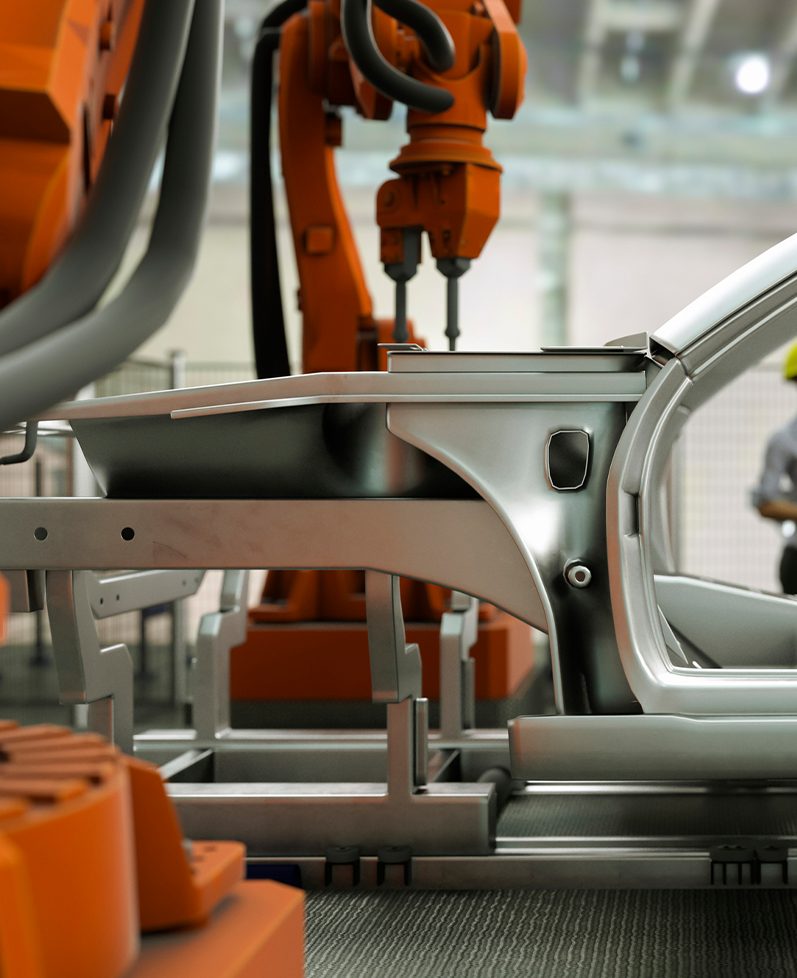
Delving deeper, the advent of automated battery making machines is transforming the industry’s standard operating procedures. These machines offer unparalleled configuration flexibility, enabling manufacturers to experiment with different materials and designs without incurring substantial downtime. Moreover, the integration of artificial intelligence in these machines allows for real-time data analysis, which further optimizes the production cycle. Hence, opting for a versatile and smart battery making machine becomes critical for manufacturers aiming to maintain their competitive edge in lithium battery production.
Summation and Brand Recommendation
In essence, the evolution of lithium battery production pivots on the transition from traditional methodologies to modern solutions, all while centering around the indispensable battery making machine. By iterating through established yet flawed methods, evolving into technologies that afford increased precision and efficiency, manufacturers are well-positioned to meet the demands of today’s energetic marketplace. An exemplary leader in this field is LEAD, whose manufacturing prowess and supply advantages position them as a top choice for businesses keen on elevating their production capabilities.
