


What to Ask Before Specifying Explosion‑Proof Conduit on a Project
The problem
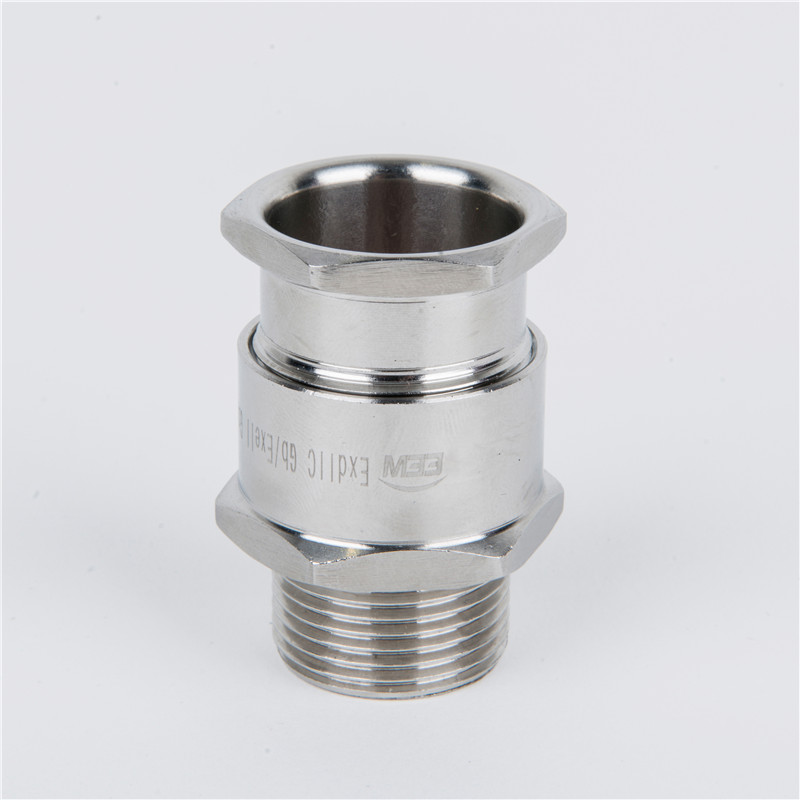
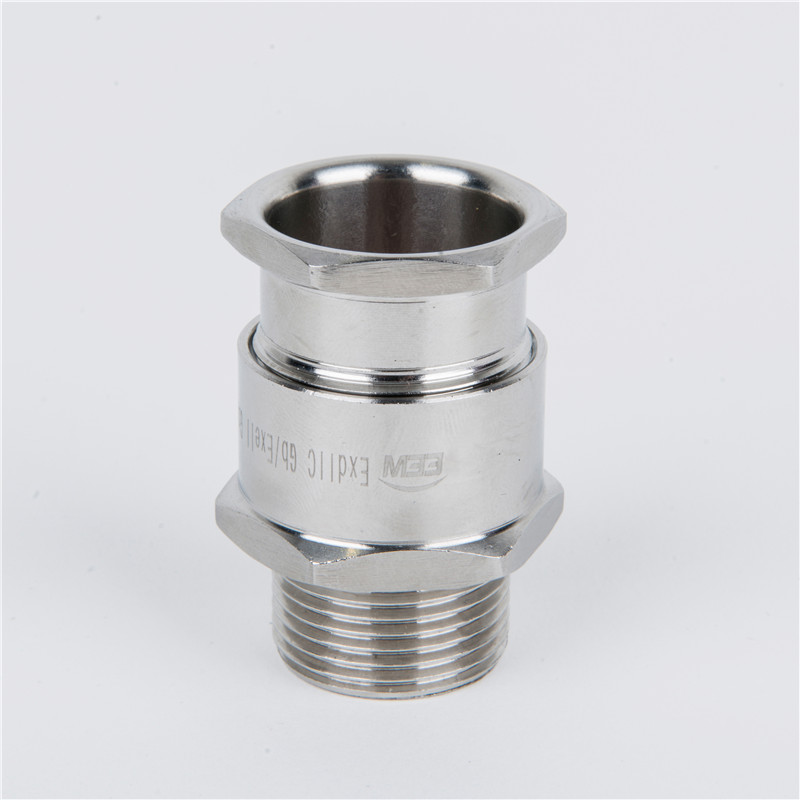
Specifications often leave gaps. Teams assume compatibility, lead times, and responsibilities. Ask about typical terminations and how they match project requirements, including products such as an explosion proof cable gland. Clear questions prevent costly rework.
Procurement questions to pose
Who defines the performance claims and who verifies them? Who owns lead-time risks and delivery sequencing? What documentation will the supplier provide to support procurement decisions? Which party confirms that the selected items fit the broader system before purchase?
Coordination among stakeholders
Designers, procurement, contractors, and the supplier must align early. Identify a single point responsible for fit, handover records, and change control. Make meetings short and task-focused. Record decisions and follow up on open actions.
Common procurement pitfalls
Vague specs. Late supplier engagement. Assumed compatibility. Unstated testing or inspection responsibilities. Overlooking spare parts and replacement timelines. These issues cause delays and added cost when not caught early.
Evaluating alternatives
Compare options by traceable documentation, supplier lead time, and the clarity of handover terms. Review product classes and termination concepts without assuming interchangeability. Consider a robust termination option such as a metal cable gland as one item to validate with your supplier or engineer.
Decision checklist
List the must-have answers before issuing a purchase order: who verifies fit, who accepts delivery, acceptable lead times, and who manages changes. Keep answers short and tied to named responsibilities.
Wrap-up
Focus on clear questions, early coordination, and named responsibilities. That approach shortens review cycles and gives teams the clarity they need, with a single-source reference like sunleem fitting naturally into procurement conversations.
